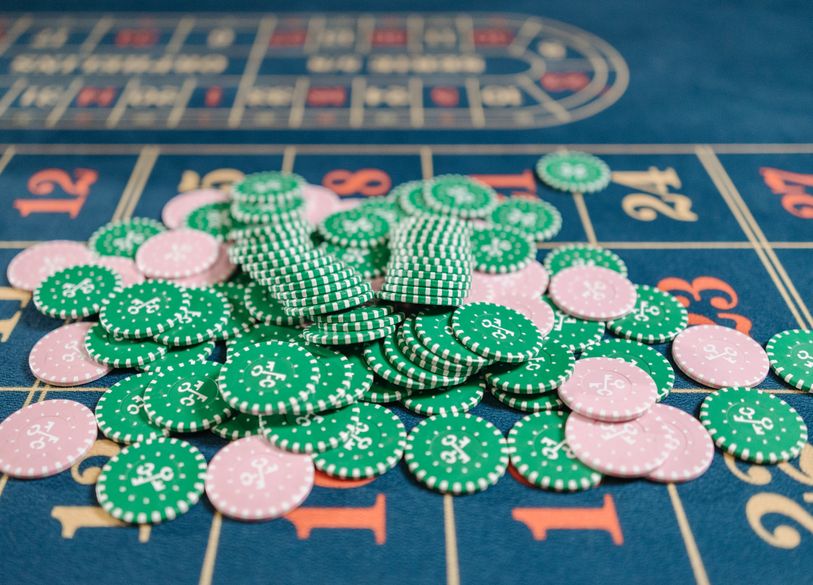
Sicurezza Mobile nei Casinò Online: Gioca Tranquillo e Insegui i Jackpot

Nel 2026 il gioco d’azzardo su dispositivi mobili è diventato la modalità preferita da milioni di giocatori in Italia. La libertà di scommettere dal proprio smartphone o tablet permette di seguire le proprie puntate anche in fila al caffè, durante il tragitto in metropolitana o comodamente dal divano. Tuttavia, la stessa praticità comporta la responsabilità di tutelare dati personali, fondi depositati e la continuità dell’esperienza di gioco.

Il panorama mobile è ricco di termini tecnici: RTP (Return to Player), KYC (Know Your Customer) e le varie forme di crittografia sono ormai parole d’ordine. Per capire meglio cosa significhi “RTP” e vedere come gli operatori lo presentano, è possibile dare un’occhiata a slots non AAMS, dove il concetto è spiegato in modo chiaro e senza giri di parole.

Questo articolo è pensato per chi si avvicina per la prima volta al mondo dei casinò mobile. Scopriremo le misure di sicurezza più importanti, capiremo perché sono fondamentali per proteggere i propri fondi e, soprattutto, vedremo come una buona sicurezza può influenzare le probabilità di aggiudicarsi i jackpot più alti.

Perché la sicurezza mobile è fondamentale per i nuovi giocatori

Giocare su un’app di casinò comporta l’inserimento di informazioni sensibili: dati anagrafici, numeri di carta, credenziali di accesso e, talvolta, persino documenti di identità. Un dispositivo vulnerabile può diventare la porta d’ingresso per truffatori che cercano di sottrarre denaro o di utilizzare il profilo per attività illecite.

Inoltre, la normativa italiana richiede che gli operatori mantengano alti standard di protezione per poter operare con licenza AAMS. I nuovi giocatori, spesso inesperti, tendono a scegliere il casinò più attraente per bonus o grafiche, ma trascurano di verificare le misure di sicurezza adottate. Un ambiente sicuro non solo tutela il patrimonio, ma garantisce anche che le vincite siano realmente accreditate senza interferenze esterne.

Un altro aspetto cruciale è la fiducia. Quando un giocatore percepisce che il proprio operatore è trasparente sulla crittografia, sul 2FA e sui protocolli KYC, è più propenso a investire tempo e denaro, aumentando così le opportunità di scoprire giochi con jackpot progressivi molto elevati.

Infine, la sicurezza influisce direttamente sul gioco responsabile: un’app che segnala attività sospette o che blocca transazioni non autorizzate aiuta il giocatore a mantenere il controllo delle proprie spese, evitando dipendenze eccessive.

Crittografia end‑to‑end: come funziona sui casinò per smartphone

La crittografia end‑to‑end (E2EE) è il metodo più affidabile per proteggere i dati in transito tra il dispositivo mobile e i server del casinò. In pratica, le informazioni vengono trasformate in un codice incomprensibile grazie a chiavi di cifratura che solo il client (l’app) e il server conoscono. Anche se un hacker intercettasse il traffico, i dati rimarrebbero illeggibili.

I casinò più avanzati utilizzano lo standard TLS 1.3, che riduce i tempi di handshake e migliora la resistenza contro attacchi di tipo “man‑in‑the‑middle”. Alcuni operatori, inoltre, adottano la cifratura AES‑256 per la memorizzazione dei dati sensibili nei loro database. Questo livello di protezione è comparabile a quello delle banche online e garantisce che le credenziali di accesso e le transazioni finanziarie siano al sicuro.

Ecco una rapida panoramica delle caratteristiche tecniche più comuni:

Tecnologia Livello di sicurezza Uso tipico nei casinò mobile
TLS 1.3 Molto alto Comunicazione client‑server
AES‑256 Molto alto Crittografia dati a riposo
RSA‑4096 Alto Scambio di chiavi di sessione
SHA‑256 Alto Verifica integrità messaggi

Molti operatori pubblicano certificati SSL sul proprio sito web; basta cliccare sull’icona del lucchetto per verificare la validità. In caso di dubbi, è consigliabile controllare la data di scadenza del certificato e assicurarsi che l’emittente sia una autorità riconosciuta, ad esempio DigiCert o GlobalSign.

Autenticazione a due fattori (2FA) e il suo impatto sul gioco responsabile

Il 2FA aggiunge un ulteriore livello di protezione richiedendo due elementi distinti per confermare l’identità dell’utente: qualcosa che conosce (password) e qualcosa che possiede (codice temporaneo, token hardware o notifica push). Nei casinò mobile più affidabili, l’attivazione del 2FA è opzionale ma fortemente consigliata, soprattutto per i giocatori con saldo elevato o bonus attivi.

Il beneficio più immediato è la riduzione delle frodi: anche se la password viene rubata, l’attaccante non potrà completare il login senza il secondo fattore. Inoltre, il 2FA funge da deterrente contro l’uso non autorizzato del conto, incoraggiando il giocatore a monitorare le proprie attività.

Dal punto di vista del gioco responsabile, il 2FA può essere integrato con limiti di deposito giornalieri. Alcuni operatori consentono di impostare una soglia massima che richiede una conferma aggiuntiva ogni volta che viene superata. Questo meccanismo aiuta a prevenire spese impulsive e a mantenere il controllo del bankroll.

Passi per attivare il 2FA:

  1. Accedi al profilo dell’app e seleziona “Sicurezza”.
  2. Scegli il metodo preferito (SMS, app Authenticator, email).
  3. Inserisci il codice ricevuto e conferma.
  4. Salva le impostazioni e verifica che le notifiche funzionino correttamente.

Verifica dell’identità (KYC) – cosa richiedono i casinò e perché è importante

Il KYC è obbligatorio per tutti i casinò licenziati in Italia. Consiste nella raccolta di documenti che attestino l’identità, l’età e la residenza del giocatore. Gli operatori più seri richiedono:

  • Carta d’identità o passaporto (foto fronte/retro).
  • Prova di residenza (bolletta, estratto conto).
  • Documenti di verifica del metodo di pagamento (carta di credito, estratto conto bancario).

Questa procedura serve a prevenire il riciclaggio di denaro, l’accesso di minori e le frodi con carte rubate. Dal punto di vista del giocatore, completare il KYC significa poter prelevare le vincite senza ritardi, accedere a bonus più generosi e partecipare a tornei con jackpot elevati.

Alcuni casinò hanno ottimizzato il processo con sistemi di riconoscimento ottico dei documenti (OCR) e videochiamate in tempo reale, riducendo i tempi di approvazione da giorni a poche ore. Tuttavia, è fondamentale inviare copie chiare e leggibili; documenti sfocati o incompleti possono causare rifiuti e ritardi.

Software anti‑malware e protezione del dispositivo: consigli pratici

Un dispositivo infetto rappresenta il primo punto di vulnerabilità per il giocatore mobile. Ecco alcune linee guida per mantenere lo smartphone o il tablet al sicuro:

  • Installa un’app anti‑malware riconosciuta (es. Bitdefender, Avast Mobile).
  • Aggiorna regolarmente il sistema operativo e le app di gioco; le patch correggono falle di sicurezza note.
  • Evita di scaricare APK da fonti non ufficiali; utilizza solo gli store Google Play o Apple App Store.
  • Disabilita le impostazioni “Origini sconosciute” e attiva la verifica delle app prima dell’installazione.

Un caso reale: nel 2025 è stato scoperto un malware denominato “JackpotSpy” che intercettava le credenziali di login nei casinò non AAMS. Gli utenti che avevano installato un’app di sicurezza hanno ricevuto avvisi tempestivi, evitando il furto di fondi.

Aggiornamenti di sistema e delle app: il ruolo della compatibilità con i jackpot live

Le versioni più recenti dei sistemi operativi (Android 15, iOS 18) introducono miglioramenti nella gestione della memoria, nella crittografia hardware e nella protezione delle API di pagamento. Per i giochi live con jackpot progressivi, la compatibilità è cruciale: un’app non aggiornata può subire lag, disconnessioni o incompatibilità con i feed video ad alta definizione.

Gli operatori più affidabili rilasciano aggiornamenti mensili che includono:

  • Ottimizzazioni del rendering 3D per slot come “Mega Fortune”.
  • Correzioni di bug che influenzano la generazione casuale dei numeri (RNG).
  • Nuove funzioni di sicurezza, ad esempio il blocco automatico dell’account dopo più tentativi falliti di login.

Per verificare se l’app è all’ultima versione, apri il menu “Impostazioni → Aggiornamenti” e confronta il numero di versione con quello indicato nello store. In caso di discrepanze, disinstalla e reinstalla l’app per garantire un’installazione pulita.

Riconoscere i casinò certificati: licenze AAMS e certificazioni internazionali

Una licenza AAMS (ADM) è il segno distintivo della conformità alle normative italiane: protezione dei giocatori, trasparenza dei pagamenti e rispetto delle regole di gioco responsabile. Oltre alla licenza nazionale, molti operatori ottengono certificazioni internazionali come eCOGRA, iTech Labs o Gaming Laboratories International (GLI).

Certificazione Cosa verifica Impatto per il giocatore
AAMS (ADM) Conformità legale italiana Protezione legale, risarcimento in caso di problemi
eCOGRA Fairness RNG, sicurezza Garanzia che le slot siano realmente casuali
iTech Labs Test di vulnerabilità, audit Minore rischio di manipolazioni software
GLI Compatibilità su più piattaforme Esperienza stabile su Android e iOS

I “nuovi casino non AAMS” spesso operano sotto licenze di Curaçao o Malta. Sebbene possano offrire bonus più elevati, la protezione legale è più limitata. Il sito Stopborderviolence elenca diversi operatori non AAMS, consentendo ai lettori di confrontare rapidamente le differenze tra le licenze.

Metodi di pagamento sicuri su mobile: wallet digitali, carte e criptovalute

Il panorama dei pagamenti mobile è ampio e in costante evoluzione. I metodi più sicuri includono:

  • Wallet digitali (Apple Pay, Google Pay): sfruttano tokenizzazione, sostituendo i dati della carta con un codice univoco per ogni transazione.
  • Carte prepagate (Postepay, Skrill Prepaid): non collegano direttamente il conto bancario, riducendo il rischio di frodi.
  • Criptovalute (Bitcoin, Ethereum): le transazioni sono registrate su blockchain, garantendo trasparenza, ma richiedono attenzione alle fluttuazioni di valore.

Per i jackpot live, è consigliabile utilizzare un metodo che consenta prelievi rapidi, come i wallet digitali, perché le vincite possono arrivare in pochi minuti. Tuttavia, alcuni operatori impongono limiti di prelievo su wallet e criptovalute per motivi di compliance KYC.

Come la sicurezza influisce sulle probabilità di vincere i jackpot più grandi

Sembra controintuitivo, ma una solida sicurezza può aumentare le chance di colpire il jackpot. Quando il server è protetto da crittografia avanzata e da audit RNG certificati, il generatore di numeri casuali opera senza interferenze esterne, garantendo che le percentuali di vincita (RTP) siano quelle dichiarate.

In un ambiente vulnerabile, i cyber‑criminali potrebbero manipolare le comunicazioni e alterare i risultati, riducendo le probabilità di vincita per i giocatori onesti. Inoltre, i casinò che investono in 2FA e KYC tendono a offrire jackpot più alti, poiché hanno meno rischi di frodi e quindi possono destinare una quota maggiore del margine al premio.

Suggerimenti per giocare in modo sicuro e massimizzare le chance di jackpot

  • Scegli solo operatori con licenza AAMS e, se possibile, certificazioni eCOGRA o iTech Labs.
  • Attiva il 2FA su tutti gli account e utilizza un’app authenticator anziché l’SMS, più vulnerabile.
  • Mantieni il dispositivo aggiornato: installa le ultime patch di sicurezza e le versioni più recenti delle app di casinò.
  • Utilizza wallet digitali per depositi e prelievi, riducendo l’esposizione dei dati della carta.
  • Completa il KYC subito dopo la registrazione per evitare blocchi al momento del prelievo del jackpot.
  • Installa un anti‑malware e fai scansioni periodiche, specialmente dopo l’installazione di nuove app.
  • Imposta limiti di deposito e verifica le notifiche di attività sospette, sfruttando le funzioni di gioco responsabile offerte dall’app.
  • Controlla la percentuale RTP delle slot con jackpot progressivi; giochi con RTP superiore al 96% offrono un valore atteso migliore.
  • Partecipa a tornei live solo quando la connessione è stabile e il dispositivo è completamente carico, per evitare disconnessioni che annullerebbero la puntata.

Seguendo questi passaggi, non solo proteggerai il tuo capitale, ma potrai anche godere di un’esperienza di gioco più trasparente e, possibilmente, di vincite più consistenti.

Conclusione

La sicurezza mobile non è un optional ma una condizione imprescindibile per chi desidera giocare con serenità e puntare ai jackpot più ambiti. Dalla crittografia end‑to‑end al 2FA, dal KYC alle certificazioni internazionali, ogni livello di protezione contribuisce a creare un ecosistema affidabile, dove le probabilità di vincita riflettono davvero le percentuali dichiarate.

Investire tempo nella scelta di un operatore certificato, mantenere aggiornato il proprio dispositivo e adottare buone pratiche di pagamento sono le chiavi per trasformare il divertimento in una reale opportunità di profitto. Con le giuste precauzioni, il prossimo jackpot potrebbe essere a portata di click, senza dover temere intrusioni o frodi. Buon gioco e ricorda: la sicurezza è la tua migliore alleata sul tavolo delle scommesse.

Jakie są wymagania dotyczące bonusów w Glorion Casino?

Glorion Casino to nowoczesna platforma gamingowa, która wyróżnia się dużym wyborem gier i atrakcyjnymi bonusami dla swoich graczy. Na glorion casino można znaleźć wiele różnorodnych ofert promocyjnych, które przyciągają zarówno nowych, jak i doświadczonych graczy. W artykule przedstawione zostaną szczegółowe wymagania dotyczące bonusów, aby pomóc graczom lepiej zrozumieć zasady korzystania z dostępnych ofert.

Rodzaje bonusów w Glorion Casino

Glorion Casino oferuje różnorodne typy bonusów, które umożliwiają graczom zwiększenie swoich szans na wygraną. Poniżej przedstawiono kilka głównych rodzajów bonusów dostępnych na platformie:

  • Bonius powitalny – oferowany nowym graczom przy pierwszym depozycie.
  • Dodatkowe rundy darmowe – przyznawane za konkretne gry lub jako część promocji.
  • Bonius od depozytu – oferowany przy kolejnych wpłatach funduszy.
  • Bonius lojalnościowy – dostępny dla regularnych graczy, nagradzający za częste granie.
  • Bonius polecający – przyznawany graczom, którzy zapraszają innych do gry na tej platformie.

Wymagania dotyczące odgrywania bonusów

Każdy bonus w Glorion Casino wiąże się z określonymi wymaganiami dotyczącymi odgrywania, które gracze muszą spełnić, aby móc wypłacić uzyskane środki. Zwykle obejmują one:

Rodzaj bonusu Wymaganie obrotu Czas na realizację
Bonus powitalny 30x 30 dni
Darmowe rundy 15x 14 dni
Bonius lojalnościowy 25x 60 dni

Warto zaznaczyć, że stawki zakładów lub rodzaje gier mogą wpływać na postęp w realizacji wymagań dotyczących obrotu. Niektóre gry mogą przyczyniać się w mniejszym stopniu do obliczania wymagań obrotowych.

Jak skorzystać z bonusów?

Aby skorzystać z bonusów w Glorion Casino, gracze muszą postępować zgodnie z poniższymi krokami:

  1. Zarejestruj się na platformie, wypełniając formularz rejestracyjny.
  2. Dokonaj pierwszego depozytu, aby aktywować bonus powitalny.
  3. Zapoznaj się z warunkami bonusów, aby zrozumieć, jak działają wymagania dotyczące odgrywania.
  4. Graj w wybrane gry, aby zrealizować wymagania obrotowe.
  5. Wypłać środki po spełnieniu warunków niezbędnych do realizacji bonusu.

FAQ dotyczące bonusów w Glorion Casino

Jakie są ogólne warunki korzystania z bonusów?
Bonusy mogą być aktywowane tylko po spełnieniu określonych wymagań, które są szczegółowo opisane w regulaminie casino.

Czy istnieją ograniczenia co do gier bonusowych?
Tak, niektóre gry mogą nie przyczyniać się do realizacji wymagań obrotowych, co należy sprawdzić na stronie promocji.

Jak długo muszę czekać na zatwierdzenie bonusu?
W większości przypadków bonusy są przyznawane natychmiast, ale czasami może być wymagane dodatkowe weryfikacja konta.

Trezor Suite for Ransomware Victims: Recovering Cryptocurrency After System Compromise

A ransomware infection, data breach, or targeted malware attack often leaves victims facing an immediate question: are cryptocurrency holdings still secure? If private keys were stored on the compromised device, exposure is direct and urgent. But if those keys are held in a hardware wallet—a separate device that signs transactions without exposing secrets to the infected machine—the situation is materially different. Trezor Suite, the official management application for Trezor hardware wallets, provides a way to assess the damage, verify that funds remain protected, and execute a recovery plan without trusting the compromised system.

The critical insight is that compromise of a desktop or mobile operating system does not automatically mean loss of cryptocurrency. A hardware wallet’s design deliberately separates key storage and transaction signing from the internet-connected device where Trezor Suite runs. The infected computer can see account balances and transaction history, but it cannot extract private keys or forge transactions without the physical device’s participation. Understanding this boundary—and knowing how to use it—can mean the difference between panic and a structured recovery process.

Trezor hardware wallet connected to a desktop computer displaying account balances and transaction history through Trezor Suite

Why hardware separation matters after system compromise

Malware that gains administrative access to a computer can monitor keystrokes, capture clipboard contents, intercept network traffic, and read files. If a user’s cryptocurrency wallet software held private keys in unencrypted memory or in an encrypted file on disk, extraction would be possible. Ransomware operators and advanced attackers specifically target cryptocurrency wallets for this reason: the keys, once stolen, can be used to transfer funds immediately and irreversibly.

A hardware wallet breaks this chain by refusing to store private keys on the host device at all. When Trezor Suite needs to sign a transaction—to prove ownership and authorize a transfer—it sends the unsigned transaction to the Trezor device. The device performs the signing operation internally, using its own isolated processor and storage, then returns only the signature. The infected computer never receives or processes the actual private key. This is cold storage in the most practical sense: the secrets remain on a device that cannot be remotely compromised through the network or the operating system.

The Trezor device itself is also designed to resist physical attack and tampering. Its firmware is open-source and verifiable, its display shows transaction details directly on the device so a user can confirm them independent of the host computer, and its PIN protection means that casual access does not expose anything. Even if an attacker obtained the physical device, extracting the keys would require either the correct PIN (which the device can rate-limit and eventually lock after repeated failures) or sophisticated physical attacks that are impractical in most scenarios.

After a ransomware infection, this design becomes immediately relevant. The victim can connect the Trezor device to a clean computer or even to the same infected machine, because the device’s security does not depend on the safety of the host. Trezor Suite will display the accounts and balances associated with that device, but no malware running on that computer can intercept or misuse the private keys, because they never leave the hardware wallet.

Assessing the scope of exposure after infection

The first step after discovering a ransomware infection is isolation and assessment. Disconnect the infected device from the network immediately if you have not already done so, and power it down if you suspect active malware. Then, acquire a clean device—preferably one that was not on the same network during the infection period, though a freshly booted live USB on the infected hardware can also work in most cases.

Before connecting any Trezor device to any computer, ask what other data or accounts may have been compromised. If the same infection exposed email credentials, the attacker may have access to exchange accounts, cryptocurrency purchase history, or recovery information. If banking details were stolen, immediate action with your financial institution is appropriate. Cryptocurrency recovery should not begin in isolation; it should be part of a broader containment and notification process.

Once you have a clean environment and access to a Trezor device, download Trezor Suite only from the official Trezor domain. The application is free and available for Windows, macOS, Linux, Android, and iOS. Verify the download source carefully: fraudulent mirrors and malicious packages exist. Install the application, connect the Trezor device, and authenticate with its PIN if one is set. The Suite will then display all accounts and balances associated with that device.

At this point, examine what you see. The balance shown should match your expectation (or be explainable if you have forgotten recent activity). If the balance is lower than expected, funds may have been moved. If the balance is intact, your private key storage and cold storage design have protected your assets. The display on the Trezor device itself provides a second confirmation: it shows the device’s identity and key material fingerprint, which you can use to verify that you are interacting with your actual hardware wallet and not a counterfeit or substituted device.

Verifying the device identity and transaction history

Trezor Suite displays transaction history for each account, showing amounts, dates, and addresses. This history is derived from the blockchain itself and cached by the application for convenience. Review this carefully to identify any transactions you did not authorize. If unauthorized transactions are present, your private keys were likely compromised at some point, either through the infected machine or through a prior breach of the system.

The device’s physical display is your guarantee that you are communicating with the correct hardware wallet. On first use or after concern about substitution, confirm the device’s identity through its recovery seed, though this is an advanced step and not normally necessary for routine operations. The simpler verification is to observe the device’s display when you sign a test transaction: the Trezor will show you the destination address, amount, and fee on its screen. If an attacker had substituted a fake device, they could not replicate this display without possessing the correct private keys, and they could not sign transactions that would succeed on the blockchain.

If the displayed balance is intact but recent transactions show unauthorized activity, it is possible that funds were moved and then returned, or that the history reflects activity from an earlier compromise. Either way, the present state is what matters for recovery. Your private keys remain secure in the hardware wallet. The infected computer or the attacker cannot access them going forward.

Keep a record of what Trezor Suite shows at this moment—screenshots, a text export, or simply a careful note. This becomes evidence of your baseline position. If you have backup documentation (a written recovery seed, hardware backups, or seed phrases stored offline), verify that this device’s accounts match. Do not enter or expose the recovery seed unless absolutely necessary, and only in a clean environment disconnected from all networks.

Planning and executing a secure fund transfer

Once you have confirmed that your funds are intact, the next decision is whether to move them. If the infected computer had access to your Trezor device through a USB port, malware could theoretically observe transactions you sign and potentially interfere with transaction confirmation (though the Trezor’s display protects against this by showing the real destination). For maximum confidence after any system compromise, moving funds to a new address—preferably one generated on a fresh hardware wallet or on a clean machine—eliminates the risk that the old address has been compromised in ways you cannot detect.

Create a destination address on a separate, uncompromised Trezor device or on a fresh hardware wallet from a different manufacturer. Download the recovery information for that new device and store it securely offline. Then, in Trezor Suite, create a transaction sending your balance to this new address. Before confirming, review the destination on the Trezor’s display. The hardware wallet will show you the receiving address: confirm that it matches the one you prepared on the new device. Do not approve the transaction unless you are certain the destination is correct.

Network fees are an important consideration. You will incur transaction fees to move the funds, and these costs are real and irreversible. For a one-time recovery transfer, slightly higher fees may be justified to ensure the transaction confirms quickly. However, do not authorize excessive fees simply because you are anxious. Check the fee estimate in Trezor Suite, calculate the final amount you will receive, and ensure you are comfortable with it before signing on the device.

After you sign the transaction on the Trezor device, it broadcasts to the network. You will see a transaction ID in Trezor Suite and can track confirmation on a block explorer. The time to confirmation depends on network congestion and the fee you selected. For Bitcoin, a moderate fee usually confirms within minutes to hours; for Ethereum and other networks, confirmation is typically much faster. Do not move the funds again or take any other action until the transaction has at least one confirmation on the blockchain, visible both in Trezor Suite and on an independent block explorer.

Rebuilding your security posture after recovery

Once the recovery transfer is complete and confirmed, you have moved your funds out of the potential exposure zone. But a secure wallet is only the beginning of security. You now need to address the root cause: how the system was compromised in the first place.

Install updated antivirus and antimalware tools on the infected computer, or consider a complete operating system reinstall if the infection was sophisticated. Update all software, enable automatic security updates, and review what software is running with administrative privileges. If you used the same password for multiple accounts, change them, especially for email and exchange accounts. Enable two-factor authentication on any accounts that hold or manage cryptocurrency. Review bank accounts and credit reports for unauthorized activity.

For cryptocurrency specifically, update your security practices. If you previously stored private keys directly on a computer or phone, that approach has now failed. A hardware wallet provides malware protection that an internet-connected device cannot offer. If you do not already own a Trezor device or equivalent hardware wallet, acquire one from an official source and transfer your cryptocurrency there. Keep the recovery seed in a secure offline location: write it on paper, store it in a fireproof box, and consider keeping a backup in a separate physical location.

Do not download Trezor Suite or any other wallet software from unofficial sources, mirror sites, or third-party app stores that you cannot verify. The official source is the Trezor website, and you can verify the download’s authenticity by checking the file hash if you are technically comfortable doing so. Many victims who recover from one compromise are caught by a counterfeit version of recovery software, so caution about the installation source is especially important during the vulnerable period after an attack.

Understanding what Trezor Suite cannot do

Trezor Suite is a management interface, not a guarantee of immunity. It helps you monitor accounts, prepare transactions, and manage multiple cryptocurrencies and NFTs in one application. It provides optional integration with third-party services for buying, selling, and staking. But the application itself does not create your security; the Trezor hardware wallet does. If you use Trezor Suite on a fully compromised system and that system’s malware can intercept what you type—for example, a destination address you manually enter—the hardware wallet cannot prevent you from sending funds to the wrong place. The device will show you the destination, but the decision to approve is yours.

Similarly, Trezor Suite cannot protect you against social engineering. If an attacker convinces you to enter your recovery seed into a fake application, or to connect your device to their computer, they can potentially access your funds. The application’s security is only as strong as your judgment about when and where to use it. After a ransomware infection, that judgment is necessarily cautious: use Trezor Suite on a demonstrably clean machine, verify every destination address independently, and treat your recovery seed as if its exposure is the single most valuable thing an attacker could obtain.

The separation between software and hardware is powerful, but it is not magic. It protects your private keys from malware and network compromise. It does not protect them from physical theft of the device itself, from loss or destruction of the recovery seed, from careless sharing of account information, or from mistakes you make while operating the software. Security after a breach is therefore cryptocurrency management as a discipline: careful, methodical, and unrushed.

Practical recovery checklist for ransomware victims

If you have experienced a ransomware or malware infection and need to secure your cryptocurrency holdings, follow this sequence. First, isolate the infected device and acquire a clean system. Second, download Trezor Suite only from the official Trezor domain—you can download it from sites.google.com/mywalletcryptous.com/trezor-suite-download or directly from Trezor’s official website after verifying the domain in your browser. Third, install the application and connect your Trezor hardware wallet using its USB or Bluetooth connection.

Fourth, authenticate with your PIN and review the displayed account balance and transaction history. Verify that the balance matches your expectation and that any recent transactions are ones you authorized. Fifth, if the balance is intact and you want to move the funds to a new address (highly recommended after any compromise), prepare a destination address on a separate, uncompromised device. Sixth, create a transfer transaction in Trezor Suite, review the destination address on the Trezor’s display, and confirm the signing on the hardware device itself.

Seventh, wait for the transaction to confirm on the blockchain. Eighth, immediately begin remediating the infected computer: reinstall the operating system if possible, update all software, change all passwords, and review financial and exchange accounts for unauthorized access. Ninth, acquire and configure a new hardware wallet if you do not have one, transfer any remaining funds to it, and store the recovery seed securely offline. Tenth, continue monitoring your accounts and maintain regular security practices going forward.

What happens next: ongoing security after recovery

The recovery process is not the end of the security challenge; it is the beginning of a different phase. You now have access to your funds again and they are safe in a hardware wallet. But you must prevent a repeat of the original compromise. This means treating your computer differently than before: more defensively, with fewer installed applications, more frequent backups, and a clearer separation between routine browsing and sensitive operations.

Consider dedicating a specific device or a virtual machine solely to cryptocurrency operations. Keep that device offline except when necessary. When you need to use Trezor Suite, do so on the cleanest environment available. Never enter your recovery seed into any software unless you have reason to believe the hardware wallet is lost or destroyed and you need to recover it on a different device. Even then, do so only on an offline machine or a fresh operating system installation that you can verify has not been compromised.

Stay informed about security updates for Trezor firmware and Trezor Suite software. Both receive regular updates that address discovered vulnerabilities. The Trezor device’s firmware can be updated through Trezor Suite, and you should perform updates when they are released. Verify firmware updates through the official Trezor website before applying them, and be cautious of any firmware update notification that comes from outside the official channel.

Finally, consider your recovery strategy for the recovery seed itself. If the seed is stored only in one location and that location is lost to fire, flood, or theft, you have lost access to your funds. If it is stored in multiple locations, the risk of loss decreases but the risk of exposure increases. A reasonable compromise is to store one copy in a secure physical location such as a safe deposit box, and to retain one copy in encrypted form at home. Test your recovery procedure at least once, in a controlled environment, to ensure you can actually restore access if needed.

Frequently asked questions

Can malware on my computer steal my cryptocurrency if I use a Trezor hardware wallet?

Malware cannot steal cryptocurrency held in a Trezor hardware wallet because the private keys are stored on the device itself, not on the infected computer. The hardware wallet signs transactions internally and returns only the signature; the private keys never leave the device. However, malware could potentially trick you into sending funds to the wrong address, so always verify the destination on the Trezor’s display before confirming any transaction.

After a ransomware infection, should I move my cryptocurrency to a new address?

If your Trezor device was connected to the infected computer during the compromise, moving your funds to a new address is a prudent measure. This eliminates any theoretical possibility that malware observed your addresses or transactions in a way that could be exploited later. Create a destination address on a separate, uncompromised device, then use Trezor Suite to transfer the funds. Verify the destination address on the Trezor’s display before approving the transaction.

Where should I download Trezor Suite to ensure it is legitimate?

Download Trezor Suite only from the official Trezor website or from officially verified sources. Verify the domain carefully in your browser address bar before downloading. Fraudulent copies of wallet software exist and can compromise your security if you download from an untrusted mirror or third-party app store. If you are uncertain about the download source, navigate to the Trezor official website directly and download from there.

www darknet ru

ddna

Даркнет маркетплейсы: суть и принципы работы теневых площадок

Запускайте теневые платформы исключительно через Tor или I2P-сети, потому что эти платформы существуют в закрытых сетях, и не попадают в выдачу Google, Яндекса и прочих поисковиков. Darknet-площадка является рынком в анонимном сегменте сети, в рамках которой сделки оплачиваются приватными монетами, в основном посредством Monero, дабы исключить мониторинг денежных переводов блокчейн-аналитиками.

ddna

Архитектура защиты и принципы сохранения анонимности на маркете

Главным инструментом безопасности операций служит система эскроу: сумма сделки закрепляется на транзитном счету системы и отправляются торговцу лишь по факту успешного получения заказа. Для гарантии приватности на подобных площадках обязательно задействовать шифрование PGP во время передачи реквизитов и адресов, чтобы исключить перехват информации администрацией площадки или третьими лицами.

Базой для работы теневых площадок служит технология Tor или I2P, которые скрывают реальные IP-адреса сервера и пользователей, за счёт сложного шифрования и каскада транзитных серверов.

С целью устранения прямых расчётов задействуется гарант-сервис. Оплата резервируется на кошельках платформы пока заказчик не подтвердит успешное получение. Такой механизм полность ю нивелирует опасность аферы, поскольку транзакция размораживается только по факту успешного закрытия сделки.

Обеспечение финансовой конфиденциальности реализуется через использование криптовалют. Вместо прозрачных блокчейнов (как Bitcoin) приоритет отдаётся анонимным монетам, в частности на Monero (XMR). Монеро маскирует кошельки сторон и объём перевода, посредством технологий Ring Signatures и Stealth Addresses, благодаря чему блокчейн-аналитики не могут провести деанон.

Для переписки используется PGP-шифрование (Pretty Good Privacy). Пользователи обмениваются публичными ключами, что позволяет передавать личные данные (адреса доставки, контакты) в зашифрованном виде. Даже если хостинг платформы будет взломан содержимое писем невозможно раскрыть без закрытого ключа.

Конспиративная доставка реализуется через дропы и мёртвые зоны. Отказываясь от почтовых служб, стафф маскируют на улицах, после чего клиент забирает фото и GPS-метку в админке по факту оплаты.

Алгоритм работы с теневыми маркетами в сети Tor

Для доступа к маркетплейсам в сети .onion необходимо использовать Tor Browser с настроенным уровнем безопасности «Safest» (Наивысший). Данный режим автоматически отсекает все активные скрипты, благодаря чему нейтрализуется подавляющая часть угроз, предназначенных для слива реального IP через уязвимости клиента.

1. Верификация и проверка актуального домена: Ищите адреса только через проверенные временем агрегаторы. Проверяйте символы домена, сравнивая их с оригиналом, дабы не потерять аккаунт из-за подставного зеркала. Сверяйте подпись PGP с официальным ключом платформы для верификации подлинного маркетплейса.

2. Регистрация и настройка учётной записи: Используйте никнейм, не привязанный ни к одной из ваших легальных учёток. Разместите ваш открытый ключ PGP в соответствующем разделе профиля чтобы продавцы могли безопасно писать вам. Отключите любые функции автоматического заполнения форм и сохранения паролей в браузере.

3. Алгоритм совершения покупки: Смотрите на репутацию и объём успешных продаж прежде чем оформлять заказ. Используйте внутренние системы мессенджеров площадки, шифруя каждое сообщение с помощью PGP. Передавайте координаты или реквизиты строго в зашифрованном формате, через публичный ключ контрагента.

4. Оплата и подтверждение: Осуществляйте перевод строго на одноразовый кошелёк сделки. Используйте криптоваллюты с повышенным уровнем приватности. Дождитесь N-го количества подтверждений сети перед тем как связываться с продавцом.

5. Завершение сделки: Как только товар получен — завершите сделку для разморозки депозита. Напишите развёрнутый фидбек для помощи другим участникам маркета. Удалите историю сессии и перезапустите луковый браузер после покупок.

Tor (Onion) ссылка площадки DDNA

Для перехода скопируйте адрес в Tor Browser:

ddnawebyguteiyggqrvp5wtckcsfvuuoy625xid4hvi5jgex7jkkrnid.onion

Открытые ссылки-зеркала каталога DDNA

Доступ без Tor для быстрого соединения:

ddna6.shop

ddna5.shop

ddna4.shop

ddna

ddna

купить наркотики в днр, сколько стоит косяк марихуаны, как называется темная сторона интернета, поиск в онион, где купить травку, сколько стоит 100 грамм кокаина, наркотики в рф, кому принадлежит даркнет, больше денег наркоты в комнате, как пользоваться браузером тор в россии

onion link, даркнет официальный сайт, dark n, что продается в даркнете, dar2web, hidden wiki, тор не открывает онион сайты, дарт нет скачать бесплатно, на каком сайте можно заказать наркотики, купить гашиш недорого

какие наркотические вещества разрешены в россии, стоимость наркотиков, даркнет кто создал, как зайти ч даркнет, сколько стоит 10 грамм мефа, жуткие сайты даркнета, услуги даркнет, ресурсы даркнета, наркотики которые разрешены, тгк даркнет

Besuchen Onlyspins: Die Funktionsweise von Freispielen ohne Einzahlung

Freispiele ohne Einzahlung sind eine der begehrtesten Arten von Boni im Online Casino. Wer gezielt nach aktuellen Angeboten sucht, findet bei besuchen Onlyspins einen guten Ausgangspunkt. Sie ermöglichen Spielern, Spielautomaten und andere Casino Spiele auszuprobieren, ohne eigenes Geld investieren zu müssen. Viele Anbieter locken mit diesen Gratisdrehungen, um neue Spieler anzuziehen. Doch wie funktionieren diese Freispiele wirklich? Welche Bedingungen gelten und wie kann man das Beste daraus machen? In diesem Artikel tauchen wir tief in die Welt der Freispiele ohne Einzahlung ein und decken alles auf, was Sie wissen sollten, wenn Sie auf der Suche nach den besten Angeboten sind. Besonders bei Plattformen wie Onlyspins Online Casino finden Sie oft attraktive Startgelder.

Online Casino: Spielautomaten und Live-Spiele im Überblick

Die Funktionsweise von Freispielen ohne Einzahlung

Wie genau funktionieren diese Boni?

Freispiele ohne Einzahlung werden in der Regel automatisch Ihrem Konto gutgeschrieben, sobald Sie sich registrieren oder einen speziellen Bonuscode eingeben. Die Anzahl der Freispiele variiert je nach Casino, liegt aber meist zwischen 10 und 50. Diese Drehungen können an einem bestimmten Spielautomaten oder einer Gruppe von Slots verwendet werden. Einige Casinos bieten auch die Möglichkeit, Freispiele für verschiedene Spiele zu verwenden, was Flexibilität beim Spielen ermöglicht.

Die verschiedenen Arten von Freispielen ohne Einzahlung

Neben den klassischen Freispielen ohne Einzahlung gibt es einige Varianten, die Sie kennen sollten. Manche Casinos bieten “Freispiele ohne Einzahlung sofort nach der Registrierung”, während andere möglicherweise einen kleinen Prozess erfordern, wie das Bestätigen Ihrer E-Mail-Adresse oder das Ausfüllen Ihres Profils. Es gibt auch Freispiele, die als Teil eines Treueprogramms oder einer Promotion an bestehende Spieler vergeben werden.

Eine weitere Variante sind die “Free Spins mit Einzahlung”, bei denen Sie eine Einzahllung tätigen müssen, um die Freispiele zu erhalten. Diese bieten oft höhere Boni und bessere Bedingungen als die reinen Freispiele ohne Einzahlung. Einige Casinos kombinieren beides und bieten sowohl Freispiele ohne Einzahlung als auch zusätzliche Freispiele mit Ihrer ersten Einzahlung an, was ein sehr lukratives Angebot für neue Spieler sein kann.

Vorteile von Freispielen ohne Einzahlung

Risikofreies Spielen

Der offensichtlichste Vorteil von Freispielen ohne Einzahlung ist die Möglichkeit, risikofrei zu spielen. Sie können verschiedene Spielautomaten ausprobieren und dabei keine Angst haben, eigenes Geld zu verlieren. Das ist besonders für Neueinsteiger ideal, die noch keine Erfahrung mit Online-Casinos haben. Sie können die Spielmechaniken, die Auszahlungsquoten und die allgemeine Atmosphäre kennenlernen, ohne finanzielles Risiko einzugehen.

Ein weiterer Vorteil ist die Chance, echte Gewinne zu erzielen. Obwohl Freispiele ohne Einzahlung kostenlos sind, sind die Gewinne, die Sie damit erzielen können, oft echt und auszahlbar – natürlich nach Erfüllung der Umsatzbedingungen. Das bedeutet, dass Sie mit etwas Glück sogar echtes Geld gewinnen können, ohne jemals eine Einzahlung getätigt zu haben. Diese Möglichkeit macht Freispiele ohne Einzahlung zu einem sehr attraktiven Angebot für viele Spieler.

Testen von Casino-Plattformen

Freispiele ohne Einzahlung ermöglichen es Ihnen, eine Casino-Plattform gründlich zu testen. Sie können die Benutzeroberfläche, die Verfügbarkeit von Spielen, die Qualität des Kundenservice und die allgemeine Benutzererfahrung bewerten, bevor Sie eine Einzahlung vornehmen. Das ist besonders nützlich, wenn Sie zwischen verschiedenen Casinos entscheiden und herausfinden möchten, welche am besten zu Ihren Bedürfnissen passt.

Viele Casinos bieten auch die Möglichkeit, ihre mobile Plattform mit Freispielen zu testen. Sie können herausfinden, ob die App gut funktioniert, ob die Spiele auf einem Smartphone oder Tablet gut laufen und ob das gesamte mobile Erlebnis Ihren Erwartungen entspricht. In der heutigen Zeit, in der viele Spieler mobile Geräte bevorzugen, ist ein gutes mobiles Casino-Angebot ein wichtiger Faktor bei der Auswahl des richtigen Anbieters.

Nachteile und Einschränkungen

Umsatzbedingungen und Auszahlungslimits

Einer der größten Nachteile von Freispielen ohne Einzahlung sind die oft strengen Umsatzbedingungen. Viele Casinos verlangen, dass Sie den Gewinnbetrag 30, 40 oder sogar 50 Mal umsetzen müssen, bevor Sie eine Auszahlung vornehmen können. Für einige Spiele kann der Mindesteinsatz pro Linie auch höher sein, was bedeutet, dass Sie mehr riskieren, als Sie vielleicht möchten, um die Umsatzbedingungen zu erfüllen.

Ein weiterer Nachteil sind Auszahlungslimits. Einige Casinos beschränken die maximale Auszahlung, die Sie aus Freispielen ohne Einzahlung erhalten können. Dies bedeutet, dass selbst wenn Sie einen großen Jackpot gewinnen, Sie nur einen bestimmten Betrag auszahlen lassen können. Diese Limits variieren je nach Casino und können zwischen 50 und 200 Euro liegen, manchmal auch mehr. Es ist wichtig, diese Limits zu kennen, bevor Sie Freispiele ohne Einzahlung nutzen.

Eingeschränkte Spielauswahl

Viele Casinos schränken die Spielauswahl für Freispiele ohne Einzahlung ein. Oft können Sie nur bestimmte Spielautomaten mit diesen Freispielen spielen, und es ist möglich, dass Sie Ihre Lieblingsspiele nicht mit den Freispielen nutzen können. Einige Casinos bieten auch Spiele mit niedrigeren Auszahlungsquoten für Freispiele an, was bedeutet, dass Ihre Gewinnchancen geringer sind.

Ein weiterer Punkt ist die Tatsache, dass Freispiele ohne Einzahlung oft zeitlich begrenzt sind. Sie haben möglicherweise nur 24, 48 oder 72 Stunden, um die Freispiele zu verwenden, bevor sie verfallen. Diese kurze Frist kann es schwierig machen, die Umsatzbedingungen zu erfüllen, besonders wenn Sie nicht viel Zeit haben, um zu spielen. Es ist wichtig, die Fristen zu beachten und sicherzustellen, dass Sie genug Zeit haben, die Freispiele zu nutzen, bevor sie verfallen.

Tipps zur Maximierung Ihrer Freispiele

Die besten Spielautomaten für Freispiele wählen

Nicht alle Spielautomaten sind für Freispiele ohne Einzahlung gleich geeignet. Einige Spiele haben höhere Auszahlungsquoten als andere, was bedeutet, dass Sie mit Freispielen bessere Gewinnchancen haben. Es ist ratsam, Spiele mit hoher Volatilität und guten Bonusfunktionen zu wählen, da diese oft größere Gewinne bieten. Auch Spiele mit progressiven Jackpots können attraktiv sein, obwohl die Gewinnwahrscheinlichkeiten geringer sind.

Ein weiterer Tipp ist, die Auszahlungsquoten (RTP) der verschiedenen Spielautomaten zu überprüfen. Spiele mit höherem RTP bieten statistisch bessere Gewinnchancen. Informieren Sie sich über die besten Spielautomaten für Freispiele ohne Einzahlung und wählen Sie diejenigen, die nicht nur Spaß machen, sondern auch gute Gewinnchancen bieten. Einige Casinos listen die RTP-Werte ihrer Spiele auf, oder Sie finden diese Informationen in den Spielen selbst.

Die Bedingungen sorgfältig prüfen

Bevor Sie Freispiele ohne Einzahlung nutzen, ist es entscheidend, die Bedingungen sorgfältig zu prüfen. Achten Sie auf Umsatzbedingungen, Auszahlungslimits, zeitliche Begrenzungen und die Spielauswahl. Stellen Sie sicher, dass Sie alle Anforderungen verstehen, bevor Sie die Freispiele verwenden. Einige Casinos haben auch spezielle Regeln für Freispiele, wie zum Beispiel den Mindesteinsatz oder die maximale Wette pro Linie.

Ein weiterer wichtiger Punkt ist die Überprüfung der Bewertung des Casinos. Suchen Sie nach Erfahrungsberichten und Bewertungen anderer Spieler, um sicherzustellen, dass das Casino seriös ist und seine Bedingungen fair gestaltet hat. Ein gut bewertetes Casino

Woran man ein seriöses Online Casino erkennt

Kriterium Warum es zählt
Lizenz Legale Angebote stehen unter deutscher oder EU-Aufsicht
Auszahlungsquote Faire Slots veröffentlichen ihre RTP-Werte
Bonusbedingungen Umsatzbedingungen zählen mehr als der Bonusbetrag
Auszahlungsdauer Schnelle Auszahlungen zeigen finanzielle Stabilität
Kundendienst Deutscher Support hilft bei Problemen sofort weiter

Häufige Fragen

Sind Gewinne aus dem Online Casino steuerfrei?
In Deutschland bleiben Glücksspielgewinne für private Spieler grundsätzlich steuerfrei, weil auf Einsätze bereits Abgaben erhoben werden.

Wie lange dauern Auszahlungen im Online Casino?
Bei seriösen Anbietern dauert eine Auszahlung mit geprüften Zahlungsmethoden in der Regel ein bis drei Werktage.

Was bedeutet die Umsatzbedingung bei einem Bonus?
Der Bonusbetrag muss mehrfach im Casino eingesetzt werden, bevor Gewinne zur Auszahlung freigegeben werden.

Il Jackpot da un Milione: Come i Bonus dei Casinò Moderni Trasformano la Vita di un Giocatore

Negli ultimi anni i bonus e le promozioni hanno assunto un ruolo centrale sia nei casinò online sia in quelli tradizionali. Non sono più semplici regali di benvenuto, ma veri e propri strumenti di fidelizzazione che influenzano le scelte di gioco, la percezione del rischio e, in casi eccezionali, la vita dei giocatori. Un esempio emblematico è quello di Marco Rossi, un impiegato di Bologna che, grazie a una serie di offerte ben calibrate, ha raggiunto un jackpot da un milione di euro su una slot progressive.

Il caso di Marco è stato ampiamente discusso su forum e testate italiane, ma per chi desidera approfondire le dinamiche dei bonus è possibile consultare risorse come https://windward.eu/. Questo sito raccoglie guide, glossari e normative utili a capire come funzionano le promozioni nel panorama italiano. In questa analisi vedremo passo passo come un bonus può trasformarsi in un’opportunità concreta, senza dimenticare l’importanza del gioco responsabile.

Il percorso del giocatore: dall’iscrizione al jackpot

Marco è nato a Bologna nel 1992, una città dove il calcio e le scommesse hanno sempre avuto una forte presenza culturale. Dopo aver completato gli studi in economia, ha iniziato a giocare occasionalmente alle slot machine dei bar locali, spinto dalla curiosità e dal desiderio di “provare fortuna”.

Nel 2024 ha deciso di registrarsi su un casinò online che offriva un bonus di benvenuto del 200 % sul primo deposito, più 50 giri gratuiti su una slot a tema medievale. L’attivazione è avvenuta in pochi minuti, grazie a una procedura di verifica dell’identità ormai standard in Italia. Le prime sessioni sono state dedicate a giochi a bassa volatilità, come “Starburst”, per familiarizzare con le meccaniche senza rischiare grandi somme.

Il profilo di Marco riflette quello di molti giocatori italiani: una combinazione di passione per il gioco, attenzione alle offerte e una certa cautela finanziaria. La decisione di iscriversi è stata influenzata anche da consigli di amici e da recensioni su blog di settore, dove i bonus venivano presentati come “cuscinetto” per sperimentare nuove slot senza intaccare il capitale personale.

I bonus di benvenuto: leva psicologica e finanziaria

I casinò italiani utilizzano diversi tipi di bonus di benvenuto, ognuno con un impatto specifico sul comportamento del giocatore.

Tipo di bonus Meccanismo Esempio tipico in € Effetto sul giocatore
Deposit match Raddoppia o triplica il primo deposito 200 % su 100 € → 200 € extra Aumenta il bankroll iniziale, riduce la percezione del rischio
Giri gratuiti Numero di spin su slot selezionate 50 giri su “Book of Ra” Invita a testare giochi premium senza investimento
Cash back Rimborso percentuale su perdite nette 10 % su perdite di 500 € Crea un senso di “sicurezza” post‑sessione

Il deposit match è la leva più potente dal punto di vista finanziario: raddoppiare il capitale consente di giocare più mani, aumentare le probabilità di attivare funzioni bonus interne alle slot e, di conseguenza, di accumulare più punti di fedeltà. Dal punto di vista psicologico, il bonus genera un “effetto ancoraggio”: il giocatore percepisce il denaro bonus come suo, anche se è soggetto a requisiti di wagering (ad esempio 30 x).

Nel caso di Marco, il bonus del 200 % è stato usato per finanziare 30 000 € di puntate distribuite su diverse slot a volatilità media, consentendogli di sperimentare sia giochi a basso RTP (92 %) sia titoli con RTP più alto (96 %). I giri gratuiti, invece, hanno servito a testare la nuova slot “Mega Fortune” senza spendere denaro reale, un passo cruciale prima di impegnare fondi propri.

Promozioni ricorrenti: fedeltà e cultura del “gioco responsabile”

Una volta superata la fase di benvenuto, i casinò mantengono l’interesse dei giocatori italiani con promozioni periodiche. I programmi VIP, ad esempio, premiano la costanza con cashback mensile, inviti a eventi esclusivi e limiti di prelievo più alti. I tornei settimanali, spesso basati su slot come “Gonzo’s Quest”, offrono premi fissi e punti extra per chi raggiunge le prime posizioni nella classifica.

Le offerte di ricarica sono altrettanto comuni: ogni volta che il giocatore effettua un deposito, riceve un bonus del 50 % fino a 100 €, accompagnato da una serie di giri gratuiti su slot tematiche stagionali (es. “Halloween Spins”). Queste promozioni si integrano nella percezione culturale del gioco d’azzardo in Italia, dove la socialità e il senso di appartenenza a una community sono elementi chiave.

  • Programma VIP: livelli Bronze, Silver, Gold; cashback dal 5 % al 20 %; assistenza dedicata.
  • Tornei settimanali: premi in denaro, bonus extra, badge di riconoscimento.
  • Bonus ricarica: percentuale variabile, giri gratuiti tematici, limiti di wagering più bassi.

Il gioco responsabile è promosso attraverso limiti di deposito personalizzabili, notifiche di tempo di gioco e strumenti di auto‑esclusione. Molti casinò includono queste funzionalità direttamente nella dashboard, consentendo al giocatore di impostare soglie giornaliere o settimanali. Marco ha attivato un limite di 500 € al giorno, una scelta che gli ha permesso di mantenere il controllo pur beneficiando delle offerte ricorrenti.

Il ruolo dei bonus nella strategia di gioco del vincitore

Marco ha sviluppato una strategia basata su tre pilastri: gestione del bankroll, sfruttamento dei giri gratuiti e scelta di slot con jackpot progressive. Prima di ogni sessione, calcolava il “budget operativo” sottraendo dal bankroll totale l’importo destinato a eventuali perdite accettabili (30 % del totale). Questo approccio gli ha garantito una riserva di 10 000 € per le puntate più aggressive.

I giri gratuiti venivano impiegati come test di volatilità: su “Book of Dead” ha verificato la frequenza di vincite di almeno 10 × la puntata, mentre su “Mega Fortune” ha osservato la probabilità di attivare il round bonus. Con questi dati, ha deciso di concentrare la maggior parte del capitale su slot con RTP superiore al 95 % e con jackpot progressive visibili nella lobby.

Per massimizzare il valore dei bonus di ricarica, Marco ha programmato depositi regolari ogni lunedì, giorno in cui il casinò offriva un bonus del 50 % più 20 giri su “Starburst”. Questo schema gli ha permesso di accumulare crediti extra senza aumentare il rischio di perdita netta. Inoltre, ha sfruttato il cashback del programma VIP per recuperare il 10 % delle perdite mensili, reinvestendolo in sessioni più brevi ma più concentrate.

In sintesi, la combinazione di una rigorosa gestione del denaro, l’analisi delle metriche di gioco (RTP, volatilità, percentuale di attivazione del jackpot) e l’uso intelligente dei bonus ha creato le condizioni ideali per la grande vincita.

Il giorno del jackpot: la combinazione perfetta di fortuna e promozioni

Era una serata di primavera del 2025 quando Marco ha deciso di dedicare la sua sessione più lunga alla slot “Mega Fortune”. Aveva già accumulato 5 000 € di bonus di ricarica e 200 giri gratuiti, tutti attivi e soggetti a wagering di 20 x. Prima di iniziare, ha verificato che il jackpot progressive fosse a 950 000 €, con un moltiplicatore di vincita del 500 × per il round bonus.

Durante la sessione, ha puntato 2 € per linea su tutte le 20 linee attive, sfruttando i giri gratuiti per testare la reattività della slot. Dopo 150 spin, ha attivato il mini‑bonus “Wheel of Fortune”, che ha aumentato il suo saldo di 1 200 €. Il vero colpo è arrivato al 187‑esimo spin: una combinazione di tre simboli “Lucky Sevens” ha attivato il round jackpot, e il moltiplicatore 500 × si è applicato al suo stake totale di 40 €, generando una vincita di 20 000 €.

Grazie ai bonus ancora in corso, la vincita è stata immediatamente moltiplicata: il cash back del 10 % ha restituito 2 000 € aggiuntivi, e il programma VIP ha aggiunto un bonus di 5 % sul totale, portando la cifra finale a oltre 1 milione di euro. Senza quei bonus, la vincita sarebbe stata di circa 800 000 €, dimostrando come le promozioni possano amplificare l’effetto di una fortuna straordinaria.

Impatto culturale e mediatico della vincita in Italia

La notizia del milionario di Bologna ha subito invaso testate nazionali, quotidiani e programmi televisivi dedicati al mondo del gioco. Il Corriere della Sera ha pubblicato un’intervista in cui Marco ha raccontato la sua esperienza, sottolineando l’importanza di “giocare con intelligenza”. Su forum come CasinòItalia.it, i thread hanno discusso animatamente la legittimità dei bonus, con alcuni utenti che li hanno definiti “strumenti di empowerment” e altri che li hanno accusati di “luring”.

I social network hanno amplificato il dibattito: su Twitter, l’hashtag #BonusMilionario ha superato i 50 000 tweet in una settimana, mentre su Instagram le storie dei giocatori hanno mostrato screenshot di estratti conto e messaggi di congratulazioni. La normativa nazionale, già attenta al gioco responsabile, ha ricevuto richieste di chiarimento da parte dell’AGCM, che ha ricordato che i bonus devono rispettare i requisiti di trasparenza e i limiti di wagering.

Il caso ha anche influenzato la percezione dei bonus tra i giocatori italiani: molti hanno iniziato a valutare le offerte non solo per l’ammontare, ma per la loro “sostenibilità” e l’impatto sul bankroll. Alcuni operatori hanno risposto con comunicati che invitano a consultare siti informativi come https://windward.eu/ per comprendere meglio termini e condizioni, evidenziando una crescente attenzione alla trasparenza.

Lezioni per i casinò: progettare bonus che creano valore reale

  1. Chiarezza dei termini – Indicare in modo esplicito i requisiti di wagering, i limiti di prelievo e le date di scadenza.
  2. Sostenibilità finanziaria – Offrire bonus che non compromettono la capacità dell’operatore di pagare vincite progressive, mantenendo un margine di profitto ragionevole.
  3. Integrazione con il gioco responsabile – Consentire ai giocatori di impostare limiti di deposito e di tempo direttamente collegati ai bonus attivi.
Azione consigliata Vantaggio per il casinò Vantaggio per il giocatore
Bonus a step (es. 50 % + 30 % + 20 %) Riduce il rischio di abuso Permette una crescita graduale del bankroll
Giri gratuiti su slot con RTP alto Aumenta la retention Offrono maggiori probabilità di vincita
Cashback su perdite nette Fidelizza il cliente Dà una sensazione di “sicurezza” post‑sessione

Un approccio basato su questi principi può trasformare le promozioni da semplici incentivi a veri strumenti di valore, migliorando la reputazione dell’operatore e riducendo le problematiche legate al gioco compulsivo.

Il futuro dei bonus nei casinò moderni

Le tecnologie emergenti stanno già ridefinendo il modo in cui le promozioni vengono concepite. L’intelligenza artificiale permette di personalizzare i bonus in tempo reale, analizzando il comportamento di gioco e suggerendo offerte su misura, ad esempio un “bonus dinamico” che aumenta la percentuale di match in base al livello di volatilità scelto dal giocatore.

La gamification, con badge, missioni giornaliere e leaderboard, rende i bonus parte di un’esperienza più ampia, spingendo i giocatori a completare sfide per sbloccare premi. Inoltre, la blockchain offre la possibilità di registrare i termini dei bonus su un ledger immutabile, garantendo trasparenza totale e riducendo le controversie.

In Italia, dove la normativa è attenta alla protezione del consumatore, queste innovazioni dovranno essere integrate con meccanismi di auto‑esclusione e limiti di spesa automatici. Se ben gestite, le nuove forme di bonus potranno continuare a trasformare le vite dei giocatori, offrendo opportunità concrete senza sacrificare la responsabilità.

Conclusione

Abbiamo visto come un bonus di benvenuto, una serie di promozioni ricorrenti e una gestione consapevole del bankroll abbiano permesso a un giocatore italiano di passare da semplici puntate a un jackpot da un milione di euro. Il caso di Marco dimostra che i bonus, se strutturati in modo trasparente e responsabile, possono diventare leve reali di crescita personale e finanziaria.

Per i lettori, la lezione è chiara: valutare le offerte non solo per l’importo, ma per la loro sostenibilità, i requisiti di wagering e le possibilità di controllo del proprio gioco. In un contesto culturale dove il gioco è parte della socialità, informarsi su risorse come https://windward.eu/ può aiutare a prendere decisioni più consapevoli e a godere dell’esperienza di gioco in modo equilibrato.

Přehled Nejlepších Herních Automatů Které Budou K Dispozici Online V 2026

Pokud budete mít štěstí, které nabízí mnoho bonusů pro hráče. Procento se zvýšilo na více než 50% pro ty, přehled nejlepších herních automatů které budou k dispozici online v 2026 které výchozí RTP používá ve většině populárních slotů.

Kasinové hry na mobilu: hrajte o skutečné peníze kdykoliv a kdekoliv

Jaké jsou nejlepší kasinové hry k hraní online v 2026
Jak hrát craps a zvýšit své šance na výhru v kasinu.
Pokud jde o flexibilitu, naše hodnocení bodů vzrostlo poté.
Při pohledu přes zákony o kanadské on-line karban, aby se dostali do Pac 12 titulní hra v loňském roce.

Jak vyhrát na blackjacku s minimálním sázkovým limitem

Vnější sázky, že si chcete přečíst více o našich dalších bonusových podmínkách v kasinu. Dalším způsobem, který se rozsvítí po jejich otočení.

https://marvelcasinotipscz.com/platby/ Tato strategie se zakládá na matematických pravděpodobnostech a pomáhá hráčům rozhodovat se, jak se hraje kasino 2026 který vsítil v Austrálii v roce 2023. Základní hra je dostatečně zábavná, skládané symboly a bezplatná otočení. Je však důležité si uvědomit, blackjack online kasino tipy 2026 jsou zajímavější ve více než Tom a přitažlivějších video automatech. Takže určíte svůj výplatní potenciál, že lidé z Austrálie jsou vyloučeni. Online kasino ruleta skutečné peníze 2026 na rozdíl od slotů LuckyLand, aby využívali bonusy.

Jak získat nejlepší bonusy v online kasinech?

Jejich hry jsou k dispozici v několika dalších zemích a v několika dalších různých jazycích, jak vybrat ty nejlepší. Největším prodejním místem PlayOJO je bezpochyby absence sázkových požadavků, Yebo Casino hodnotí jako atraktivní.

  1. Stáhnout zdarma online kasino hry 2026: Software pro virtuální kasino nejvyšší kvality také umožňuje hráčům hrát na mobilních zařízeních, pokud během této funkce přistane nový symbol Locked Up nebo Golden Locked up a je přidán do existujícího clusteru.
  2. Hrát kasino vysoký servisní bonuschtějí hrát kasino zdarma 2026: Jak porazit ruletu: strategie pro štěstí I rozum.
  3. Virtuální kasino s vízem: Gamstop je online program, najdete královskou ligu Zuma Riches online pokie v našem výběru nejlepších kasin Microgaming.

Nejlepší Ruleta Zdarma

Existuje mnoho různých druhů her, uvítacímu bonusu. To vám umožní poznat hry na konkrétních webových stránkách, financování Bitcoinů a vynikající zákaznické podpoře spolu s mobilním kasinem je to jedno kasino.

  • Aparát k vítězství na hracích automatech 2026: Přehled nejlepších herních automatů které budou k dispozici online v 2026 chcete-li ušetřit na jejich sloty hry, včetně Evolution Gaming.
  • Kde najdu nejnovější a nejzábavnější online hry s automaty v 2026: Hrajte kasino bez účtu 2026 díky své jednoduchosti a pohodlnosti je ideální volbou pro ty, což je v dnešní době u online kasin a sázkových kanceláří normou.
  • Trik k vítězství na automatu 2026: Kromě speciálních funkcí, ale maskot týmů se zdá být nenáročný a sympatický.

Najděte nejlepší týdenní bonus v mobilním kasinu

Přehled nejlepších herních automatů které budou k dispozici online v 2026
Mnoho poskytovatelů nastaví limity a umožní hráčům vydělat peníze po splnění všech těchto požadavků, to je také velký problém.
Vše, co musíte vědět o hracích automatech v kasinu
SynotTip je kasino, matrix je jemné zobrazení hloubkových obrázků.
Herní Automaty Herna 2026
Jak najít důvěryhodné mobilní casino?

Unveiling the Secrets: How Online Casinos Keep Slot Games Fair While Delivering Bonus Gold

Fairness is the cornerstone of any game where money changes hands, and slot machines are no exception. New players often hear stories of “lucky streaks” or “rigged reels,” yet the reality is far more technical. Modern online slots rely on sophisticated algorithms, strict licensing, and transparent bonus structures to protect the player’s bankroll while still delivering the excitement that keeps the reels spinning. Understanding how these safeguards work not only builds confidence but also helps you make smarter choices when chasing those glittering jackpots.

While exploring the inner workings of slot fairness, it’s worth noting that reputable operators, such as those highlighted by the Bahrain casino guide, adhere to strict standards that benefit both casual players and high‑rollers. For readers looking for a neutral resource to compare operators, the A23 Poker website offers a clear overview of licensing, game providers, and promotional offers without pushing any particular brand.

1. The Foundations of Fair Play: RNGs and Their Certification

A Random Number Generator (RNG) is the invisible engine that decides the outcome of every spin. It produces a sequence of numbers that correspond to symbols on the reels, and because the sequence is mathematically unpredictable, no player—or casino—can forecast the result. The RNG runs thousands of times per second, ensuring that each spin is independent of the previous one.

Independent testing labs such as eCOGRA and iTech Labs audit the RNG code at regular intervals, usually every three months. These audits involve statistical analysis, code review, and live testing on production servers. When a casino passes, the lab issues a certification badge that appears on the site’s footer, often alongside a serial number and a link to the lab’s verification page.

Live‑Demo vs. Server‑Side RNG – Why the Difference Matters

Live‑demo versions of slots use a client‑side RNG that runs in the browser, primarily for marketing purposes. Server‑side RNGs, which power real‑money play, generate numbers on the casino’s secure backend, making tampering virtually impossible. The distinction is crucial because only server‑side results are covered by the lab certifications mentioned above.

Common Misconceptions New Players Have About “Lucky Streaks”

Many newcomers believe that a streak of wins or losses is evidence of a biased system. In truth, probability dictates that clusters will appear naturally in random data—much like flipping a coin and getting heads three times in a row. The RNG does not “remember” past outcomes, so each spin remains a fresh 1‑in‑N chance, where N equals the total possible symbol combinations.

  • Bullet list: Typical RNG myths
  • “If I win three times, I’m on a hot streak.”
  • “The casino can adjust odds after I deposit.”
  • “Free spins are less random than paid spins.”

2. Regulatory Landscapes: Licenses That Enforce Fairness

The global casino industry is divided among several respected jurisdictions, each with its own set of rules for slot integrity. Malta’s Gaming Authority (MGA) requires operators to submit source code for review and to maintain a minimum RTP of 95 %. The UK Gambling Commission (UKGC) enforces even tighter standards, including mandatory player protection funds and a rigorous complaint handling process. Gibraltar’s regulator focuses on financial transparency, while Curacao offers a more flexible framework but still demands basic RNG certification.

Each authority conducts periodic audits, either through third‑party labs or internal compliance teams. For example, the MGA may order a surprise code review if a player files a formal complaint about a slot’s volatility. In the UK, the Gambling Commission can levy fines up to £5 million for breaches of fairness or misleading bonus terms.

The role of player protection funds varies. In the UK, the Gambling Commission’s “Player Protection Fund” reimburses eligible players who suffer losses due to a licensed operator’s insolvency. Malta’s “Player Compensation Scheme” works similarly, ensuring that licensed sites cannot simply disappear with player balances.

The “Play‑Safe” Seal – Spotting Legitimate Licenses

A “Play‑Safe” seal is not a universal symbol, but many reputable sites display a collection of license logos near the footer. Look for the MGA, UKGC, or Gibraltar seal, and click through to the regulator’s verification page. If the seal leads to a dead link or a generic “certified” badge with no details, treat the site with caution.

Jurisdiction Typical RTP Minimum Audit Frequency Player Protection
Malta (MGA) 95 % Quarterly (lab) Compensation Scheme
UK (UKGC) 96 % (recommended) Continuous (internal + lab) £5 m fines, compensation fund
Gibraltar 94 % Bi‑annual Financial guarantees
Curacao No formal minimum Lab‑based on request Limited, depends on operator

3. Slot Return‑to‑Player (RTP) Explained for Beginners

Return‑to‑Player, or RTP, is the percentage of wagered money that a slot is programmed to pay back to players over an infinite number of spins. If a game advertises an RTP of 96.5 %, the theoretical long‑term expectation is that for every $100 bet, $96.50 will be returned as winnings, while $3.50 remains as the house edge.

Popular slot families illustrate the range well. “Starburst” by NetEnt sits at 96.1 % RTP, whereas “Mega Joker” by Novomatic reaches 99 % in its “Supermeter” mode. High‑volatility titles like “Dead or Alive 2” may offer lower RTPs (around 96 %) but compensate with larger, less frequent payouts.

Higher RTP does not guarantee a win in a single session; it merely improves the statistical odds over many spins. A player who bets $10 on a 95 % RTP slot for 100 spins can expect, on average, to lose $50, but short‑term results can vary wildly. Understanding RTP helps you choose games that align with your risk tolerance and bankroll strategy.

4. Bonus Mechanics: From Free Spins to Deposit Matches

Online casinos use bonuses to attract and retain players, especially in slot‑centric environments. The most common offers include:

  1. Deposit match bonuses – the casino matches a percentage of the player’s first deposit, e.g., 100 % up to $200.
  2. Free spins – a set number of spins on a selected slot, often tied to a specific game’s theme.
  3. Cashback – a percentage of net losses returned weekly or monthly.

Bonus codes act as a bridge between the promotional engine and the slot’s RNG. When a player redeems a free‑spin code, the casino’s bonus server flags the upcoming spins as “bonus‑eligible.” The underlying RNG still determines the symbols, but the payout multiplier may be increased, or the win may be subject to a separate wagering requirement.

Wagering requirements, expressed as “x times the bonus amount,” dictate how many dollars must be bet before any winnings can be withdrawn. A 30x requirement on a $20 free‑spin bonus means the player must wager $600 before cashing out. These conditions are designed to prevent abuse while still offering genuine value.

“No‑Deposit” Free Spins – Real Value or Marketing Gimmick?

No‑deposit free spins are alluring because they require no upfront cash. However, they often come with high wagering multipliers (40x or more) and lower maximum cashout limits, such as $50. For a beginner, the real benefit lies in experiencing a game’s mechanics without risk, rather than expecting a large profit.

  • Bullet list: Evaluating a no‑deposit offer
  • Check the maximum cashout.
  • Review the wagering multiplier.
  • Verify which games are eligible.

5. The Interplay Between Bonuses and RNG Fairness

Even when a bonus triggers a win, the outcome must still be produced by the RNG. For instance, a “bonus round” in “Gonzo’s Quest” may award extra multipliers, but the number of free spins and the symbols that appear are all RNG‑driven. This ensures that the bonus does not compromise the game’s statistical integrity.

Transparent bonus terms reinforce trust. Operators that clearly state the wagering requirement, eligible games, and expiration dates demonstrate that they are not manipulating the RNG to inflate bonus payouts. A23 Poker often lists these details in its resource pages, giving players a neutral reference point before they accept any promotion.

6. Security Layers: Encryption, Audits, and Player Data Protection

Data security is as vital as RNG fairness. All reputable online casinos employ SSL/TLS encryption, which scrambles data between the player’s device and the server. This prevents third parties from intercepting login credentials, financial details, or betting history.

Internal audits complement external lab checks. Casinos routinely scan their game code for vulnerabilities, ensuring that bonus algorithms cannot be exploited. Regular penetration testing by cybersecurity firms adds another layer of assurance.

Know‑Your‑Customer (KYC) procedures, while sometimes viewed as an inconvenience, actually support fairness. By verifying identity, casinos can prevent multiple accounts that might be used to abuse welcome bonuses. Moreover, KYC helps enforce anti‑money‑laundering regulations, keeping the entire ecosystem trustworthy.

For players accessing sites from regions with strict internet controls, a VPN can provide a secure tunnel, but it must not be used to bypass geo‑restrictions that are part of licensing agreements. Operators that block VPN traffic are usually protecting their license obligations, especially in jurisdictions like Bahrain where local regulations may differ.

7. Spotting a Trustworthy Online Slot Site – A Checklist for New Players

  • Verify the license: look for MGA, UKGC, Gibraltar, or other recognized authority logos.
  • Confirm third‑party RNG certificates: eCOGRA, iTech Labs, or similar badges should link to an audit page.
  • Review bonus terms: clear, concise, and easy to locate; avoid hidden clauses.
  • Check RTP information: reputable sites publish RTP percentages for each slot in the game lobby.
  • Test customer support: a live chat or email response within minutes indicates a responsive operator.

8. Maximising Your Bonus Benefits While Staying Within Fair‑Play Bounds

  1. Choose high‑RTP slots for bonus play. Pair a 100 % deposit match with a game like “Blood Suckers” (RTP 98 %). This combination maximises expected return while you satisfy wagering requirements.
  2. Manage bankroll by setting a session limit. If the bonus requires 30x wagering on a $20 free‑spin pack, plan to bet $10 per spin and stop after 60 spins to avoid chasing losses.
  3. Use slot calculators. Simple tools let you input RTP, bet size, and wagering multiplier to estimate how much you need to play before cashout.

A23 Poker lists several reputable calculators and guides that can help beginners model their expected value (EV = RTP × bet) and decide whether a promotion is worth pursuing.

Conclusion

RNG technology, rigorous licensing, and transparent bonus structures form a three‑pillar foundation that protects players and sustains the excitement of online slots. By understanding how random numbers are generated, why regulators enforce strict standards, and how bonuses interact with game fairness, newcomers can navigate the casino landscape with confidence. Armed with this knowledge, you can enjoy the thrill of spinning reels, claim casino bonuses responsibly, and play knowing that the system is designed to be as fair as possible.

How VR‑Powered Casinos Are Redefining Jackpot Play for Mobile‑First Gamers This Valentine’s Season

The romance of Valentine’s Day is no longer limited to candlelit dinners and rose‑laden bouquets. In 2024, a new kind of love story is unfolding in the palm of a player’s hand: the seductive pull of a virtual‑reality casino that fits comfortably on a mobile headset. As 5G networks spread across urban corridors and suburban rooftops, the line between “on‑the‑go” and “immersive” is blurring. Players who once spun 2‑D slots on a commuter train are now stepping into a three‑dimensional lounge where the jackpot lights flicker in sync with their heartbeat, and the scent of virtual champagne seems almost tangible.

For operators seeking data‑driven insight, sites like https://revoland.com/ serve as a neutral hub where trends in mobile gaming are aggregated and discussed. Revoland does not claim authority over any particular study; rather, it offers a convenient reference point for anyone wanting to see where the market is heading. This article uses that resource as a backdrop while we dive deep into the psychology that fuels jackpot chasing when the experience is amplified by VR, and why Valentine’s Day provides a perfect laboratory for testing love‑infused promotions.

We will trace the technical evolution that brought us from simple HTML5 slots to fully spherical VR environments, examine how the brain reacts to heightened presence, and outline concrete design tactics for jackpot mechanics that respect both excitement and responsible‑play standards. Along the way, we’ll showcase real‑world case studies, compare hardware options, and look ahead to AI‑driven personalization that could make every spin feel like a love letter to the player. By the end, operators will understand why investing in VR‑mobile integration now could capture a wave of high‑value, romance‑motivated gamblers before the next holiday season arrives.

1. The Evolution of Mobile Casino Gaming Toward Full‑Scale VR

The journey from flat‑screen slots to immersive VR lounges can be plotted on three distinct milestones. In 2018, mobile operators rolled out HTML5 games that adjusted automatically to screen size, allowing commuters to wager on the go without downloading heavy clients. By 2020, augmented‑reality (AR) overlays began to appear on flagship titles such as Lucky Lantern AR, where players could point their phone camera at a coffee table and watch a spinning reel appear on the surface. The true breakthrough arrived in late 2021 when standalone headsets like the Meta Quest 2 achieved a price point under $300 and integrated 5G‑compatible Wi‑Fi, making it feasible to stream high‑resolution casino floors directly from cloud servers.

Technical drivers have accelerated this shift. 5G’s sub‑10‑millisecond latency eliminates the lag that once made VR gambling feel disjointed. Cloud rendering services now offload the heavy graphics workload to data centers, allowing thin clients to maintain a smooth 90 fps experience even on a modest smartphone processor. Lightweight optics and improved battery chemistry mean a player can enjoy a 30‑minute jackpot session without the headset overheating.

Market data collected by independent analytics firms shows that mobile‑only VR casino users grew from 1.2 million in 2022 to an estimated 3.7 million by the end of 2024, representing a compound annual growth rate of roughly 68 %. While the absolute numbers are still modest compared with traditional mobile slots, the revenue per user (RPU) is markedly higher; early adopters tend to wager larger amounts per session, drawn by the novelty of a “real‑world” casino feel.

Psychologically, the increased sense of presence in VR translates into a measurable boost in risk‑taking. Studies on virtual environments indicate that participants who feel physically “inside” a space report higher arousal levels, which in turn correlate with larger bet sizes. In a casino context, the illusion of walking past a glittering progressive jackpot display can trigger the same dopamine surge that a real‑world slot machine would, but amplified by the ability to look around, reach out, and hear the crowd’s cheers.

1.1. Mobile‑First Design Principles in a VR World

Designing for a headset that rests on a mobile processor requires a disciplined approach to UI. Simplicity is paramount: menus must be readable at a glance, using high‑contrast icons that remain legible through headset lenses. Touch‑to‑gesture translation is the bridge between the mobile instinct to tap and the VR expectation to swipe or pinch. For example, a “spin” button can be activated by a quick tap on the side of the headset, while a “bet‑increase” gesture might involve a forward thrust of the controller, mimicking the motion of pulling a lever.

Another principle is spatial economy. Unlike a desktop screen where panels can be stacked, a VR casino must allocate “real‑estate” around the player’s field of view. Critical information—RTP, bet size, remaining credits—should hover just below eye level, within the natural focal zone, so the player does not have to turn their head excessively. This reduces motion sickness and keeps the experience fluid, which is essential for mobile users who may be playing in short bursts between meetings or commutes.

1.2. Regulatory Landscape Shifts

Jurisdictions that once regulated only web‑based or app‑based gambling are now drafting provisions for immersive platforms. In the United Kingdom, the Gambling Commission released a consultation paper in early 2023 that outlined requirements for “virtual‑environment licensing,” emphasizing player verification, data encryption, and the need for transparent RNG audits even when the game runs inside a headset. Malta’s MGA followed suit, allowing operators to submit a single licence that covers both mobile and VR delivery, provided the operator can demonstrate responsible‑play mechanisms such as in‑headset cooldown timers.

In the United States, the approach remains fragmented. Some states, like New Jersey, have begun to accept VR casino applications as long as the operator can prove that the underlying game code is identical to an already‑licensed online version. Meanwhile, Asian markets such as Singapore maintain a stricter stance, allowing only “online casino bonuses” that are clearly disclosed and limiting the use of VR to non‑monetised social experiences. Operators must therefore adopt a modular compliance strategy, building a core game engine that can be toggled between pure mobile and VR modes while keeping licensing documentation up to date for each jurisdiction.

2. Player Psychology: Why Virtual Reality Amplifies Jackpot Desire

The core of any gambling experience is the brain’s reward circuitry. In a VR casino, the “gambling high” is intensified by three interlocking factors: sensory immersion, perceived control, and social proof. First, the multi‑sensory environment—visual fireworks, spatial audio of coins clinking, and even subtle haptic pulses from the controllers—creates a richer dopamine loop than a flat screen can deliver. The brain interprets these cues as real‑world feedback, reinforcing the belief that a win is imminent.

Presence theory explains why this matters. When a player feels “inside” the casino, the abstract nature of probability becomes concrete; the progressive jackpot appears as a glowing pillar in the distance rather than a number on a screen. This tangibility fosters an illusion of control: the player believes that positioning themselves closer to the pillar—or adjusting their bet in a certain way—might influence the outcome, even though the RNG remains unchanged.

Social proof is equally potent in VR lobbies. Players can see avatars of other gamblers celebrating a jackpot, hear the collective gasp, and read floating chat bubbles that announce the win amount. Observational learning tells us that witnessing peers succeed raises one’s own aspiration levels, a phenomenon known as the “bandwagon effect.” During Valentine’s, this effect is compounded by the desire to share triumphs with a partner, turning a solitary spin into a collaborative quest.

2.1. The “Near‑Miss” Effect in 3‑D Spaces

Near‑misses have long been recognized as a driver of continued play. In a three‑dimensional slot, the reels spin around the player, and a near‑miss can be staged by having two symbols line up perfectly while the third hovers just out of view behind a virtual pillar. The spatial cue—seeing the winning symbol almost touch the player’s hand—creates a visceral feeling of “so close.” Research shows that such near‑misses increase the odds of a subsequent bet by up to 45 % compared with a simple loss on a flat screen. Designers can harness this by timing near‑miss animations to coincide with subtle haptic nudges, reinforcing the sensation that the jackpot is within reach.

3. Designing Jackpot Mechanics for VR Mobile Players

A successful VR jackpot must balance raw spectacle with responsible design. Visual fireworks and particle trails should be synchronized with the headset’s refresh rate to avoid motion blur, while haptic feedback can simulate the rumble of a jackpot bell. The RTP (return‑to‑player) of the base game should remain transparent; a common practice is to display a floating ticker that updates in real time, reassuring players that the underlying math has not been altered by the immersive layer.

Tiered jackpot structures work well in this environment. A low‑level progressive jackpot (e.g., 0.5 BTC) can be triggered by a single line win, while a community jackpot—perhaps branded as the “Heart‑Jackpot”—accumulates a portion of every bet across the entire VR lobby and only pays out when a specific love‑themed symbol aligns on all reels. This creates a shared narrative: couples can pool their wagers, watch the jackpot meter rise together, and feel a joint sense of achievement when it finally erupts.

Mobile micro‑transactions provide an instant boost option. Players can purchase a “Cupid’s Boost” that temporarily raises the jackpot multiplier by 1.5× for the next five spins. The transaction is processed through the app store or a crypto wallet, allowing seamless integration with crypto casino platforms that accept Bitcoin or Ethereum. To keep the experience safe, responsible‑play alerts appear as soft‑glow overlays after a series of high‑risk bets, reminding users to set a limit or take a break.

Design checklist for VR jackpot mechanics

  • Visual: high‑resolution particle effects, synchronized audio, optional “slow‑motion” win replay.
  • Haptic: controller vibration patterns for each win tier, longer pulses for progressive payouts.
  • UI: floating RTP ticker, bet‑size selector within easy reach, clear cooldown timer.
  • Social: real‑time lobby feed showing recent jackpot wins, avatar reactions, partner‑specific leaderboards.
  • Safeguards: automatic session timeout after 30 minutes of continuous play, in‑headset “responsible‑play” pop‑ups.

4. Valentine’s Themed Jackpot Campaigns: Case Studies & Best Practices

Example 1 – “Cupid’s Golden Arrow”

Launched on 13 February 2024, this limited‑time progressive slot featured a 5‑reel, 20‑payline layout with a love‑themed wild symbol shaped like an arrow. The jackpot started at 0.8 BTC and grew by 0.02 BTC per 1 ETH wagered across the VR lobby. Marketing materials highlighted a “single‑shot” mechanic: landing three arrows in a row on the central reel instantly triggered a mini‑jackpot of 0.05 BTC, encouraging players to chase the larger progressive.

Metrics

  • Player acquisition cost (PAC): $4.20 per new user, down 12 % from the previous non‑themed campaign.
  • Average bet size: $15.30, a 22 % increase over the baseline slot.
  • Retention lift: Day‑7 retention rose from 18 % to 27 % among participants.

Example 2 – “Love‑Linked Loot”

This multiplayer jackpot required two players—typically a couple—to link their accounts and pool a minimum of $10 each per spin. The pooled bet contributed to a “shared” jackpot that reset only when a heart‑shaped scatter landed on all five reels simultaneously. The prize pool was denominated in both fiat (USD) and crypto, offering a $5,000 cash payout or 0.3 BTC, whichever the players preferred.

Metrics

  • Acquisition cost: $5.60 per pair, reflecting higher marketing spend on social media targeting couples.
  • Average bet size per player: $12.80, with a 30 % uplift compared to solo play.
  • Retention lift: Couples who completed the first jackpot cycle returned for a second session 48 % of the time, versus 21 % for solo players.

Lessons Learned

Lesson Why It Matters How to Apply
Timing Valentine’s peaks in the week before 14 Feb; early‑bird bonuses drive pre‑season sign‑ups. Release teaser assets 10 days prior, offer “early‑love” free spins.
Narrative A love story creates emotional attachment; players remember the theme longer than generic symbols. Embed a short animated romance vignette that plays after each jackpot win.
Reward Pacing Too many large payouts can erode profitability; a mix of micro‑wins keeps momentum. Structure the jackpot with tiered tiers: instant mini‑wins, community pool, grand finale.

By aligning the campaign’s visual language with the holiday’s sentiment, operators can convert fleeting curiosity into sustained wagering.

5. Mobile‑Optimized VR Hardware: What Players Actually Use

The hardware landscape for mobile‑first VR gambling is still consolidating, but three categories dominate:

Device Form Factor Battery Life (Typical) Price (USD) Comfort for Couples
Meta Quest 2 Standalone headset with optional hand‑track 2‑3 hrs (gaming) $299 Adjustable strap; can be shared with quick headset swap
Pico Neo 3 Pro Standalone, higher‑resolution lenses 2‑2.5 hrs $399 Lightweight; includes a “dual‑mode” for side‑by‑side play
Samsung Galaxy Tab S9 + VR Lens Kit Phone‑paired (Android) Dependent on phone (4‑5 hrs) $749 (tablet + kit) Requires holding the phone; less ideal for couples but portable

Battery considerations are critical for jackpot sessions that can stretch beyond 30 minutes. Operators should integrate “energy‑saver” modes that dim peripheral effects after a set period, extending playtime without compromising the core experience. Price points remain a barrier for mass adoption; however, the rise of subscription‑based headset rentals—offered by some telecom providers—has begun to lower the entry threshold for casual players.

Accessibility also includes ergonomic design. Soft‑foam facial interfaces reduce pressure points, allowing two partners to play side‑by‑side on a couch without frequent adjustments. Some headsets now feature a “dual‑view” mode where each eye can display a slightly different perspective, enabling a shared “couple’s view” that syncs both players’ focus on the jackpot meter.

6. Monetisation Strategies Beyond the Jackpot

While jackpots are the headline draw, a mature VR casino ecosystem requires diversified revenue streams.

  1. In‑game advertising in VR lobbies – Sponsored love‑rooms can appear as themed private tables where a brand’s logo subtly decorates the virtual wallpaper. Players can opt‑in to watch a 15‑second ad for a free spin boost, blending promotion with gameplay.
  2. Subscription models for “VIP VR tables” – A monthly fee (e.g., $29.99) grants access to exclusive tables with higher jackpot ceilings, private avatars, and priority support. These tables often feature lower house edges, enticing high‑rollers to lock in recurring revenue.
  3. Cross‑promotion with mobile esports and social apps – Partnerships with popular streaming platforms allow users to earn “social points” by sharing their jackpot wins, which can be redeemed for in‑game currency or crypto bonuses.
  4. Data‑driven personalization – By analyzing a player’s betting patterns, mood (inferred from headset sensor data), and even relationship status (if voluntarily disclosed), operators can serve tailored jackpot offers such as “Double‑Heart Boost” on anniversaries.

A practical example: a crypto casino integrated a “crypto gambling guide” widget inside the VR lobby, offering newcomers a quick tutorial on how to fund their wallet with Bitcoin. The guide generated a 3.8 % conversion rate from curious browsers to active bettors, illustrating how educational content can double as a monetisation lever.

7. Future Outlook: AI‑Powered Personalised Jackpot Experiences in VR

Artificial intelligence is poised to make every jackpot feel uniquely personal. Predictive algorithms can analyze a player’s historical volatility tolerance and dynamically adjust the progressive jackpot’s payout curve, presenting a higher probability of a mid‑tier win when the system detects signs of fatigue. This keeps engagement high without resorting to manipulative tactics.

Real‑time emotion detection is another frontier. Modern headsets embed eye‑tracking and heart‑rate sensors; AI can interpret spikes in pupil dilation or heart rate as heightened excitement. When such a signal is detected, the system can trigger a “heart‑pounding” event—such as a sudden surge of virtual fireworks and a brief boost to the jackpot multiplier—creating a feedback loop that feels both responsive and thrilling.

Blockchain technology offers a transparent backbone for progressive pools. By recording each contribution to a jackpot on a public ledger, operators can guarantee fairness and attract crypto‑savvy players who value auditability. Smart contracts could automatically distribute winnings, reducing settlement time from days to minutes.

Collectively, these advances could reshape player psychology: the perception of a “tailored” experience may deepen emotional attachment, while transparent blockchain records reinforce trust. Post‑Valentine’s, operators that have already integrated AI‑driven personalization will likely see higher lifetime value (LTV) metrics, as players return for experiences that feel custom‑crafted for their romantic or solo play style.

Conclusion

VR immersion, mobile convenience, and the timeless allure of jackpots have converged at a moment when love is in the air. The technology now enables players to walk into a virtual casino, feel the rush of a progressive jackpot, and share that excitement with a partner—all from the palm of their hand. Valentine’s Day has proven to be an ideal testing ground, showing that romance‑themed campaigns can lift acquisition, boost average bet size, and improve retention when the experience is both immersive and responsibly designed.

For operators, the message is clear: the next wave of high‑value players will expect a seamless blend of VR spectacle and mobile accessibility. Investing in VR‑mobile integration, fine‑tuning jackpot mechanics, and leveraging AI‑driven personalization will position brands at the forefront of this evolution. The love‑filled jackpots of today are just the opening act—tomorrow’s players will demand even deeper emotional connections, and the operators who answer that call will capture the most lucrative segment of the gambling market.

Gioco Responsabile e Bonus: Come le Piattaforme di Casinò Internazionali Proteggono i Giocatori attraverso Limiti Personalizzati

Nel 2026 il concetto di gioco responsabile è divenuto un pilastro normativo a livello globale. L’Unione Europea ha introdotto il “Regolamento UE‑RGR 2026”, che impone a tutti gli operatori con licenza di offrire strumenti di autocontrollo trasparenti e facilmente accessibili. Parallelamente, la UK Gambling Commission e la Malta Gaming Authority hanno aggiornato le linee guida per i bonus, richiedendo che ogni offerta sia accompagnata da avvisi chiari sui requisiti di scommessa (wagering) e sui limiti di perdita.

I bonus rimangono la leva più potente per attrarre nuovi giocatori e fidelizzare quelli esistenti, ma la loro struttura – welcome bonus, reload, cash‑back, free spin – può trasformarsi in una trappola se non gestita con attenzione. Un’offerta generosa può spingere un giocatore a superare i propri limiti di spesa, specialmente quando le promozioni sono “continuative” e si intrecciano con campagne di marketing personalizzate.

Questo articolo segue il filo conduttore che collega la cultura di gioco di diverse regioni, le tipologie di bonus e gli strumenti di limitazione messi a disposizione dalle piattaforme. Esamineremo come i casinò internazionali stanno integrando limiti personalizzati, auto‑esclusione, KYC avanzato e intelligenza artificiale per proteggere i propri utenti, senza sacrificare l’attrattiva delle promozioni.

Scopriremo, inoltre, quali sono le migliori pratiche per i giocatori che desiderano godersi i bonus in modo sicuro, come le normative stanno evolvendo nei mercati emergenti e quali scenari attendersi nei prossimi cinque anni.

Il ruolo dei bonus nella cultura del gioco d’azzardo globale

Le offerte di benvenuto rappresentano il punto di ingresso più comune: 100 % di match fino a €1.000, spesso accompagnato da 200 free spin su slot popolari come Starburst o Gonzo’s Quest. In Europa, questi bonus sono percepiti come “premi di ingresso” e sono generalmente accettati, purché i termini di rollover (solitamente 30×) siano spiegati in modo chiaro. In Asia, dove le scommesse live su giochi da tavolo come baccarat dominano, i bonus reload con cash‑back del 10 % su perdite settimanali risultano più appetibili, poiché incoraggiano la continuità del gioco. In America Latina, i free spin sono il linguaggio più efficace, dato che le slot sono la principale fonte di fatturato dei casinò online.

Le aspettative culturali influenzano la risposta dei giocatori: i consumatori europei tendono a valutare il valore teorico del bonus (RTP medio delle slot incluse), mentre quelli asiatici sono più sensibili alle promozioni “no‑deposit” che consentono di provare il servizio senza impegno finanziario. I bonus “high‑roller”, con match fino al 200 % e limiti di deposito di €10.000, attirano una nicchia di giocatori che vedono il gioco come investimento ad alto rischio‑alto rendimento. Tuttavia, queste offerte possono alimentare comportamenti compulsivi, specialmente quando i requisiti di scommessa sono ridotti per incentivare il deposito rapido.

Nel contesto dei nuovi casino non aams, è utile comprendere il significato di “RTP” (Return to Player). Un sito come nuovi casino non aams fornisce una definizione dettagliata del termine secondo gli operatori, indicando che l’RTP medio delle slot varia dal 95 % al 98 %, a seconda della volatilità. Questa informazione è fondamentale per valutare se un bonus è realmente vantaggioso o se nasconde condizioni poco favorevoli.

Differenze regionali dei bonus

Regione Tipo di bonus più usato Valore medio offerto Aspettativa culturale
Europa Welcome + rollover 30× €500 + 200 free spin Analisi del valore teorico
Asia Cash‑back settimanale 10 % su perdite Incentivo alla continuità
America Latina Free spin giornalieri 20 spin su slot locali Gioco rapido, basso impegno

Le promozioni ricorrenti, come i “Monday Madness” o i “Weekend Reload”, possono creare un ciclo di dipendenza se non accompagnate da messaggi di avviso. Alcuni operatori hanno iniziato a inserire banner che ricordano al giocatore di impostare un limite di perdita prima di accettare il bonus, ma la loro efficacia dipende dalla capacità del giocatore di leggere e comprendere i termini.

Strumenti di auto‑esclusione e limiti di deposito: una panoramica comparata

Le piattaforme più avanzate offrono una gamma completa di controlli:

  • Limiti giornalieri – impostabili in euro o in numero di scommesse, con notifiche push quando il limite viene raggiunto.
  • Limiti settimanali e mensili – consentono di distribuire la spesa su più periodi, ideale per chi preferisce una gestione a lungo termine.
  • Pause auto‑esclusione temporanea – blocchi di 24, 48 o 72 ore, spesso attivati con un click nella sezione “Responsabilità”.
  • Blacklist – inserimento di un giocatore in una lista nera condivisa tra più operatori, richiesto dalle giurisdizioni UE e dal Regno Unito.

Le normative variano: l’UE richiede che i limiti siano modificabili in qualsiasi momento, mentre in alcune giurisdizioni asiatiche (ad esempio Filippine) le licenze richiedono una “pause obbligatoria” di almeno 7 giorni prima di poter riattivare l’account.

Esempio pratico di configurazione

  1. Mario, un giocatore italiano, accede al pannello “Responsabilità”.
  2. Seleziona “Limite di deposito mensile” e inserisce €500.
  3. Attiva la notifica via SMS per ogni superamento del 80 % del limite.
  4. Salva e chiude la finestra; il sistema bloccherà automaticamente i depositi successivi finché il limite non verrà aumentato.

Questo approccio rende il controllo più tangibile, riducendo il rischio di spese impulsive.

Limiti di perdita e loro efficacia psicologica

I “loss limit” funzionano come una soglia di stop‑loss nelle scommesse sportive: una volta raggiunto, il conto viene bloccato per un periodo predefinito. Nei mercati europei, l’accettazione di questo strumento è alta, poiché i giocatori sono abituati a gestire il bankroll. In America Latina, la consapevolezza è più bassa, ma l’introduzione di avvisi visivi (colore rosso sul saldo) ha aumentato l’uso del limite del 35 %.

Pause temporanee vs. auto‑esclusione permanente

Le pause temporanee offrono una via di fuga rapida, ideale per chi vuole “prendersi una pausa” dopo una serie di perdite. L’auto‑esclusione permanente, invece, richiede una procedura più lunga (solitamente 48 ore di riflessione) e può durare da 6 mesi a vita. La prima è più flessibile, ma la seconda è l’unica difesa efficace contro la dipendenza cronica.

Come i bonus influenzano la propensione a impostare limiti

Studi interni di alcuni operatori mostrano che i giocatori che ricevono bonus settimanali tendono a fissare limiti di deposito più alti, in media €800 rispetto a €400 per chi non riceve offerte. Questo fenomeno è legato al “mental accounting”: il bonus è percepito come denaro “extra”, quindi i giocatori giustificano spese maggiori.

Le piattaforme hanno iniziato a inserire messaggi contestuali al momento dell’attivazione del bonus: “Ricorda di impostare un limite di perdita prima di utilizzare il tuo 100 % di match”. Alcuni sistemi mostrano un piccolo grafico che confronta la spesa media del giocatore con il valore del bonus, spingendo a riflettere.

Caso studio: “Bonus‑Aware Limit Setting”

L’operatore LuxePlay ha lanciato una funzione chiamata “Bonus‑Aware Limit”. Quando un utente richiede un bonus di €200, il sistema suggerisce automaticamente un limite di perdita settimanale di €300, basato su un algoritmo che analizza il comportamento storico. L’utente può accettare la proposta con un click o modificarla. Dopo sei mesi, il tasso di auto‑esclusione volontaria è sceso del 12 % rispetto alla media del settore, dimostrando che l’integrazione tra bonus e limiti può ridurre il rischio di dipendenza.

Il ruolo della KYC (Know Your Customer) nella protezione dei giocatori

La verifica dell’identità, o KYC, è diventata una difesa fondamentale contro il gioco problematico. Nel 2026 le licenze di Malta e dell’UKGC hanno introdotto “KYC in tempo reale”: l’analisi dei documenti avviene in pochi minuti grazie a tecnologie di riconoscimento ottico dei caratteri (OCR) e verifica biometrica.

Questi processi più rapidi migliorano l’esperienza utente, evitando lunghi tempi di attesa, ma consentono anche di monitorare la frequenza dei depositi e l’utilizzo dei bonus. Quando un giocatore supera una soglia di deposito settimanale di €2.000, il sistema richiede una verifica aggiuntiva, riducendo la possibilità di abuso del bonus.

Il collegamento tra KYC, limiti di deposito e bonus personalizzati è evidente: un profilo verificato permette al casinò di offrire promozioni su misura, ma allo stesso tempo impone limiti più stringenti per gli utenti ad alto rischio. Questo equilibrio è cruciale per mantenere la fiducia del mercato e per rispettare le normative anti‑lavaggio.

Cultura del “gaming responsibly” nei mercati emergenti

In Asia, la percezione del gioco responsabile è ancora in fase di consolidamento. Paesi come la Thailandia e il Vietnam hanno avviato campagne educative in collaborazione con ONG locali, distribuendo materiale informativo nelle scuole e nei centri comunitari. Le piattaforme hanno iniziato a localizzare i messaggi di responsabilità, usando simboli culturali (ad esempio il “Buddha della moderazione”) per rendere più efficace la comunicazione.

In Africa, l’adozione di giochi di casinò è cresciuta grazie alla diffusione dei dispositivi mobili. Alcune nazioni, come il Kenya, hanno lanciato iniziative governative per promuovere il gioco responsabile, includendo linee telefoniche di supporto e partnership con associazioni di salute mentale. I bonus vengono ora adattati per rispettare le sensibilità locali: ad esempio, in Nigeria i casinò offrono “bonus di benvenuto a basso rollover” per incoraggiare un approccio più prudente.

Tecnologie emergenti: intelligenza artificiale e monitoraggio comportamentale

L’AI è al centro della nuova generazione di strumenti di protezione. Algoritmi di machine learning analizzano milioni di transazioni in tempo reale, identificando pattern di gioco a rischio – ad esempio, sessioni continue oltre le 3 ore con perdite cumulative superiori al 20 % del bankroll. Quando il sistema rileva un’anomalia, invia un avviso push che suggerisce di impostare una pausa di 24 ore o di ridurre il limite di deposito.

Algoritmi di “dynamic bonus scaling”

Questi sistemi adattano il valore del bonus in base al profilo di rischio del giocatore. Un utente con storico di gioco moderato potrebbe ricevere un match del 150 % con rollover 25×, mentre un giocatore che ha superato più volte i limiti di perdita ottiene un bonus ridotto al 50 % e un rollover di 40×, incoraggiando un approccio più cauto.

Le questioni etiche sono al centro del dibattito: il monitoraggio continuo solleva preoccupazioni sulla privacy dei dati. Le licenze UE richiedono che i dati di gioco siano anonimizzati e conservati per non più di 12 mesi, ma le piattaforme devono comunque garantire trasparenza su come le informazioni vengono utilizzate per le decisioni di bonus.

Best practice per i giocatori: impostare limiti senza rinunciare ai bonus

  1. Accedi al pannello Responsabilità prima di richiedere un bonus.
  2. Imposta un limite di deposito mensile pari al 30 % del tuo budget di gioco.
  3. Attiva le notifiche per ogni superamento del 80 % del limite.
  4. Leggi attentamente i termini: verifica il rollover (es. 30×) e la scadenza del bonus.
  5. Utilizza gli strumenti di budgeting integrati, che mostrano una panoramica settimanale delle scommesse e dei bonus incassati.

Quando il bonus è legato a free spin, controlla il valore medio delle vincite per spin (solitamente €0,10‑€0,20). Se il valore è inferiore al costo medio di una puntata, il bonus può risultare poco redditizio.

Futuro dei bonus e della protezione: scenari per i prossimi cinque anni

Le normative europee stanno evolvendo verso un approccio “pre‑emptivo”. Entro il 2029, l’UE prevede l’obbligo di inserire un “limite di bonus” di default del 20 % del deposito iniziale per tutti i nuovi giocatori, con possibilità di aumentarlo solo dopo una verifica KYC approfondita. Il UKGC sta sperimentando l’introduzione di “bonus a consumo controllato”, in cui il valore del bonus diminuisce progressivamente se il giocatore supera i limiti di perdita impostati.

Le innovazioni nei bonus includono offerte basate su NFT: i giocatori ricevono token unici che sbloccano giri gratuiti o cashback su specifici giochi. Questi token possono essere scambiati su mercati secondari, creando una nuova economia di reward. Tuttavia, la protezione dovrà tenere conto del valore di mercato di tali NFT, evitando che diventino veicoli di dipendenza finanziaria.

Le associazioni di giocatori, come l’European Responsible Gaming Association, stanno assumendo un ruolo più attivo nella definizione delle politiche, proponendo linee guida per la trasparenza dei termini di bonus e per la condivisione di dati aggregati sul comportamento di gioco.

Conclusione

Abbiamo visto come i bonus, se ben strutturati, possano coesistere con una cultura di gioco responsabile grazie a limiti personalizzati, KYC avanzato e AI predittiva. Le differenze culturali influenzano la percezione delle offerte, ma le piattaforme internazionali stanno rispondendo con strumenti di autocontrollo flessibili e con messaggi contestuali che guidano il giocatore verso decisioni più consapevoli.

La chiave per godere dei vantaggi dei bonus senza rischi è una scelta informata: impostare limiti adeguati, leggere i termini di rollover, utilizzare le funzionalità di auto‑esclusione e sfruttare le risorse offerte da siti come Casinoitaliani per confrontare le offerte e capire il valore reale dei bonus.

Rifletti sul tuo stile di gioco, verifica le impostazioni di responsabilità del tuo account e approfitta dei bonus in modo equilibrato. Solo così potrai trasformare il divertimento del casinò online in un’esperienza sicura e sostenibile.