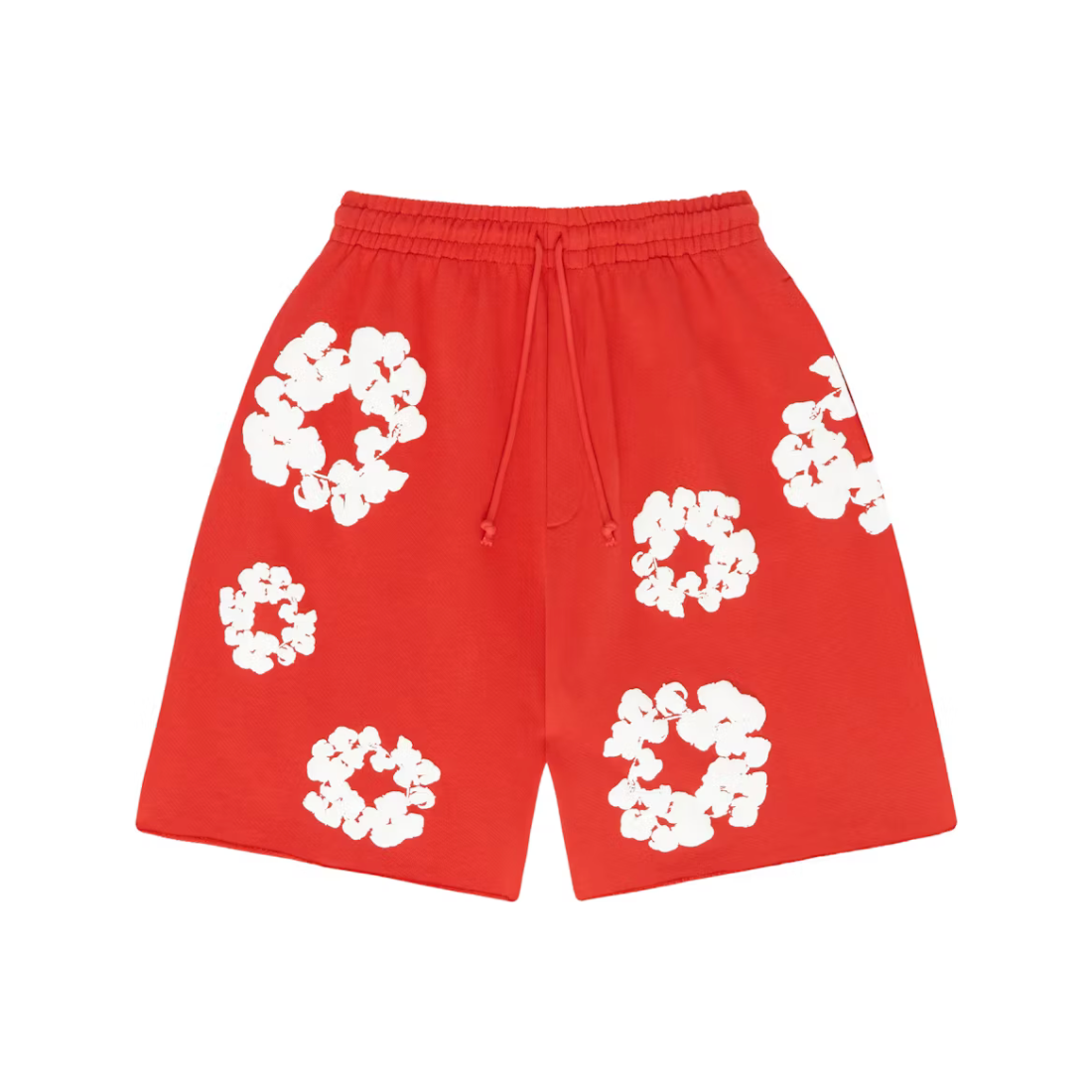
A Guide to HMDD Streetwear Spotting Authentic Pieces

Ahead of Buying HMDD Shorts, Here’s the Breakdown

A quiet but loyal fanbase has gathered behind HMDD, attracted from people who crave streetwear that feels personal rather than mass-produced. The name itself is an abbreviation for “Happy Memories Don’t Die,” a phrase that shows up sewn into labels, inked onto tags, and echoed throughout the HMDD clothing line as a kind of subtle mantra. Prior to purchasing a pair of shorts, it helps to get a sense of what the brand is really about, how the shorts are built, and where they sit compared to other options in the same price bracket. This breakdown pulls apart the nuts-and-bolts specifics so you’re not guessing when the package arrives.

People who look up an hmdd review online are typically trying to settle three questions: does the fit match expectations, does the fabric last after washing, and is the price justified by the construction. We’ll address each question head-on, using what’s known about the shorts’ build rather than empty promotional language. If hmdd sweatpants or other items from the brand are already familiar to you, some of this will feel recognizable, since the brand usually keep its construction ethos uniform across categories.

Where HMDD Comes From and What the Name Means

Happy memories don’t die as a concept isn’t just a tagline slapped onto a hangtag. It guides the visual identity of the brand — muted colorways, worn-in graphic treatments, and a general pushback against loud, hype-driven prints. That same restraint carries into the shorts. Instead of plastering logos across every inch, HMDD tends to place a single graphic or wordmark on the leg or hem, letting the rest stay minimal.

Buyers fatigued by loud branding covering every panel will appreciate this. HMDD clothing, including the shorts, favors pieces that feel considered rather than loud. That’s part of why the brand turns up regularly in “hmddla” searches — consumers connect the label with a Los Angeles-adjacent streetwear sensibility that leans into subtlety over spectacle. If you’re drawn to that aesthetic, the shorts will most likely fit your expectations before you even open the box.

Sizing and Fit: What to Expect Once They’re On

Most hmdd hmddla review discussions heat up over fit, and for good reason — sizing inconsistency is the leading complaint across nearly every streetwear label, not just this one. HMDD shorts usually run in a relaxed silhouette rather than a tight or performance-style cut. In practice this means the waistband sits with some room, the leg opening isn’t pulled in tight, and the overall drape is closer to a comfort-driven street cut than a skin-tight short.

If you’re between sizes, the general guidance from repeat buyers is to size according to how you want the shorts to sit — true to size for a fitted look through the hip, or one size up if you prefer them to sit lower and looser. Because exact measurements vary by drop and by specific style, always check the size chart listed on the actual product page before ordering, since HMDD updates fits between releases. Skipping that step is the most common reason people end up disappointed with the shorts they receive.

Decoding your Material & Build Quality, Determining the Cost

What makes a pair of shorts worth buying again is rooted in how well the piece is made. HMDD’s shorts typically use a heavier cotton-blend fleece or twill base, depending on the specific drop, which gives them structure without feeling stiff. The stitching on pocket seams and waistbands tends to be reinforced at stress points, which matters if you’re someone who’s hard on your clothes during daily wear.

Drawstrings, when included, are usually flat rather than round, which keeps them from slipping loose during movement — a small detail, but one that shows up in long-term reviews as a point of praise. Elastic waistbands are stitched rather than glued, meaning they hold their shape after repeated washing instead of curling or separating at the seams within a few months. None of this is flashy, but it’s the kind of detail that determines whether a $60–$90 short still looks good a year from now.

How HMDD Shorts Hold Their Own Against Analogous Street-Style Choices

To better understand where HMDD shorts sit, it’s worth observing how they compare against similar streetwear names found in a similar price range and aesthetic lane. Below, the table presents general positioning according to commonly recognized category norms — silhouette logic, fabric weight, and pricing range — not exact specs, since these figures differ by individual drop.

Brand Segment How It Typically Fits Fabric Thickness Price Band Branding Approach
HMDD Relaxed, room around hip and thigh An cotton blend with mid-to-heavy weight Moderately priced ($60–$90) A lone wordmark styled minimal
Big-box streetwear labels Spanning from slim to sport-fit A light mix of cotton or poly Affordable ($25–$45) Branding featured prominently
Boutique small-batch labels Usually loose-cut, varying by release A heavy twill or fleece fabric Upscale pricing ($90–$150) Understated to avant-garde

The brand falls in a middle lane, as this makes clear — it’s not as flimsily built as fast-fashion rivals, though it avoids ultra-premium territory. This in-between positioning is most likely why the brand appears so regularly in “best hmdd clothing” searches: the label is affordable enough to allow for frequent use, but constructed well enough to justify the spend over disposable alternatives.

Combining Shorts with the Rest of the HMDD Collection

It’s uncommon for buyers pick up shorts as a one-off item, and HMDD’s lineup is shaped by that fact. The shorts coordinate seamlessly with the brand’s thicker hoodies and crewnecks, given that the color palettes across drops tend to remain consistent season to season. If you already own hmdd sweatpants, there’s a good chance the shorts share the same drawstring fittings, waistband build, and general silhouette logic, simply trimmed down in length.

This uniformity is a intentional choice. Rather than viewing each product category as a isolated product, HMDD builds collections where items are designed to be combined — pairing a short from one release with a tee from another, or layering a hoodie over shorts when temperatures dip. That’s worth knowing if you’re building out a full rotation rather than buying a single item, because it means reselling and matching pieces over time are simpler than with brands that change up their fit philosophy with every release.

Common Criticisms and How to Steer Clear of Them

Any hmdd review would fall short without covering the repeated complaints. The most common issue reported by buyers is sizing confusion, especially for anyone ordering without checking the specific chart for that drop. Shipping timelines rank as the second most common complaint, given that smaller streetwear labels don’t always match the fulfillment speed of larger retailers, so potential delays around major release windows should be anticipated.

Some buyers, a smaller group, have noted that colorways can look a bit different in person compared to product photography — a typical quirk across nearly all online apparel shopping, but worth mentioning nonetheless. The fix for most of these issues is straightforward: read the specific product description closely, check for any listed restock or shipping notes, and don’t assume fit consistency across different drops without verifying first. Taking care of this in advance eliminates most return-related frustration.

The Bottom Line: Do HMDD Shorts Hold Up in 2026

Heading into 2026, HMDD continues to be a solid mid-range pick for anyone who wants streetwear shorts with a relaxed fit, decent fabric weight, and understated branding rather than attention-grabbing logo placement. Build details — reinforced seams, flat drawstrings, stitched waistbands — stand up well relative to the price point, and HMDD’s consistency across its lineup makes it easy to build a full rotation rather than buying throwaway pieces drop after drop.

If you’re weighing HMDD against competitors, the deciding factor usually comes down to fit preference and budget. Buyers who want a slimmer, athletic cut may find the relaxed silhouette not to their taste, but anyone drawn to a laid-back, lived-in aesthetic — the same sensibility baked into “happy memories dont die” as a brand ethos — will likely find the shorts deliver exactly what they’re expecting. Check the current size chart, confirm the specific fabric listed for that drop, and you’ll know going in whether this is the right fit for your wardrobe.


Tory Burch Metallic Style Shop Tory Burch

Tory Burch Handbags: Kira, Fleming, Robinson, Eleanor and Perry

Named families, not seasonal one-offs, are what the handbag range is assembled from. Learn five core names and the rest of the catalogue reads easily. Each of Kira, Fleming, Robinson, Eleanor and Perry carries a distinct construction code, and that code does not change while colours and sizes rotate. Taken one at a time below, they are set against observed 2026 market prices. Two persistent errors are corrected along the way: Robinson is not discontinued, and Bombé is not a collection. One caution runs throughout: introduction dates are undocumented for several of these lines, and the launch years fashion blogs quote carry no citation, so none is repeated here.

How the tory burch bag range is organised

What defines the families is construction and hardware rather than price band or season. Quilting is the loudest organising idea, and it appears in two geometries that are easy to confuse. Structured saffiano and spazzolato leather form a second group, built around rigidity and a wipeable finish. A third group is softer and sculptural, leaning on cast metal and rounded volume. Several names cross categories — Kira and Eleanor name bags and tory burch shoes alike, while Miller names a sandal and a bag collection at once. Always check the category, because “the Kira” on its own is genuinely ambiguous.

Kira

The chevron-quilted family is Kira, and the chevron is the point. Angled rows of stitching meet in a V here, instead of crossing into a grid. Shoulder and crossbody formats on a chain strap are where the line is best known, the flap closing over a cast Double T. Because the soft body collapses when empty, it is made for evening and light daytime use rather than carrying a laptop. Kira also names footwear, so a listing headed simply “Kira” tells tory burch sale you nothing about the category. No introduction year is documented, and no Kira figure appeared in the September 2026 price reading used here.

Fleming

Fleming is the diamond-quilted family, and the one most frequently confused with Kira. Here the stitching crosses into a repeating diamond grid, with a Double T centred on the front panel. The leather is soft and padded enough that the quilting stands proud of the surface. It runs across crossbodies, shoulder bags and larger carryalls, so it stretches further up the size ladder than Kira. On the brand’s US site in September 2026, the Fleming Crossbody was observed at around $470, the Carryall at about $695. As with Kira, no launch year is documented, so none is repeated.

Robinson

Robinson is the structured line, built in saffiano and spazzolato leather rather than quilted nappa. The cross-hatched coated finish called saffiano is what gives the rigid shape, and it wipes clean. As copy hooks go it is the brand’s best, because the name comes from the founder’s parents, Buddy and Reva Robinson. It is her own maiden name as well: she was born Tory Robinson and kept Burch, a married name, after her 2006 divorce. Secondhand guides frequently write Robinson off as discontinued, which is plainly wrong: it is currently sold in several styles. No Robinson figure came out of the September 2026 sample, and no introduction year is documented.

Eleanor

Eleanor is the sculptural, hardware-led family, and the most formal of the five. Where Kira and Fleming depend on stitched texture, Eleanor relies on shape and a prominent cast closure. Plain leather is the usual treatment here, letting the silhouette carry the design. It is reported to have arrived on the Fall/Winter 2020 runway, the only one of the five with a reasonably consistent public date. Satchels and shoulder styles in smooth and suede finishes are now part of the line, and the name is carried by footwear too. Observed in September 2026, the Eleanor Suede Satchel sat at around $750.

Perry

The quietest of the five is Perry, and it is the most useful to understand. The line runs to totes and crossbodies in plain leather, with a light touch on emblem placement. If you want the brand’s proportions without quilting or a hardware statement, that restraint makes it the natural pick. It is also among the more accessible leather entries in the range. Observed in September 2026, the Perry Tote and the Perry Crossbody both sat at around $395. Within Perry sit the Bombé pieces, a shape variation of the line rather than a family of their own, and no introduction year is documented.

The five lines side by side

Set out together, the five separate along two axes — the surface treatment, and how much structure there is. Kira and Fleming are the quilted pair, differing only in chevron or diamond stitching. Robinson is the rigid one, Eleanor the sculptural one, Perry the plain one. The prices below were read on the brand’s US site in September 2026, and they are observed market prices rather than an official price list. No fixed pricing is published by the brand, and figures move by season, market, material and channel. No example appeared in that reading for two of the rows, so they carry no figure — an honest blank beats an invented number.

Line The defining build Names footwear too? Observed September 2026 price examples
Kira Chevron quilting, a soft body and a chain strap Yes, footwear too No example turned up in this price reading
Fleming Diamond quilting and a Double T at the centre of the front Yes, footwear too Crossbody about $470; Carryall about $695
Robinson Structured leather in saffiano and spazzolato No, bags only No example turned up in this price reading
Eleanor Sculptural shape, prominent cast hardware Yes, it does Suede Satchel around $750
Perry Plain leather with restrained hardware, in tote and crossbody No, bags alone Tote about $395; Crossbody about $395

Outside the core five: the other names

Several other families share the same aisles. Lee Radziwill is two capitalised words, named for the person, and reported to have arrived in 2018. In the September 2026 reading, the Petite Double Bag was observed at around $595 and the Small Double and Bucket bags at about $795. Romy stretches over buckets, bauletto shapes and crossbodies from roughly $295 to $495, while Charlie covers quilted and suede shoulder bags from about $395 to $595. Ella is the nylon tote family and the most practical group, with a twist reversible tote near $260. Lock, Virginia, Twist, McGraw and T Monogram round out the field, the last of those a pattern that also runs across tory burch clothing.

What “Bombé” actually means

Bombé is not a collection, and writing “the Tory Burch Bombé” as a peer of Fleming or Kira is a common error. Inside the Perry line it works as a shape modifier, describing a round, pillowed volume. It appears in names such as Perry Bombé Mini Bag and Perry Bombé Woven Mini Bag. The accent on the é is kept by the brand, so dropping it signals a listing written from memory. Leave the word Perry out when searching for a Bombé bag and the results scatter across unrelated listings. Search the Perry line first, and then filter for the shape.

Materials, care and what does not prove authenticity

Saffiano, pebbled and nappa leather, spazzolato, patent, suede and nylon are the materials in the range. Saffiano is the most forgiving surface and it wipes clean, though wear turns up first at the corners and edge paint. For smooth and nappa leathers, use a soft dry cloth, condition sparingly, avoid solvents, and blot rather than rub. Patent wipes clean but absorbs colour transfer permanently, so store it away from other coloured leathers. On authenticity the brand’s guidance is channel-based — buy from its own stores, its own outlet stores, its own site or authorised retailers, and note that it states plainly it operates no online outlet. Discard two beliefs. A stamp reading China proves nothing, since China, Italy and Portugal are all genuine origins, and a dust bag proves nothing either, because dust bags are counterfeited.

Choosing between them

If you want the most recognisable of the five at the lowest entry point, Fleming does the most work for the money. For something that reads as evening, Kira’s chevron quilting and chain strap get there faster. For documents or a laptop sleeve, the structured saffiano of Robinson is the only one built to stand up alone. The dress-up option is Eleanor, which prices accordingly, while Perry stays the quiet everyday pick. A tory burch sale changes which colours and sizes are reachable, not these construction differences, so pick the family first. And record the category in your own notes, because several of these names belong to tory burch shoes as well.

Valentino Rockstud Purse Valentino Tote Bag

Valentino Tote Bags: Rockstud Mini Shopping to Panthea

The tote is the least romantic thing a luxury house makes and, as a rule, the most used. It must hold a laptop, survive a commute, and still look like it cost what it cost. Valentino Garavani responds with a small, clearly graded set of shopping bags instead of a sprawling category, so choosing is easier than it looks. What follows climbs the ladder from the most accessible piece upward, sets out what separates the rungs, and flags the tote names that fill search results but can no longer be bought new. These are prices observed in the market during 2026 research, not entries from an official price list. Treat them as orientation rather than as a quotation.

What counts as a tote here

Where most shoppers say tote, the house says “shopping”, and that single fact makes the category easy to navigate. The crossbody idea has no category page of its own, but Totes is a real destination in the brand’s navigation, alongside Shoulder Bags, Top Handle Bags, Clutches, Wallets and Small Leather Goods. What you find there is narrower than the shoulder shelf. Three current pieces make up the category: the Rockstud Mini Shopping bag, the VLogo Signature Shopping bags and the Jean medium shopping bag. Two of the best-known tote names in search results have left it, as covered below. Everything in the current group is made in vltn-outlet.com/shoulder-bags Italy, a detail the brand states on its product pages.

Rockstud Mini Shopping: the entry point

If you want a valentino tote bag without stepping deep into four figures, this is the piece. Observed 2026 prices start at $1,390 for grainy calfskin or suede, rise to $1,490 in raffia, then $1,750 in laminated calfskin and $1,850 in pony-effect calfskin. Notice what does not change across that spread: the model and the size hold steady, and only the surface moves. That single fact explains most Valentino pricing and is the most useful thing to know before comparing listings. The bag carries the pyramid studs introduced in Fall 2010 by then co-creative directors Maria Grazia Chiuri and Pierpaolo Piccioli, first seen on footwear and drawn from the rusticated stonework of Roman architecture. It is the only tote in the entry band, which makes it the piece most first-time buyers of valentino bags end up handling.

VLogo Signature Shopping: the middle rung

One step up, the VLogo Signature shopping bags hold the middle, observed in 2026 at $2,650 to $3,750 in suede or soft leather. VLogo Signature is the house’s contemporary “V” emblem deployed as hardware and closure, and it runs across clutches, bucket, bowling and shopping bags, so the tote belongs to a coherent family. The same family holds the cheapest pieces in the range, with grainy calfskin clutches at $650 to $790 and a moire clutch at $750, which means the emblem is not a price signal in itself. In tote form the jump over Rockstud Mini Shopping is roughly a thousand dollars, and it buys size and softer materials. For a bag that reads as Valentino without studs, this is the obvious answer. A mini bucket in nappa at $1,450 sits alongside it if the shopping shape is more than you need.

Jean medium shopping bag: the top of the current set

The dearest current shopping bag observed in 2026 is the Jean medium, in nappa chevron at $3,650. Chevron construction recurs across the house’s leather goods, and here it lays a directional surface over a straightforward tote silhouette. At that price it sits at the top of the mid band, just under the $3,700 threshold where the top band begins. Put it next to the upper VLogo Signature shopping bags at $3,750: the two overlap almost exactly on price and look nothing alike. That overlap illustrates how the house builds a range: parallel families at similar prices rather than one escalating ladder. The choice between them is about surface preference rather than quality tier.

The tote ladder at observed 2026 prices

The table orders the shopping bags, naming the material each price was recorded in and adding a note on availability. Two rows appear because they are not buyable new, since both names still dominate search results. Read the live rows as a snapshot of the 2026 market rather than an official tariff. The full spread is $1,390 to $3,750, broad but not extreme for one category. Within that range the variables are material and size, and no current tote reaches far into the top band above $3,700. That is a deliberate position: totes here are working bags, and the house puts its spectacle elsewhere.

The piece Observed material 2026 observed price (USD) Availability
Rockstud Mini Shopping Suede or grainy calfskin $1,390 In the current line
Rockstud Mini Shopping Raffia version $1,490 In the current line
Rockstud Mini Shopping Laminated calfskin $1,750 Current
Rockstud Mini Shopping In pony-effect calfskin $1,850 Currently offered
VLogo Signature Shopping Soft leather or suede $2,650-3,750 In the current line
Jean Medium Shopping Nappa chevron $3,650 Current
One Stud large tote Nappa leather $1,695 via a third-party retailer Archive, not offered officially
VLogo Escape tote Hammered or quilted leather Not offered new Discontinued; resale only

The tote names no longer sold new

Before you go hunting, two well-known totes are worth understanding. The One Stud tote is defined by a single oversized stud and is missing from the brand’s current filters; a large nappa version observed at $1,695 was listed by a third-party retailer rather than offered officially, so it counts as archive. A resale platform has reported the VLogo Escape tote as discontinued; it was made in hammered or quilted leather with double handles, a removable strap and gold-tone hardware, and it now exists on the secondary market only. Other familiar names are in the same position, since Roman Stud, Supervee and Stud Sign are absent from the current filters, and a small Roman Stud handle bag observed at $3,550 was flagged as reserved rather than orderable. None of that makes those bags inferior; it only means that buying one means buying pre-owned. That changes what you check, where you buy and, usually, the price.

Where Panthea fits, and why it is no tote

Panthea comes at the top of every Valentino price conversation, and it appears in a tote guide mainly to mark the ceiling. Observed 2026 prices run from $3,800 for chevron nappa or suede to $5,650 in python, $7,600 in ostrich and $7,900 embroidered, making it the most expensive current family. The catalogue calls it a shoulder bag, not a shopping bag, and that is the point: the house does not build its most expensive pieces as totes. If your budget reaches Panthea money and you still want to carry a laptop, buy two bags rather than one. Exotic skins also bring obligations, because python and ostrich need professional care and are unforgiving of daily use. A tote pays for itself in hours carried, a different kind of value altogether.

Choosing one, and caring for it

The practical decision turns on surface, since every current shopping bag is competent as a container. The most forgiving option, and the easiest to live with, is grainy calfskin. Suede and raffia reward the eye and punish the careless, and both want distance from water and oils, with suede brushed dry and protected by spray. The most care goes to laminated, metallic and pony-effect finishes, because the failure point is the coating rather than the leather under it, so abrasion against desks and car seats is what ages them. General luxury-leather practice, not brand instruction, is to wipe nappa and calfskin with a soft dry cloth, use a nappa cream, blot stains rather than rub, and let a damp bag air dry away from heat. Dust bag, light stuffing, cool and dark storage, and hands off the hardware: antique-brass and light-gold plating wears through if polished.

Some background on the house behind the bags

A little context helps when you are spending this much. Valentino Garavani founded the house in Rome in 1960 with Giancarlo Giammetti, and its creative headquarters remain in the city. Having sold the company in 1998 and retired from design in 2007 with a final couture show in January 2008, the founder died on 19 January 2026 aged 93, so no bag sold today carries his involvement. Ownership sits with Mayhoola for Investments, which took 70 percent in 2012, alongside Kering, which acquired 30 percent in July 2023 with a stated intention to take full ownership by 2028. Per the most recent confirmable reporting, Alessandro Michele has been creative director since 2024, succeeding Pierpaolo Piccioli. One last thing: this house is entirely separate from Mario Valentino of Naples, and only its bags carry VALENTINO GARAVANI on the interior tag.

Godspeed NYC Pants Cozy Shorts Pick

The Genuine Godspeed Store: How to Identify It and Ignore the Clones

You would assume a single official shop, but a single search returns something else entirely. What arrives instead is a cluster of storefronts: the official Godspeed store is claimed by nearly all of them, a large share reuse near-identical product photography, and almost all serve up one tidy founding story. Roughly eighteen such sites were tallied during research in September 2026, a density that is unusual even by streetwear standards. Names are deliberately absent: exactly the exposure they were built to collect is the one thing naming them would supply. Instead, here is a handful of tests that take minutes on any storefront and call for nothing more than what is on the page. Whatever storefront you clicked into, they apply, and carry on working after today’s copies are rebuilt.

Why the Copycats Gather on This Particular Name

What explains the crowd comes down to a pair of factors, neither of them accidental. Number one is search ambiguity, because godspeed is an ordinary English word with a dictionary entry, leaving a large part of the traffic generic and easy to catch. Those searching god speed clothing, godspeed shirts or the name alone are not all wanting the same thing, and a lookalike only needs the ones who are. Second, since the label itself shares very little context, creating a vacuum for copies to fill with made-up detail. There is nothing official to push back: no circulated founder interview, no press-kit history, no official word on the graphics, so invention sits there uncontradicted. This is the climate in which fake official stores flourish precisely where high generic demand meets low official signal.

Check One: An Origin Story With Nothing Behind It

The founding narrative is where to begin: confidence in it is the most reliable tell going. A founding year, a rebrand from some earlier name, a named founder: multiple imitation storefronts assert all three as settled fact. The brand is precisely where none of it comes from. The company’s own site publishes no origin story at all, and the About section was still showing placeholder Lorem Ipsum text at the time of research, unusual but verifiable. The lesson when a page knows more history than the brand godspeed-newyork itself is something about the page rather than about the label. The right default is unsourced: nothing about founder, rebrand or founding date stands until the label puts it in its own words, seeing how often the same paragraph recurs verbatim across them.

Check Two: The Wrong Company’s Founders

Not every version of this error is loud, and legitimate retailers are caught by it. There is an American business called Godspeed Co. that makes garage and motorcycle goods and names its founders openly; it has no link with the New York streetwear label. Retail copy has, time and again, assigned that company’s three founders to the NYC brand whose tees and hoodies it is actually selling, the conflation is documented, not guesswork. You can see it coming: any page that sells puff-print streetwear and then extols American-made workwear values, it has copied from the wrong source. It does not establish fraud, since established stockists have made the identical mistake. Compiled, not reported: that is what the brand copy is, and the same scepticism belongs on its other claims.

Check Three: Prices That Do Not Add Up

Of all the filters a shopper can apply, price is the quickest and the most quantitative. Observed 2026 market estimates have t-shirts at roughly $128 to $200, hoodies at about $200 to $270, sweatsuits and sets from $155 to $360, shorts at $120 to $200, cargo pants around $350, premium denim at $250, headwear from $60 to $150, belts at $250, slides at $160 and watches at $80 to $100. Prices at a fraction of those bands is not a discount: the shop either does not hold the stock or is not selling the same goods. No brand producing small numbered batches gains anything from sitewide discounts of seventy or eighty per cent, limited stock being the enemy of a reason to discount. The other half of the test is uniform pricing: the same number across categories that should differ. Check whatever page is in front of you against the list below.

  • A godspeed hoodie sitting far below the $200-270 band with no justification offered.
  • Tees, denim and outerwear priced identically, something category structure never delivers.
  • Countdown timers that never expire or a perpetual sale covering the whole catalogue.
  • Currency or shipping terms out of step with a New York-based, USD-priced operation.
  • Product names that do not match no collection or graphic family the label actually uses.

Test Four: Reading the Checkout Itself

There is plenty to learn before any money moves at all. A real checkout is undramatic: a padlocked connection, a clear order summary, tax and shipping calculated before payment, and mainstream payment options. Checkouts asking for bank transfer, cryptocurrency, gift cards or a direct app payment to an individual are warning behaviour, because each one strips out the chargeback protection card payments carry. Another red flag is a checkout that requests more information than a clothing order needs, such as identity documents or unrelated account credentials. Copies often show themselves at the last step: a hand-off off-site to pay somewhere with different branding. Card details are never a test of legitimacy, so drop the cart and verify some other way. A store that cannot complete a normal, transparent checkout has already answered your question.

Check Five: Contact Routes, Policies and the Quality of the Writing

Nobody reads the dull pages, which is precisely why copies leave them thin. Look for a working, specific contact route rather than only a web form, and for returns, exchange and shipping policies written for real garments and real timeframes. Generic policy text that still carries placeholder phrases or another company’s name is damning. Product text obeys the same rule, because the genuine catalogue names its techniques precisely: puff print, heavy embroidery, named garment washes, 3M reflective detailing, wool bodies with vegan-leather or vegan-suede varsity sleeves and heavyweight fleece. Copies tend toward vague adjectives, translation errors, and blocks of identical text across unrelated products. One more check is the acronym graphics: the label does not publish what R.O.D, I.G.W.T, F.T.D, G.R.C or VVS stand for, and any page that claims to know is filling in blanks.

The One Cross-Check That Actually Works

Assessing a website is not the strongest verification; parties with a reputation to lose carry the weight. The wholesale side carries the label, and in 2026 the stockists included FEATURE, TAKOUT NY, Tops and Bottoms USA, Civilized Nation, Premium Lounge NY, NRML in Ottawa, Farfetch and GOAT. Each of those retailers carries its own returns process and customer-service obligations, a safeguard no mystery storefront provides. A second layer sits in resale: around forty apparel entries on a StockX brand page, lowest asks observed between roughly $75 and $297, and further listings on Grailed and eBay. A piece missing from that wider ecosystem survives only on one seller’s word. The table below lays out each signal in both directions, reassuring and worrying.

Signal Reads well Reads badly
Company history No origin story is offered, or one openly flagged as unverified A named founder, a founding year and a rebrand story that repeat verbatim on other sites
Identity of the company The NYC streetwear label treated as itself Garage and moto values or another firm’s founders attached
Price levels Falls within the observed 2026 bands for each category Heavy sitewide cuts, or one identical price for everything
The checkout Secure connection, mainstream card options, costs shown before payment Bank transfer, crypto or gift cards; off-site redirect at the last step
Product copy Specific about techniques, washes and collection names Confident acronym expansions and repeated generic descriptions
Presence elsewhere The piece is visible at known stockists and on resale too Piece exists on that one storefront and nowhere else

A Five-Minute Verification Routine

Put the tests in order and the whole check becomes quick enough to do every time. Reading alone gets you through the first pass, and only the pages that survive justify a cross-reference. Most imitations collapse in the first two steps, usually on the founder paragraph or the pricing. Passed everything and still uneasy? A named stockist selling the same godspeed shirt costs a little more and removes the problem. Because card payments are the only route that reliably supports a dispute, save the confirmations and note the method. The short version is below.

  1. Start with the About or history text, looking for a named founder, a founding year or a rebrand.
  2. Take the prices and test them against the observed 2026 bands for the category.
  3. Turn to the returns, shipping and contact pages: is the detail real, specific and untemplated.
  4. Carry a product through to checkout without paying, and check the payment options and the connection.
  5. Look for the same design at known stockists and on resale platforms to confirm it exists elsewhere.
  6. Should any two steps fail, buy from a stockist and treat the storefront as unverified.

SS26 Season Apparel Italian Luxury Brand

Palm Angels Bottoms: Complete Sizing and Styling Breakdown

If you’ve spent any time looking at style pages or exploring high-end department stores in 2026, you’ve very likely come across Palm Angels pants. The Italian luxury label, started by photographer and creative director Francesco Ragazzi, has established a unique niche where sporty silhouettes intersect with high-fashion quality. Palm Angels pants — including track pants, cargo styles, denim, and tailored trousers — have turned into go-to pieces for fashion-conscious people who refuse to pick between comfort and good looks. With the global streetwear market estimated at roughly $187 billion in 2025 and anticipated to grow another 8% through 2026 according to Grand View Research, the appetite for finely constructed standout pants has never been more intense. This comprehensive resource details everything from sizing breakdowns and fabric makeups to outfit ideas that perform in the real life.

A Rundown of Palm Angels Pants Styles

Palm Angels avoids a one-size-fits-all approach to pants, and knowing the different styles in their range is essential before committing. The track pants remain the label’s hallmark — right away unmistakable thanks to the bold side stripes that flow from waist to ankle, made in refined polyester or jersey blends that flow smoothly. Cargo pants have turned progressively popular since the FW24 collection, sporting large flap pockets, drawstring hems, and relaxed cuts that reference combat utility through a luxury lens. The house’s denim range includes straight-leg and slim-fit jeans with paint-splatter touches, worn-in finishes, and the iconic curved palm logo. Tailored trousers emerge in certain seasonal drops with pleated fronts and streamlined legs. Each style meets a unique need in your wardrobe, and the smartest plan is to keep at least two types to maximize versatility across seasons.

Sizing Details Unpacked

How Palm Angels Pants Really Fit on the Body

One of the most common issues when ordering Palm Angels pants online is true-to-size palm angels sweatpants luxury brand reliability, and the truth is that fit fluctuates meaningfully across styles. The track pants generally run accurate to size with a gently loose leg — not sloppy, but not skinny either, landing in that ideal in-between zone that complements most frames. The elastic waistband with inner drawstring delivers a tailored fit, and opting for your standard size generally is recommended as the fabric has some give. Cargo pants usually run slightly oversized due to their by design generous construction, so ordering smaller is advisable unless you are going for the maximum volume. Denim runs in line with traditional sizing but with a somewhat wider thigh compared to houses like Saint Laurent or Amiri, reflecting Palm Angels’ skate-rooted tendency for movement. Inseam lengths generally range from 30 to 32 inches, with track pants often having a slightly shorter above-ankle cut that looks great with both sneakers and boots.

Choosing the Ideal Fit for Your Physique

Physique plays a major part in how Palm Angels pants look and perform, and there are clear rules that assist refine your options. If you have a lean, taller frame, the track pants in true sizing create a harmonious silhouette that showcases length without appearing bulky. Stockier builds do well with the cargo styles, where the roomier cut fits thicker thighs and the prominent pockets add design elements that evens out the silhouette. Athletic builds with powerful legs should handle the denim range with consideration — the straight-leg options provide more room than the slim cuts, which can feel restrictive around the quads. For smaller-framed guys, the ankle-grazing track pants remove the excess fabric that full-length pants frequently result in, maintaining a clean line from knee to shoe. Irrespective of body type, the key principle is to pay attention to how the pants drape when you’re standing relaxed — ease in movement translates directly to self-assurance in appearance.

Fabric and Build Quality

What separates Palm Angels pants from fast-fashion knockoffs comes down to fabrics and construction. The track pants use a heavyweight technical jersey or tricot fabric — typically a polyester-elastane blend weighing around 280–320 GSM — that maintains its silhouette wash after wash without bobbling or going baggy. Stitching is reliably clean, with fortified seams at high-wear areas like the crotch gusset and pocket openings. Cargo pants employ ripstop nylon or heavyweight cotton canvas with a softened finish. Denim pieces use Japanese or Turkish selvedge denim in the 12–14 oz range, offering toughness without rigidity. Hardware components — zippers, snaps, drawstring aglets — are engraved and made from durable metals. All production is done in Italian ateliers, providing genuine value given Italy’s legendary renown for textile excellence. At price points ranging from $350 for entry-level track pants to $700+ for specialty denim, you’re securing multi-season wear over several seasons.

Styling Palm Angels Track Pants

Track pants are the gateway piece for most Palm Angels fans, and their styling options stretch way beyond athletic looks. The signature black track pant with white side stripe combines smoothly with a simple white tee and low-top sneakers for an minimalist outfit. For a more elevated look, try them with a tucked mock-neck sweater in camel or charcoal, crisp white leather sneakers, and a structured overcoat. Sneaker options significantly alter the tone: chunky trail sneakers drive the look toward tough streetwear, while clean leather shoes or Chelsea boots move it closer to semi-formal territory. Color coordination matters: if your track pants sport colored stripes, mirror that color somewhere else in your outfit to build visual cohesion. In 2026, the monochromatic track suit trend has come back into favor, so pairing the pants with their matching Palm Angels track jacket forms a cohesive set that looks naturally unified.

Styling Beyond Track Pants

Cargo Pants for Utility-Driven Outfits

Palm Angels cargo pants demand a distinct styling direction, doubling down on a gritty, functional style that’s dominated the style scene in 2026. The roomy silhouette is most effective when offset with a fitted or semi-fitted top — a textured tank top under an open flannel shirt ensures the outfit from appearing baggy. Footwear should be chunky: imagine combat boots, hiking-inspired sneakers, or chunky platform shoes. Earth tones and army-inspired palettes — olive, tan, rust, black — come across as most organic with cargo styles. Details can trend functional: a nylon belt with a metal buckle or a utility sling bag brings authenticity. These pants also respond well to cuffing at the ankle, which adjusts proportions and shows off your shoes. The cargo movement has institutional momentum, with top houses from Prada to Louis Vuitton incorporating cargo features into their 2026 offerings.

Denim and Structured Options

For days when track pants or cargos appear too laid-back, Palm Angels denim and structured trousers close the space between streetwear and standard menswear. The paint-splattered jeans pair beautifully with a plain black tee, a leather jacket, and boots for rock-and-roll style. Straight-leg jeans without heavy distressing present a more versatile canvas: they work under blazers, with hoodies, or with knit polos for a retro summer look. The refined trousers earn attention if you visit events where track pants would be underdressed — combine them with loafers and a properly sized Oxford-cloth shirt. The house’s denim retails between $450 and $700, positioning it alongside brands like Amiri and Purple Brand in the luxury streetwear denim segment.

Pricing Guide and Where to Buy

Making sense of the shopping landscape requires understanding discount patterns and authorized sources. Below is a 2026 breakdown of average pricing in 2026.

Pant Style Retail Price (USD) Sale Price Range Best Retailers
Classic Track Pants $350 – $450 $210 – $315 SSENSE, Nordstrom, END.
Cargo Pants $420 – $550 $250 – $385 Farfetch, LN-CC, Selfridges
Denim Jeans $450 – $700 $270 – $490 Mr Porter, Saks, Neiman Marcus
Tailored Trousers $400 – $600 $240 – $420 Palm Angels Official

End-of-season sales, usually running in January and July, offer the largest discounts — up to 50% off at multi-brand retailers. The resale market also creates opportunities, with lightly used Palm Angels track pants regularly showing up on Grailed at 40–60% below retail. Authenticity verification is vital when buying resale: confirm for correct labeling, uniform stitching, and the quality of hardware before buying. Whether you buy at full retail during a current drop or look for bargains on the pre-owned market, Palm Angels pants represent a worthy addition to any wardrobe that prioritizes the intersection of comfort, craftsmanship, and contemporary design.

Maroon Sp5der Hoodie Real Outlet Now Huge Discount

Spider Hoodie Official Website: Latest Drops Active, Sizes, Stock Alert System

The brand’s official new arrivals area remains the single source for accessing live Spider hoodie drops, exact size info, and restock signals. This guide shows how to verify what’s truly live, choose the right fit confidence, and create a no-noise restock tracker that actually catches stock before it vanishes.

You’ll get a clear workflow for checking fresh drops, decode stock signals, and cut checkout time. Every section opens with a quick answer you can act on right away, then goes deeper with practical details learned through actual drops.

What’s currently active now?

Go to the official new arrivals or shop index, sort by latest, and scan individual product pages for entire size selections, “in stock” badges, and recent drop times. Should an item has all size options, clean imagery, and a visible size chart, it’s a live, official drop. Skip external sources; confirm add-to-cart operates on different sizes without issues.

Access the fresh arrivals view and toggle filtering by “Newest” or “Release date” if the system enables it. Access a hoodie’s page and test add-to-cart on minimum two sizes; fast “success” notifications without errors usually suggests active inventory. Examine the palette count: when inventory is fresh, the selection is typically broader, while final availability shows one to two options lingering. Check for matching SKU or style codes across sizes, a sign of official product data. Should the product shows a detailed sizing table and fabric composition, that’s usually the best indicator you’re seeing a current, supported SKU.

How do launches usually young thug spider clothing website roll out?

Releases come in clusters, often around a known time window, with a short buying window with primary options and popular sizes. Stock replenishes following days or weeks afterward, sometimes quietly, often featuring smaller size batches. Anticipate surprise loads that become active sans email or banner alerts.

Primary items usually land with matching sweats or tees, and that capsule approach helps predict what comes next. Initial releases prioritize common sizes initially, then fill up remaining choices or colors with inventory refresh. Various stores activate a queue under heavy load; when that’s enabled, open one screen per person to avoid restricting. Surprise releases might show up first on the product page ahead of displaying category grids, keeping target SKUs pays dividends. When you notice “sold out” switch to “in stock” mid-scroll, you’re witnessing a live inventory sync and should move to checkout immediately.

Size and fitting guide for Spider hoodie items

Spider items usually run in traditional-to-oversized streetwear profile featuring space through the body and standard sleeve length. The right move is to use each product’s size chart, assess a piece you already enjoy, and match piece dimensions and length rather than relying solely on letter labels.

Place your ideal hoodie flat, measure pit-to-pit for chest width with shoulder to hem for body length, then compare against the provided garment measurements. If the chart shows garment measurements (not body measurements), choose the best alignment with your flat readings for target fit. For a baggy look, add single size if your chest dimension rests at the chart’s top center. Cotton-blend fabric might relax but rarely shrinks meaningfully if washed chilled and naturally dried; tumble heat might compress textile slightly, especially at ribbing. As distinct shades sometimes use alternative finishing methods, small deviations in texture and drape are expected; use the guide each purchase.

Which size should I pick if I’m between two?

Should you fall between sizes and like a tailored, true-to-frame look, pick the down size; if you prefer a looser streetwear silhouette, size up. Use sleeve length and body length as tie-breakers; prioritize the dimension that bothers you most when it’s off.

Begin by ordering your priorities: shoulder dimension, chest room, or body length. When your arm span is long, choose the measurement that protects cuff reach regardless if it brings slight of body space. If length overwhelms you visually, select the reduced size and depend on elastic stretch for flexibility. Check model specs when available; if the model’s measurements are close to yours, mirror their choice and modify one step when you desire more or reduced room. Exchange rules differ, so confirm whether exchanges are permitted before gambling on an upsize for initial purchase.

How do you track restocks without camping the site?

Employ the store’s “notify when in stock” on your sizing options, create an profile, and enable notifications or texts; then watch product pages for live flips plus reviewing during the same timeframes the following few days. Set one automated monitor to the item listing and the fresh drops section so you receive alerts as inventory toggles.

Focus monitoring on the SKU level because site-wide banners often lag behind live inventory. Set a reminder for the same time of day as the original launch for three through five straight days; many crews adjust availability in regular cycles. Should the shop runs on standard software, changes in sizing dropdown are often the initial noticeable restock indicator. Preserve your access signed in preventing login loops that waste payment time. Once stock refreshes hits, skip browsing; go straight from alert to cart to purchase.

Inventory indicator you’ll see What it actually means Best action to take
Available Live inventory on the selected size/color Put in basket, go straight to checkout process on file
Low stock Availability beneath a threshold; can expire during payment Select speediest method (Shop/Apple/Google Pay) without changing cart
Unavailable Missing available units allocated to the selection Press “alert,” bookmark the page, and monitor within expected replenishment windows
Launch pending Page preloaded; inventory not currently live Remain logged in, prefill address, and refresh at scheduled window

Purchase timing and checkout strategy

The fastest path is a stored profile with a one-tap payment method; every extra step you take increases the risk of an inventory race-out. Ready delivery and billing, and skip basket changes once items are in.

Activate a reliable express wallet while testing it on a safe product so you know which prompts appear. Maintain just the target size in your cart to minimize issues; multiple variants within matching SKU can create problems during peak traffic. When a line opens, do skip frequent refreshing; hold your position while readying payment in different window. Through mobile, ensure biometric auth is ready; failed Face ID during payment is a typical bottleneck. If checkout errors after payment approval, re-open the cart and try the same payment method again before switching platforms.

Are you shopping from the authentic store?

Check the accurate domain spelling, legitimate encryption certificate, and matching official footer with rules and communication details. The official site’s product pages have uniform photography, complete size tables, and coherent SKU naming; counterfeit sites frequently reuse incorrect images and weak terms.

Type the URL directly or utilize authenticated social links from the brand’s official profile to reach the store. Examine the refund and shipping pages; real stores publish clear timelines and conditions, but fraudulent sites use it vague. Look for errors in policy copy, broken internal navigation, and odd payment processing—common tells of cloned templates. Legitimate sites preserve a persistent cart across pages and load terms via direct routes instead of third-party forwards. If in doubt, contact support via the address listed on the site and confirm the purchase page you intend to order.

What are the fastest legit-check signs?

Uniform stitching at cuffs and lower border, centered and crisply applied graphics, and consistent cuff compression across sizes provide fast signals. Tags must align with brand typography with character spacing, and care labels must be readable and aligned.

Inspect seams inside the hood plus down the side body seeking neat serger stitching without stray string pieces. Feel the fleece face and reverse; authentic pieces present a dense hand with even pile, not slick or thin. Look at color saturation across panels; authentic dye processes preserve uniformity on pocket, arms, and body. Examine tag substance quality and image sharpness when present; blurry small print indicates red flag. Align the platform’s product photos to your item’s details, especially cord terminators, eyelets, and closure elements in zip versions.

Shipping, taxes, plus refund rules overview

Anticipate variable delivery rates based by geography, weight, and service level, with taxes calculated per location. Send-back or trade windows, when offered, are time-bound and require items to be unworn with tags.

Determine whether the brand supports exchanges or only returns; exchanges are better if you’re dialing in fit. Overseas purchasers need to check duty and VAT handling, as some shops gather during checkout while some charge upon arrival. Shipment IDs generally activate within 24 business hours of fulfillment; large drops can extend handling times. If your order contains a restocked piece with a pre-order, processing could separate; watch your messages for various tracking links. Preserve initial boxing until you verify sizing to avoid avoidable refusal for refunds.

Maintenance, fabric, with lifespan

Cool cleaning, inside out, and air dry preserves print durability and preventing fleece from matting. Temperature increases breakdown on ribbing and can distort fit over long periods.

Select a mild cycle and soft soap to protect color and hand-feel. Turn prints inward to minimize wear inside the drum. Skip textile conditioner if the garment includes elastane in ribbing; it can reduce recovery. If you must machine dry, apply minimal temperature and remove when somewhat moist to finish flat. Maintain hoodies bent rather than hung to prevent shoulder puckering, particularly with thicker fleece.

Hidden information concerning Spider drops with measurements

Many streetwear stores preload product pages hours before a drop; monitoring these listings beats waiting through navigation pages, which can cache. Fit tables might vary between colors as treatments or fabric lots differ, so always check the table per product page instead of assuming consistency.

“Out of stock” remains always final post a busy launch; canceled plus declined transactions often recycle inventory during the first hour. Inventory refresh periods regularly coincide with distribution processing on weekdays, more than weekend times, so mid-week checks matter.

The label title is often formatted as “SP5DER” across social and tags; counterfeit listings periodically modify text within the identical listing, a subtle sign showing mismatched assets.

Problem-solving: why did purchase stop?

Order issues generally come from size conflicts, session timeouts, plus payment verification mismatches. Confirm your sizing selection, refresh the page once, and retry identical payment method before switching devices.

When you inserted multiple sizes from identical hoodie, remove everything except one to avoid variant conflicts. Remove old promo fields or rejected promotional entries; they can secretly stop completion. Verify your mailing country matches the store’s region settings; some sites restrict checkout per locale. When you encounter looped back to cart, log out plus return to refresh session data. For repeat failures, try a new browser setup with no extensions to eliminate blockers.

Pro advice: “Set your target size and one backup colorway before the launch, then lock down payment option. Many buyers fail to hesitation, not to bots.”

Rapid question answers on sizes, releases, and restocks

Affirmative, size availability may vary per colorway; choose using physical garment measurements, not just size letters. Launches infrequently refresh full size ranges; expect partials preferring middle options first. If you’re tall and between size options, pick the choice providing the sleeve length you prefer, then tailor torso fit through layering choices. Alert systems function best when you’re logged in with verified message or phone; anonymous alerts are downgraded within some platforms. Hold one system on Wi‑Fi with one through cellular during big launches to hedge against area connectivity troubles.

Universal design and fairness in sizing

The official pages typically publish specific piece measurements, which help all body types find a match beyond generic letters. The safest fit strategy is size-data-first, followed by arm and torso priorities.

For broader shoulders, shoulder seam dimension becomes your anchor; if it’s not listed, chest width serves as the proxy. Should movement be a need, seek chest width that offers 8 to 12 cm of room beyond your body measurement. Abbreviated or geometric cuts can appear brief on taller frames; verify rear length number compared to your perfect hoodie. Should the guide lacks a size you want, contact support using your particular measurement checklist and ask for garment specs.

Last preparation for the next drop

Create and sign in to your account, save one express wallet, and bookmark the SKU pages you care for. Set notify alerts on each size, test add-to-cart using a test item, and remove problematic extensions.

Assess your present hoodie and record desired chest width with length so you can choose confidently. Maintain a backup device ready with a different network to circumvent likely restrictions. Determine early whether you’ll consider a secondary color or option to dodge on-the-spot indecision. After the drop, revisit target listings for one hour; quick recycle stock is real, and you’ll stay prepared for it.

Structured Leather Crossbody The Row Crossbody Bag

Leather, Suede and Raffia: Caring for The Row Bags

The first thing you register about one of these bags is everything it leaves out. There is no logo plaque in the way, no coated canvas asking to be wiped down, no bulky hardware soaking up the bumps. The trade is exposed surface: calfskin that shows its grain, lambskin linings, suede that marks if you look at it wrongly, and in summer a raffia weave with nothing sealing it. Care for The Row bags rests almost wholly on the material rather than on some coating applied on top. That makes them simple to look after and unforgiving when you get it wrong.

The organising principle is material, because that is how the decisions actually break down. A grained calfskin tote and a suede top handle from one season want opposite treatment, and a sisal bag asks for something else entirely.

Before anything else: a caveat about care instructions

Nothing resembling a public care protocol has been issued, since The Row issues none. No manual, no published cleaning chart, no brand-approved product line accompanies them. What follows is accordingly material-appropriate general guidance, taken from the behaviour of calfskin, lambskin, suede, canvas and raffia rather than from instructions issued by the label. A good leather specialist would be cautious, conservative and biased toward doing less, and so should you. No definitive brand-issued cleaning routine exists for these bags, so anyone who presents one is filling a gap rather than quoting a source. If the bag matters, consult a professional before putting anything on it.

Habits that matter more than row shoulder bags any product

Everyday handling is where most damage to a good bag starts, so the fixes are behavioural. With the Margaux and the Park Tote in particular, overfilling is the usual mistake, which is also the fastest way to distort a soft silhouette. The belted side gussets on the Soft Margaux exist so you can adjust the shape, not so you can force more into it. Leather is dried and faded by sun, with radiators and car dashboards accelerating both. Unfinished surfaces suffer more from rain than people expect, and suede and raffia are close to defenceless. Nothing on a shelf matches the effect of keeping a bag clear of sun, heat and water.

  • Take everything out before you store it, receipts and anything else that might transfer colour included.
  • Hanging a soft bag by its handles for long stretches will stretch the drop, so keep it off the hook.
  • A pouch keeps pens, keys and cosmetics off the lining.
  • Pale calfskin and untreated suede want clean hands.

Calfskin: smooth, grained, saddle and polished

Calfskin is the spine of the line and the most forgiving material in it. Where smooth calfskin shows scuffs and shine, matte grained calfskin hides them, and polished saddle leather sits between them. A soft dry cloth after use is the whole of routine care, used with the grain and concentrated on the corners and base where dirt collects. A neutral conditioner may be used sparingly and infrequently, with a test on a hidden panel first, and both of those words carry weight. Darkening, tackiness and lost structure are what over-conditioning buys you. Because dye moves from dark denim onto pale calfskin, keep light bags away from indigo and never scrub a transferred mark, since scrubbing spreads it.

Nappa and lambskin, usually found inside

Because both are more often lining than exterior, the approach to protecting them changes. Lambskin lines the Margaux Shoulder and the Bourse Clutch pairs a calfskin exterior with a nappa lining, so the softest material in the bag is the one your keys sit against. Both mark easily, both are exceptionally soft, and neither rewards any attempt to work on it. A soft dry cloth, applied lightly and rarely, is the whole treatment. Leave conditioner out of it completely, because the hides are already supple, and over-treatment leaves a greasy sheen that never comes out. Real protection is a pouch inside the bag, not a product applied to it.

Suede: the most demanding material in the line

At this label suede is consistently dearer, and the care it needs rises to match. Observed 2026 market prices make the gap obvious: India 10.00 sits at $3,850 in leather against $5,370 in suede, and Agnes 15 runs $5,000 in leather against $5,800 in suede. What the premium buys is a nap that flattens, absorbs and stains more readily than any finished hide. Suede care is a mechanical business rather than a chemical one, which is precisely what most owners fail to grasp. A dedicated suede brush covers most routine wear on its own, used gently in one direction to lift the nap and clear surface dust. Past dry brushing, it is a professional’s job.

  1. Brush lightly after each wear, going with the nap instead of scrubbing against it.
  2. Let a wet bag dry naturally at room temperature, nowhere near a radiator or hairdryer, then brush it once it has dried completely.
  3. Dry marks come away with a suede eraser, used with as little pressure as possible.
  4. Do not attempt anything oily, coloured or set — it belongs with a leather specialist.

The list of what must never go on suede is short and absolute: no leather cream, no conditioner, no wet wipes, no soap, no water-based cleaner. Each of those mats the nap or leaves a ring that shows in every light. The realistic standard is prevention, not repair, because regular brushing does more over a year than any treatment.

The unserviceable materials: raffia, sisal, canvas, nylon, silk and satin

These are the least serviceable materials in the brand’s range, and they should be bought with that understood. Neither the sisal family nor the woven raffia and linen totes are tanned surfaces, so there is nothing to condition, and no way to refinish a stained panel. Solvents and hard scrubbing distort the weave of canvas and nylon and leave a clean patch that reads as damage, despite how well both wear. Silk and satin pieces — the small evening bags and knotted crossbody shapes among them — mark permanently from water and skin oils. Across all of them, the only home treatment worth attempting is spot-cleaning with a barely damp cloth and quick blotting. Because prevention carries the entire load here, keep them out of the rain and away from sunscreen.

The material Everyday care Never do this
Calfskin, grained or smooth Soft dry cloth as standard, with neutral conditioner only sparingly and rarely Conditioning frequently, or soaking a stain
Nappa and lambskin A dry soft cloth under light pressure Conditioner and cream alike
Suede A suede brush and eraser; professional cleaning where there are stains Cream, soap, wet wipes, water-based cleaners
The raffia, sisal, canvas and nylon pieces A spot-clean with prompt blotting, then air drying Immersion, solvents, hard scrubbing
Silk and satin Keep dry, and leave cleaning to a professional Any home cleaning attempt

The parts people forget: hardware and linings

The hardware is palladium-plated with a matte or brushed finish, and protecting that finish is the whole job. Polish is designed to add shine, so it burnishes a deliberately soft surface into something that no longer matches the bag. A dry cloth on the buckles and feet is enough, and drying whenever they get wet, so moisture never sits in the join. On the Margaux the buckles and base feet are engraved, and the recesses trap dust, which a soft brush clears better than a cloth. Cotton herringbone linings, of the sort used in the Soft Margaux 10 and 12, want vacuuming rather than washing. Because catching a loose thread early costs a small repair instead of a large one, give the stitching at the handle roots an occasional look.

Storing a bag between wears

Quiet deterioration is a storage problem, and it costs very little to fix. Use the dust bag it came with, lightly stuffed so the shape holds without stretching the sides. Either acid-free tissue or a soft cotton scarf will do the job, but not newspaper, because the ink transfers. Keep bags upright on a shelf instead of stacked beneath others, since these silhouettes hold their shape when empty and lose it under weight. Keep the storage space dark, dry and ventilated, and avoid sealed plastic boxes, since they trap humidity against leather. Because a resting bag recovers its form, rotating what you carry does more good than owners realise.

When to hand it to a professional

A clear line separates maintenance from restoration, and crossing it at home is how good row handbags end up ruined. A leather specialist should take anything involving colour loss, ink, oil, water rings on suede or a stretched handle. The same goes for structural work, loose stitching at a stress point or a lining torn away from its seam included. Ask whether the specialist has handled unlogoed luxury calfskin, since techniques built for coated canvas do not transfer. Expect discreet testing, and honesty about any mark that cannot be lifted cleanly, because some marks on untreated hide never will be. The resale discount from a botched home attempt outweighs the price of one competent intervention.

Sports Betting Bonus Offers Discussed

When it concerns sporting activities betting, one manner in which online sportsbooks bring in and keep consumers is via using bonuses. These benefits can can be found in different kinds and supply different benefits to bettors. In this article, we will certainly explain the different sorts of sporting activities betting bonuses and how they function.

Types of Sports Betting Rewards

There are numerous kinds of sports betting perks that you might encounter when joining an on the internet sportsbook. Some of the most common ones include:

1. Invite Reward: This is a sort of reward that is provided to brand-new consumers when they register with a sportsbook. It usually is available in the kind of a matched deposit incentive, where the sportsbook will certainly match a percentage of the client’s first deposit.

2. Free Bet: This kind of reward allows gamblers to put a bet without risking their own money. If the bet wins, the payouts are paid as cash money, while if the bet loses, the risk is not returned.

3. Reload Reward: This reward is supplied to existing consumers to encourage them to proceed betting with the sportsbook. It functions in a similar way to a welcome incentive, but it is usually of a lower percentage.

  • Cashback Bonus: This reward uses bettors a percentage of their losses back as a cashback. It is a method to mitigate losses and motivate clients to keep wagering.
  • Reference Bonus offer: This bonus offer is given to clients that refer close friends to join the sportsbook. The customer gets an incentive as soon as their friend makes a deposit and begins betting.

Exactly How Sports Betting Rewards Function

Sports betting rewards generally feature conditions that must be melhores casas de apostas chinesas fulfilled prior to the bonus can be retrieved. These terms might consist of betting needs, minimal odds, and time frame. It is important to check out and comprehend the terms and conditions of the perk before accepting it.

Betting requirements are the most usual problem attached to sports wagering rewards. This refers to the variety of times the bonus offer amount have to be bet before it can be taken out as cash money. As an example, if an incentive has a 5x betting need and the incentive amount is $100, the bettor must position $500 well worth of wagers prior to the bonus offer can be taken out.

It is additionally crucial to keep in mind that not all sporting activities wagering bonuses are developed equivalent. Some might supply much better worth than others, so it is essential to compare different rewards and pick the one that finest matches your betting choices.

Final thought

Sports betting rewards can be a fantastic way to improve your wagering experience and potentially boost your jackpots. However, it is vital to recognize just how these perks job and the terms and conditions connected to them. By selecting the right bonus and meeting the needs, you can make the most out of your sports betting experience.

Remember to always bet properly and only bet what you can pay for to lose.

Take pleasure in betting on sporting activities and benefit from the perks used by online sportsbooks!

Mateslots Casino Depositing Made Easy

Depositing funds at Mateslots casino is designed to be quick, secure, and flexible, allowing you to focus on the fun rather than the fuss. Whether you prefer traditional bank transfers, e-wallets, or even cryptocurrencies, the platform supports a variety of payment methods aligned with modern player preferences. In this guide we’ll walk you through the most commonly used deposit options, give you a step-by-step onboarding process, and explain how to ensure your transactions stay safe and hassle‑free. explore Mateslots bonus details to see how your deposits might unlock exciting bonuses and rewards.

Deposit methods visualization
Example of a typical deposit interface.

Understanding the Range of Deposit Options

The versatility of Mateslots casino lies in its support for over twenty different payment methods, spanning traditional banking, instant transfer services, and digital currencies. This diversity ensures that players worldwide can find an approach that suits both their technical comfort level and their local regulatory environment.

Payment Method Processing Time Minimum Deposit Maximum Deposit
Credit / Debit Card Instant $10 $5,000
E‑Wallet (PayPal, Skrill) Instant $5 $10,000
Bank Transfer 1‑3 business days $20 $2,000
Cryptocurrency (Bitcoin, Ethereum) Instant $15 $8,000

Quick Facts:
Participants who opt for e‑wallet deposits often experience lower fees and faster processing than credit cards, especially in regions where e‑wallets dominate online payment infrastructure.

Why Choose an Electronic Option?

E‑wallets reduce the need for large balances on bank cards, offering an added layer of security. They also support instant reconciliation, allowing players to start gaming without waiting for a delayed transfer confirmation.

Credit Card Flexibility

Credit cards remain a staple for many players, offering familiarity and instant credit limits. Many players combine card deposits with bonus offers specifically tailored for card transactions.


Choosing the Best Deposit Method for Different Profiles

Players’ preferences vary from those who value speed, to those who prioritize anonymity or low fees. Consider your priorities: Is speed the decisive factor? Or do you prefer a method that’s widely accepted in your jurisdiction? Below is a quick decision matrix to help you decide.

Priority Recommended Method Why It Works
Speed Cryptocurrency Instant confirmation with no intermediary bank processing.
Security E‑Wallet (Skril) Encapsulates card details and offers loss‑prevention features.
Low Fees Bank Transfer Typically services charge less than credit‑card processing fees.
Availability Credit Card Supported in almost every country.
  • Crypto enthusiasts enjoy WHOLE WHOLE anonymity.
  • Pragmatic players often favor bank transfers for large sums.
  • Those who prefer nettone transactions consider e‑wallet for budget tracking.

Crypto and Anonymity

Cryptocurrencies provide a pseudonymous transaction channel, ideal for discreet play. Keep in mind, however, that you must maintain wallet security to prevent list full fraud.

Credit Card When Convenience Wins

For quick play, a debit / credit card series is typically the easiest. By using a single card and staying within defined limits, you minimise the risk of declined payments.


Step‑by‑Step Deposit Process

Executing a deposit at Mateslots casino is a three‑step process, simplified for all players:

  1. Navigate to the top “Banking” section and click “Deposit”.
  2. Select your preferred payment method from the illustrated list.
  3. Enter the amount and submit; you’ll instantly receive a confirmation and counter‑balance update.

Below we detail each step with visual cues and common pitfalls to avoid.

Step Key Action Common Pitfalls
1 Choose Deposit option Missing the “Enabled” flag or selecting a restricted method.
2 Input Amount Entering unsupported currency or a value outside the min-max range.
3 Confirm & Pay Failing to complete identity verification or neglecting 2FA.

Verification Checklist

When using bank or crypto deposits, you may be prompted for identity verification. Make sure your documents are up to date to avoid delays.

Confirming Transaction Receipt

After submission, a confirmation page will display the transaction ID and an instant deposit watermark. If you don’t see this within 15 minutes, consult the support center.


Security Measures to Protect Your Funds

Security at Mateslots casino is multi‑layered, combining encryption, real‑time fraud monitoring, and stringent regulatory compliance. Regardless of the deposit vehicle you use, security is paramount for your peace of mind.

Security Feature Description Impact on Players
SSL Encryption Zero‑knowledge TLS 1.3 for all data transfers. 0% chance of intercepted funds.
Two‑Factor Authentication (2FA) Optional OTP via mobile app or SMS. Additional safety layer for withdrawal attempts.
Anti‑Money Laundering (AML) Firewalls Computational rules trigger re‑checks. Prevents large, illicit transactions.

Did You Know?
Players who enable 2FA for all deposits report a 70% decrease in unauthorized access attempts.

IP and Device Fingerprinting

To combat fraud, the platform scans your device fingerprint and IP consistency before each transaction. This method detects anomalies quicker than traditional methods.

Periodic Compliance Audits

Annual third‑party audits validate the effectiveness of the anti‑money laundering protocols and data security frameworks.


Tips for Faster, Safer Deposits

Even with the most robust system in place, a few user actions can streamline the deposit experience across all modalities.

  1. Always use a stable internet connection.
  2. Keep your payment credentials updated (no auto‑expiration).
  3. Enable browser cookies and JavaScript for e‑wallets.
  4. Check for “instant” transaction confirmation symbols.

The following table highlights best practices for each payment type:

Payment Type Best Practice Potential Issue
Bank Transfer Immediate SWIFT confirmation. Delayed banking hours.
E‑Wallet Verify email for OTP. Blocked email domains.
Crypto Use a dedicated wallet address. Mixing transaction streams.

Stakeholder Communication

Keep an eye on the Mateslots casino notifications panel for any scheduled maintenance that could affect deposit timings.

Verification Flags

If your account is flagged, reach out to support for a quick reset of the transaction parameters before re‑attempting.


Conclusion
Depositing at Mateslots casino is a streamlined experience designed to meet the varied needs of modern players. From instant crypto deposits to secure bank transfers, the platform offers flexibility paired with uncompromising security. By understanding your preferred method, following the structured steps, and maintaining proactive security habits, you’ll enjoy uninterrupted gameplay. Embark on your gaming journey with confidence, and remember to consult the regularly for bonus opportunities tied to your deposit activity.


Frequently Asked Questions

What is the fastest deposit method available?

Cryptocurrency deposits, such as Bitcoin or Ethereum, are processed instantly, often within a few minutes. E‑wallets like PayPal and Skrill also offer near‑instant deposits, typically completed within seconds after authorization.

Do I need to verify my identity before depositing?

Most payment methods allow direct deposits without preliminary verification. However, for higher deposit limits or crypto transactions, the system may prompt you to confirm your identity to comply with regulatory frameworks and prevent fraud.

Can I deposit multiple times at once?

Yes, you can. The betting platform doesn’t regulate the number of deposits per session, but each payment transaction still falls under the daily and monthly limits set by the chosen payment provider.

What if my deposit doesn’t appear in my balance?

Should a delay occur (especially with bank transfers or crypto network congestion), use the “Transaction History” tab to view status updates. If the issue persists, contact Mateslots casino support for a verification of the transaction ID and manual processing.

Iconic Studio Denim Tears Denim Tears Store

Denim Hoodies Buying Guide 2025: Best Selections, Fits, and Style

Here is your 2025 field manual for denim hoodies: what to buy, how it should fit, and how you can style it without overthinking. I’ve distilled down what actually matters from fabric weight to build details and built a short list of standout selections across budgets.

The market has matured beyond “denim jacket featuring a sweat cowl stitched in.” One can find true jean pullovers, zip-front cowled overshirts, lined cold-weather versions, and mixed pieces that blend twill denim exteriors with jersey sections for mobility. Treat this guide as a checklist ensuring you leave with a hoodie which wears hard, ages in beautifully, plus pulls its value year-round.

Exactly what exactly is a denim hoodie during 2025?

It’s a hooded top cut from denim or denim-like twill with hoodie DNA—think kangaroo and patch pockets, a drawcord hood, and rib or adjustable hems—available as one pullover, half-zip, or full-zip. The best 2025 versions combine denim’s structure and fade with hoodies’ ease and comfort.

There exist five common formats in the market. First, lightweight jean pullovers that function like a work shirt with a cowl; these usually measure 8–11 oz and drape more rather than they armor. Next, zip-front hooded jean overshirts around 10–13 oz that stack cleanly over t-shirts or base garments. Third, hybrid sweatshirt jackets with denim shells and fleece rear panels or side sections to retain movement; these feel similar to hoodies but age like denim. Fourth, sherpa- or fleece-lined hooded denim during cold months, commonly 12–14 oz outer layers with insulating interior layers. Fifth, elastic denim hoodies with one to two percent elastane for comfort in commutes denim tears streetwear brand and travel. If you’ve just seen trucker coats with sewn-in grey hoods, the current crop is broader, better built, plus easier to style.

How should one denim hoodie fit?

Target one to three inches of chest ease over your body dimensions, shoulder seams resting at the border of your shoulder point, sleeves to the wrist bone, plus a hem that hits around mid-fly. You want sharp lines with enough room for a tee or thin knit underneath.

For a classic look, pick a regular fit which mirrors your ideal sweatshirt, not the stiffest denim coat; you’re after movement without ballooning. Athletic builds benefit with raglan or hybrid pieces with jersey panels because they remove bicep pinch and let the hood sit flat. If you’re compact, keep length in check to prevent stacking fabric near the hip; cropped or “boxy” styles help. If one is tall or wide, prioritize shoulder width first and adjust the sleeves; denim can be shortened cleanly at each cuff by a good alterations shop. For a urban silhouette, you may size up once for drape and layer over a hoodie, but balance it with straight or tapered pants so the ensemble doesn’t balloon.

Expert Tip: If in doubt, cross-check garment measurements, not just size tags. For denim sweatshirts, chest width plus back length predict comfort far better than “S/M/L,” while a 1–2 centimeter variance can make or break how the hood sits and how your hem lands.

Which material, weight, and build details actually matter?

Look toward ring-spun cotton jean fabric in the 10–14 oz range, pre-shrunk to control shrinkage, and optionally 1–2% elastane for mobility. Triple-stitching or bar-tacks at stress points, taped or bound seams, and durable zips or fasteners are the quality tells.

Fabric weight is calculated in ounces each square yard; ten to twelve oz behaves like a sturdy shirt, 12–14 oz falls in jacket territory. Ring-spun yarns provide softer hand plus stronger fibers than open-end; they wear better and pill less. If you choose black jean fabric, sulfur dye produces great initial saturation but will mute to brown-olive with time; indigo warps with white cross threads produce the traditional blue fade. Construction-wise, examine the cowl: a two- and three-panel hood rests flatter and tracks your head better than a one-piece “cone.” Hardware matters: YKK and RiRi zips are dependable; metal snaps must feel positive plus resist wobble. With lined versions, sherpa and flannel provide insulation but also bulk; quilted narrow liners give heat without torpedoing range of motion.

Field notes—four points most people overlook: ounce weight measures per square area and not your whole garment, therefore a 12 ounce hoodie doesn’t measure 12 ounces; sanforized denim usually contracts under 1% following the first wash, while unsanforized can drop a size; chain-stitching at hems encourages the coveted “roping” effect after washes; indigo coloring is reduced to become water-soluble during dyeing and re-oxidizes in air, which is why color transfer happens early on.

Best denim hoodies 2025: editor’s picks

These five options cover essential use-cases from everyday commuting to winter layering, with typical specs and cost ranges to establish expectations. Availability and exact weights change by season, therefore confirm current-season information before you purchase.

Selection Fabric / Heaviness Sizing Sizes Notable details Price range (USD)
Wrangler hooded denim overshirt 100% cotton denim, 10–12 ounce Regular XS–XXL Button front, western pouches, easy layering Sixty to one-ten
Levi’s hooded trucker variant 99% cotton, 1% elastane, twelve to thirteen oz Regular/fitted XS–XXL Stretch comfort, traditional Type III styling 120–180
Dickies denim hooded work jacket 100% cotton denim, 12–14 ounce Relaxed S–Triple XL Bar-tacked stress points, utility pockets 90–150
Stüssy hooded denim zipper 100% cotton denim, 11–13 oz Oversized XS–XXL Street-ready cut, washed finishes $200-280
Kapital hooded denim (Japanese) High-quality ring-spun, selvedge versions 12–14 oz Boxy/relaxed 1–4 (JP sizing) Artisanal fades, distinctive patterning 450–750+

Use the chart as a spectrum: Wrangler covers affordability and ease, Levi’s balances familiarity plus stretch, Dickies leans workwear-tough, Stüssy emphasizes proportion and treatment, and Kapital provides heirloom-level denim plus pattern play. When you prefer minimal branding, nudge towards Levi’s or Dickies; if you live in wide-leg pants and want silhouette contrast, Stüssy and Kapital’s boxier cuts complement that style. Vintage and used can also prove gold—check measurements carefully and expect one break-in period even if the jean fabric is pre-faded.

How do you style a denim hoodie minus trying too hard?

Use it as your outer shirt in mild weather plus your mid-layer while it’s cold, and balance the fabric with cleaner trousers and grounded footwear. Keep color palettes simple—indigo or washed black pairs best with ecru, green, grey, or dark.

For daily wear, combine a regular-fit indigo jean hoodie with one white or gray tee, straight dark jeans, and quality sneakers or moc-toe boots. For professional settings, zip one dark denim hoodie under a navy topcoat and wear charcoal chinos with suede derbies; your coat elevates your denim without destroying the casual appearance. For streetwear, size up one with a boxy, treated hoodie and ground it with fitted cargos and thick trainers; keep the tee long enough to peek yet not swamp the silhouette. For workwear vibes, pair a relaxed 12–14 oz hooded denim jacket with duck cotton pants and one beanie; choose one flannel or thermal underneath for fabric stacking. If one is tempted by denim-on-denim, separate shades intentionally: light-on-dark or contrast works; identical treatments rarely do.

Seasonal use, layering, and comfort

Unlined ten to twelve oz denim sweatshirts thrive in warmer months and early autumn, while lined or 12–14 oz outer layers carry you during late fall and mild winters. In deep winter, run them as mid-layers under proper outerwear.

In hot months, wear a lightweight pullover above a tank or tee and roll the cuffs to manage heat; this fabric protects against sun without cooking you like fleece. In shoulder times, a 12 ounce zip-front over a merino long-sleeve allows you micro-adjust temperature on the move; open zip means venting, closed zip locks heat. When it’s cold, layer a sherpa-lined denim hoodie under one parka or waterproof jacket; you retain the denim appearance up front while outsourcing weatherproofing through the shell. If you commute via bike or public transit, consider a stretch blend for extension and seated relaxation; denim plus elastane keeps elbows from binding and hems from riding too high. And always check hood depth: too shallow and it fights audio devices, too deep and it pools into your collar.

Maintenance, fading, and longevity

Wash inside-out with cold water using a mild detergent, skip fabric conditioner, and air-dry to preserve dye and shape. Spot-clean between washes and establish a wash cadence based on smell and grime, not a calendar.

Sanforized denim ought to barely shrink after the first cleaning, but expect minor tightening that loosens with wear; raw or raw will shrink materially unless you soak plus set it first. If crocking marks lighter clothes, run a single cool wash to set loose dye and keep early outfits dark; after one dozen wears, color bleeding drops significantly. Air-drying over a wide hanger protects shoulder shape; high temperature can torque seams and make zips wavy. Repair early and locally: bar-tack pocket corners, repair popped seams, and replace tired strings; denim rewards maintenance with character instead than looking worn.

Environmental impact: what should you look for?

Prioritize organic or BCI cotton, recycled-cotton blends, and manufacturers using low-water, reduced chemical dyeing with confirmed wastewater treatment. Transparent supply chains and repairability beat marketing terms.

Certifications worth scanning toward include GOTS or OCS for cotton inputs and bluesign or Oeko-Tex for chemical management. Light and ozone finishing can replace intensive sandblasting and save water; brands that publish mill suppliers and dye-house locations usually hold themselves to better standards. Deadstock denim remnants are another strong option if you want to limit new fiber manufacturing. Most sustainable of all is longevity combined with classic cut; a hoodie that lasts 5+ seasons and stays wearable with shifting trends wins carbon footprint math.

Price tiers and value benchmarks

Anticipate 60–120 USD at entry-level, 120–250 dollars for mid-tier, plus 250–600+ USD at premium or artisanal. As you climb tiers, you ought to see better yarns, tighter stitching, stronger hardware, and more thoughtful patterns.

Apply cost-per-wear to maintain yourself honest: a 180 USD middle range hoodie worn two times weekly for two seasons lands under a dollar each wear, while one cheaper, uncomfortable choice you stop going for is poor economy. Spend where you feel the upgrade: if one carry a backpack daily, invest in reinforced seams plus reliable zippers; if you love fades, pay for ring-spun and better dye. If you’re among sizes or fit sensitive, budget for a 20–40 dollar alteration on arms or hems; this is the difference from “fine” and “favorite.” Don’t sleep on secondhand: you get softened fabric, pre-shrunk reality, and price relief—just verify measurements and scan elbows, cuffs, and pouch corners for damage.