Useful Site Payment Methods – Fast Deposits, Secure Withdrawals & Bonus Compatibility

Why This Useful Site Is Your Best Bet for Online Gaming

Getting Started – Registration & Verification on a Useful Site

First‑time players often wonder how many steps are needed before they can place their first wager. On a truly useful site the sign‑up process is split into two clear phases: basic registration and KYC verification. The registration form asks for a username, email and a strong password, then sends a confirmation link that activates the account within minutes.

Verification usually kicks in once you attempt your first deposit. You’ll be asked to upload a government ID and a proof‑of‑address document. The site’s support team typically reviews these files within 24 hours, but some licensed operators even offer instant verification through automated ID checks. Skipping this step isn’t an option if you want to withdraw winnings, so treat it as part of the onboarding experience.

Bonuses & Promotions – What a Useful Site Should Offer

Bonus structures are the main magnet for many gamblers, but a useful site goes beyond flashy marketing. Look for a transparent welcome bonus that states the exact wagering requirements, usually expressed as a multiple of the bonus amount (e.g., 30x). The site should also list any game restrictions – slots often contribute 100 % while table games might count only 10 % toward the requirement.

Beyond the first deposit, a useful site typically runs reload bonuses, cash‑back offers and occasional free‑bet codes for the sportsbook. Keep an eye on the promo calendar; some operators release weekly “no‑deposit” bonuses that let you try new games without risking your own money. Remember, the best promotions balance generous value with realistic playthrough conditions.

Payment Methods & Withdrawal Speed

When you’re ready to fund your bankroll, a useful site will provide a mix of traditional and modern deposit options. Common methods include Visa, Mastercard, popular e‑wallets like Skrill and Neteller, and prepaid cards. Each method usually carries a small processing fee, but many sites waive it for first‑time deposits.

Withdrawal speed is where the rubber meets the road. E‑wallets often deliver instant payouts, while bank transfers can take 3–5 business days. A useful site will display an estimated processing time next to each withdrawal method, so you know exactly when to expect your money. Look for sites that honor “instant payouts” for at least one payment option – it’s a strong sign of reliable liquidity.

Game Selection – Casino, Live Casino & Sportsbook

A useful site should act as a one‑stop shop: a full‑featured casino, a live dealer lounge, and a comprehensive sportsbook. In the casino library you’ll find slots with varied RTP (return‑to‑player) rates, from classic 3‑reel machines to high‑volatility video slots that can deliver big wins in a single spin.

The live casino section brings real‑time dealers for blackjack, roulette and baccarat, streamed in HD. For sports lovers, the sportsbook covers major leagues, niche events and in‑play betting, with competitive odds and a handy cash‑out feature. When you compare sites, check the breadth of game providers – a useful site will partner with at least three major studios, ensuring fresh titles appear regularly.

Mobile Experience & App – Gaming on the Go

Most players today use smartphones, so a useful site must deliver a smooth mobile experience. The responsive web version should load quickly on both iOS and Android, with touch‑optimized navigation and a compact betting slip. Look for features like “save favorite games” and push notifications for bonus drops.

If the operator offers a native app, it usually promises faster load times and access to exclusive mobile‑only promotions. The app should support fingerprint or face‑ID login for added security. For Android users, the app can be downloaded directly from the site after a short verification step, while iOS players get a link to the App Store.

Need a quick download? You can grab the free free download 1xbet app and test the mobile flow on a similar platform.

Security, Licensing & Responsible Gambling

Trust is non‑negotiable. A useful site will display its licensing authority – typically Malta Gaming Authority, UK Gambling Commission or Curacao eGaming – in the footer. The licence number should be clickable, leading to the regulator’s verification page.

Security measures include SSL encryption, two‑factor authentication and regular audits by independent testing labs. Responsible gambling tools such as deposit limits, self‑exclusion and reality checks are also standard. If you ever feel the need to take a break, the site should provide an instant “cool‑off” button that blocks access for a chosen period.

Customer Support & FAQ – Getting Help When You Need It

Fast, friendly support is a hallmark of a useful site. Look for a live‑chat button that’s available 24/7, plus an email address and telephone line for more complex queries. Many operators also maintain a comprehensive FAQ that covers registration, bonuses, payments and technical issues.

When you test the support, note the response time and the quality of the answer. A helpful agent will reference the specific promotion you’re asking about and guide you through any required steps, rather than giving generic copy‑pasted replies.

Quick Comparison Table – How This Useful Site Stacks Up

Feature Site A Site B Our Useful Site
Welcome Bonus 100% up to $200 150% up to $300 200% up to $400
Wagering Requirement 35x 40x 30x
Deposit Methods Visa, Skrill Mastercard, Neteller Visa, Mastercard, Skrill, Neteller
Withdrawal Speed 2‑3 days Instant (e‑wallet) Instant (e‑wallet) / 24 h (bank)
Live Casino Yes No Yes
Sportsbook Limited Full Full + Live betting

Final Tips for Making the Most of a Useful Site

Start by completing verification early – it saves you a nasty surprise when you try to cash out. Next, read the fine print of any bonus; a higher percentage looks great until you discover a 40x wagering requirement that drags you out.

Keep a list of your favourite payment methods and test the withdrawal speed with a small amount before you chase big wins. Finally, use the site’s responsible gambling tools from day one; setting a deposit limit now prevents the need for a drastic self‑exclusion later.

  • Register, verify, and fund your account.
  • Claim the welcome bonus and check wagering terms.
  • Play a mix of slots, live dealer games, and sportsbook events.
  • Withdraw winnings via your preferred instant method.
  • Stay within safe play limits using the site’s tools.

Undress AI Accuracy Test Move Forward Free

Protection Tips Against Explicit Fakes: 10 Strategies to Protect Your Information

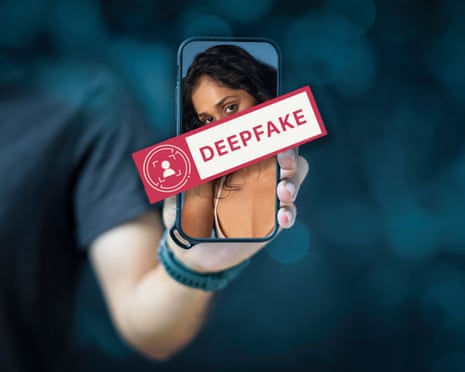
NSFW deepfakes, “AI undress” outputs, alongside clothing removal tools exploit public pictures and weak privacy habits. You can materially reduce individual risk with one tight set containing habits, a prebuilt response plan, alongside ongoing monitoring to catches leaks quickly.

This guide presents a practical 10-step firewall, explains current risk landscape surrounding “AI-powered” adult AI tools and nude generation apps, and gives you actionable strategies to harden individual profiles, images, alongside responses without filler.

Who faces the highest risk and why?

People with an large public photo footprint and predictable routines are exploited because their images are easy when scrape and match to identity. Students, creators, journalists, service workers, and people in a relationship ending or harassment situation face elevated risk.

Youth and young individuals are at special risk because contacts share and mark constantly, and harassers use “online explicit generator” gimmicks when intimidate. Public-facing positions, online dating accounts, and “virtual” network membership add exposure via reposts. Gender-based abuse means numerous women, including one girlfriend or companion of a prominent person, get targeted in retaliation or for coercion. This common thread stays simple: available pictures plus weak security equals attack surface.

How do NSFW deepfakes really work?

Modern generators use sophisticated or GAN systems trained on extensive image sets to predict plausible body structure under clothes plus synthesize “realistic adult” textures. Older systems like Deepnude remained crude; today’s “machine learning” undress app presentation masks a similar pipeline with better ainudez pose control and cleaner outputs.

These systems don’t “reveal” your body; they generate a convincing manipulation conditioned on individual face, pose, plus lighting. When a “Clothing Removal Tool” or “Machine Learning undress” Generator becomes fed your images, the output can look believable sufficient to fool typical viewers. Attackers merge this with doxxed data, stolen direct messages, or reposted images to increase intimidation and reach. Such mix of believability and distribution velocity is why defense and fast response matter.

The 10-step privacy firewall

You are unable to control every redistribution, but you have the ability to shrink your exposure surface, add obstacles for scrapers, alongside rehearse a rapid takedown workflow. Consider the steps following as a layered defense; each level buys time and reduces the probability your images finish up in one “NSFW Generator.”

The stages build from defense to detection toward incident response, alongside they’re designed when be realistic—no flawless execution required. Work using them in order, then put calendar reminders on the recurring ones.

Step 1 — Protect down your picture surface area

Control the raw content attackers can supply into an nude generation app by controlling where your appearance appears and the amount of many high-resolution photos are public. Commence by switching individual accounts to restricted, pruning public galleries, and removing previous posts that display full-body poses under consistent lighting.

Request friends to control audience settings for tagged photos alongside to remove individual tag when anyone request it. Examine profile and header images; these remain usually always visible even on limited accounts, so pick non-face shots or distant angles. Should you host any personal site or portfolio, lower picture clarity and add tasteful watermarks on image pages. Every removed or degraded source reduces the level and believability regarding a future deepfake.

Step 2 — Make individual social graph harder to scrape

Attackers scrape contacts, friends, and romantic status to exploit you or your circle. Hide friend lists and fan counts where available, and disable public visibility of personal details.

Turn off public tagging or require tag verification before a post appears on your profile. Lock down “People You Might Know” and contact syncing across networking apps to avoid unintended network access. Keep direct messages restricted to trusted users, and avoid “open DMs” unless someone run a separate work profile. When you must maintain a public account, separate it apart from a private profile and use varied photos and handles to reduce association.

Step Three — Strip data and poison bots

Eliminate EXIF (location, equipment ID) from photos before sharing to make targeting alongside stalking harder. Most platforms strip EXIF on upload, however not all chat apps and remote drives do, thus sanitize before sending.

Disable phone geotagging and live photo features, that can leak GPS data. If you maintain a personal website, add a robots.txt and noindex markers to galleries for reduce bulk collection. Consider adversarial “image cloaks” that include subtle perturbations designed to confuse facial recognition systems without obviously changing the image; they are never perfect, but such tools add friction. Concerning minors’ photos, trim faces, blur characteristics, or use stickers—no exceptions.

Step 4 — Harden individual inboxes and DMs

Many harassment campaigns start by tricking you into transmitting fresh photos plus clicking “verification” connections. Lock your accounts with strong credentials and app-based two-factor authentication, disable read notifications, and turn away message request previews so you don’t get baited using shock images.

Treat every request for selfies as a phishing attempt, even from users that look familiar. Do not transmit ephemeral “private” images with strangers; screenshots and second-device captures are trivial. Should an unknown contact claims to own a “nude” plus “NSFW” image showing you generated using an AI clothing removal tool, do not negotiate—preserve evidence plus move to personal playbook in Section 7. Keep a separate, locked-down account for recovery alongside reporting to prevent doxxing spillover.

Step 5 — Watermark and sign individual images

Clear or semi-transparent marks deter casual re-use and help individuals prove provenance. Regarding creator or commercial accounts, add C2PA Content Credentials (origin metadata) to originals so platforms and investigators can validate your uploads later.

Keep original data and hashes in a safe repository so you can demonstrate what anyone did and never publish. Use consistent corner marks plus subtle canary information that makes modification obvious if people tries to delete it. These strategies won’t stop a determined adversary, but they improve takedown success and reduce disputes with platforms.
Step 6 — Monitor your name and face proactively

Early detection shrinks distribution. Create alerts concerning your name, identifier, and common misspellings, and periodically perform reverse image searches on your frequently used profile photos.

Search sites and forums where adult AI tools and “online adult generator” links spread, but avoid interacting; you only require enough to document. Consider a low-cost monitoring service and community watch organization that flags reposts to you. Store a simple document for sightings including URLs, timestamps, alongside screenshots; you’ll utilize it for ongoing takedowns. Set any recurring monthly notification to review protection settings and perform these checks.

Step 7 — What must you do in the first 24 hours after one leak?

Move quickly: capture evidence, send platform reports via the correct guideline category, and direct the narrative using trusted contacts. Never argue with attackers or demand eliminations one-on-one; work through formal channels to can remove content and penalize profiles.

Take full-page images, copy URLs, and save post numbers and usernames. File reports under “non-consensual intimate imagery” or “synthetic/altered sexual content” so you hit the right enforcement queue. Ask a trusted friend to help triage during you preserve psychological bandwidth. Rotate access passwords, review associated apps, and strengthen privacy in when your DMs or cloud were also targeted. If minors are involved, contact your local digital crime unit immediately in addition to service reports.

Step 8 — Documentation, escalate, and report legally

Document everything inside a dedicated location so you can escalate cleanly. Within many jurisdictions someone can send legal or privacy takedown notices because numerous deepfake nudes remain derivative works from your original pictures, and many platforms accept such demands even for manipulated content.

Where applicable, utilize GDPR/CCPA mechanisms to request removal of data, including harvested images and profiles built on those. File police reports when there’s blackmail, stalking, or underage individuals; a case number often accelerates service responses. Schools plus workplaces typically maintain conduct policies including deepfake harassment—escalate using those channels should relevant. If you can, consult a digital rights organization or local legal aid for personalized guidance.

Step 9 — Protect underage individuals and partners within home

Have any house policy: absolutely no posting kids’ images publicly, no bathing suit photos, and no sharing of other people’s images to each “undress app” for a joke. Inform teens how “AI-powered” adult AI applications work and why sending any image can be weaponized.

Enable device passcodes and disable remote auto-backups for personal albums. If a boyfriend, girlfriend, or partner shares images with you, establish on storage guidelines and immediate deletion schedules. Use private, end-to-end encrypted apps with disappearing communications for intimate content and assume recordings are always possible. Normalize reporting suspicious links and users within your household so you see threats early.

Step 10 — Create workplace and academic defenses

Institutions can blunt attacks by preparing ahead of an incident. Publish clear policies including deepfake harassment, involuntary images, and “adult” fakes, including penalties and reporting paths.

Create a primary inbox for immediate takedown requests alongside a playbook including platform-specific links for reporting synthetic sexual content. Train administrators and student leaders on recognition signs—odd hands, distorted jewelry, mismatched reflections—so false detections don’t spread. Keep a list of local resources: attorney aid, counseling, plus cybercrime contacts. Execute tabletop exercises annually so staff realize exactly what they should do within the first hour.

Risk landscape overview

Numerous “AI nude synthesis” sites market velocity and realism while keeping ownership opaque and moderation reduced. Claims like “our service auto-delete your photos” or “no keeping” often lack audits, and offshore servers complicates recourse.

Brands in this category—such as N8ked, DrawNudes, UndressBaby, AINudez, Nudiva, and Adult Generator—are typically marketed as entertainment however invite uploads of other people’s photos. Disclaimers rarely halt misuse, and rule clarity varies among services. Treat every site that handles faces into “explicit images” as a data exposure plus reputational risk. Your safest option remains to avoid interacting with them and to warn friends not to upload your photos.

Which AI ‘clothing removal’ tools pose the biggest privacy threat?

The riskiest services are those having anonymous operators, ambiguous data retention, and no visible procedure for reporting unauthorized content. Any application that encourages uploading images of someone else is a red flag regardless of output quality.

Look for open policies, named organizations, and independent audits, but remember why even “better” guidelines can change suddenly. Below is a quick comparison structure you can use to evaluate each site in that space without needing insider knowledge. Should in doubt, do not upload, and advise your network to do the same. The best prevention is denying these tools from source material plus social legitimacy.

Attribute Danger flags you may see Safer indicators to check for What it matters
Operator transparency No company name, zero address, domain protection, crypto-only payments Verified company, team page, contact address, regulator info Unknown operators are more difficult to hold liable for misuse.
Information retention Vague “we may keep uploads,” no removal timeline Clear “no logging,” removal window, audit badge or attestations Kept images can leak, be reused in training, or sold.
Moderation Absent ban on other people’s photos, no underage policy, no complaint link Clear ban on non-consensual uploads, minors identification, report forms Missing rules invite exploitation and slow removals.
Jurisdiction Hidden or high-risk international hosting Known jurisdiction with enforceable privacy laws Personal legal options depend on where that service operates.
Provenance & watermarking No provenance, encourages distributing fake “nude photos” Supports content credentials, labels AI-generated outputs Identifying reduces confusion plus speeds platform intervention.

Several little-known facts that improve your odds

Small technical and legal realities might shift outcomes to your favor. Utilize them to adjust your prevention plus response.

First, EXIF information is often stripped by big networking platforms on upload, but many chat apps preserve data in attached files, so sanitize before sending rather instead of relying on sites. Second, you can frequently use intellectual property takedowns for modified images that had been derived from individual original photos, since they are continue to be derivative works; sites often accept those notices even during evaluating privacy demands. Third, the content authentication standard for media provenance is building adoption in creator tools and select platforms, and including credentials in originals can help you prove what you published if forgeries circulate. Fourth, reverse picture searching with a tightly cropped facial area or distinctive element can reveal reshares that full-photo queries miss. Fifth, many platforms have a dedicated policy category regarding “synthetic or modified sexual content”; choosing the right classification when reporting speeds removal dramatically.

Final checklist you can copy

Review public photos, lock accounts you don’t need public, alongside remove high-res full-body shots that attract “AI undress” targeting. Strip metadata on anything you upload, watermark what has to stay public, alongside separate public-facing profiles from private accounts with different usernames and images.

Set regular alerts and reverse searches, and maintain a simple crisis folder template ready for screenshots alongside URLs. Pre-save reporting links for main platforms under “unauthorized intimate imagery” alongside “synthetic sexual content,” and share personal playbook with a trusted friend. Set on household policies for minors alongside partners: no uploading kids’ faces, absolutely no “undress app” tricks, and secure devices with passcodes. If a leak happens, execute: evidence, site reports, password rotations, and legal elevation where needed—without engaging harassers directly.

Gana En Casa: verificación de identidad y seguridad del jugador en Argentina

¿Qué permite establecer la información disponible sobre la verificación de identidad en Gana En Casa? La pregunta es relevante porque los procedimientos de conocimiento del cliente se relacionan con la forma en que una plataforma identifica a quienes la usan. Sin embargo, para responder con rigor hay que distinguir entre lo que afirma una nota de investigación, lo que esa nota no permite comprobar y lo que no corresponde inferir a partir de ella.

Este análisis se limita al material retenido para el mercado argentino y a un punto central: la descripción de los procedimientos de prevención de lavado de dinero y conocimiento del cliente, conocidos por sus siglas en inglés AML y KYC. No presenta esa descripción como una comprobación independiente ni la convierte en una conclusión legal sobre la marca.

Gana En Casa: verificación de identidad y seguridad del jugador en Argentina

Pregunta y alcance del análisis

La pregunta de investigación es acotada: ¿qué dice el registro disponible sobre los procedimientos de verificación de identidad de Gana En Casa Casino y con qué grado de certeza puede comunicarse esa información? La respuesta depende de respetar la atribución y el alcance del registro, no de completar los vacíos con supuestos sobre cómo suelen funcionar otros servicios.

El material seleccionado es una nota de investigación de septiembre de 2026, clasificada en la categoría de políticas y enlaces directos, con alcance de mercado es-AR. Esa nota afirma que los procedimientos AML y KYC en Gana En Casa Casino son inexistentes o se aplican de forma distorsionada con fines obstructivos. La formulación es atribuida: describe lo que sostiene el registro, pero no aporta por sí sola una verificación independiente de cada procedimiento ni permite determinar cuál de las dos posibilidades se aplicaría en una situación concreta.

Por eso, el artículo trata esa afirmación como un hallazgo reportado, no como un hecho demostrado aquí. La diferencia importa: comunicar fielmente una evaluación almacenada no equivale a certificarla, y una afirmación general no permite reconstruir la experiencia de cada persona.

Método y criterios de lectura

La lectura se organizó alrededor de cuatro criterios. Primero, identificar qué afirma directamente el registro sobre AML y KYC. Segundo, conservar su carácter atribuido y su alcance argentino. Tercero, separar la afirmación de cualquier interpretación adicional que el material no respalde. Cuarto, señalar con claridad qué aspectos no quedan establecidos por la evidencia seleccionada.

El criterio de atribución evita que una evaluación de la nota se transforme en una declaración propia del artículo. El criterio de alcance impide trasladar la observación a otros mercados o a todas las variantes del nombre. El criterio de incertidumbre conserva la alternativa expresada en el registro —procedimientos inexistentes o aplicados de forma distorsionada— sin escoger una de ellas ni presentarlas como resultados comprobados por separado.

Este método también limita el tipo de conclusión posible. El registro permite informar qué evaluación contiene la nota; no permite, por sí solo, describir un proceso operativo paso a paso, establecer cómo se trataría un caso individual ni determinar qué documentación podría solicitarse. Esos puntos no quedan establecidos por la evidencia seleccionada.

Hallazgo principal: qué reporta la nota

La nota de investigación retenida reporta que los procedimientos de prevención de lavado de dinero y conocimiento del cliente en Gana En Casa Casino son inexistentes o se aplican de forma distorsionada con fines obstructivos. Esta es la afirmación central para analizar la verificación de identidad. Debe leerse como una evaluación atribuida al registro, no como una constatación independiente presentada en este artículo.

La redacción reúne dos posibilidades distintas. Una es que los procedimientos no existan; la otra, que se apliquen de una manera que la nota califica como distorsionada y obstructiva. El registro no desglosa esas posibilidades en casos, etapas o ejemplos verificables dentro del material disponible. Por lo tanto, no corresponde elegir una como explicación confirmada ni añadir detalles sobre cómo se produciría esa aplicación.

Según el registro, Gana En Casa y sus procedimientos de conocimiento del cliente no existen o se aplican de forma distorsionada con fines obstructivos.

También conviene distinguir el tema de identidad del alcance más amplio de la afirmación. KYC se refiere aquí a conocimiento del cliente, mientras que AML alude a prevención de lavado de dinero. La nota los menciona conjuntamente; no ofrece en el registro seleccionado una descripción separada de cada procedimiento. En consecuencia, el hallazgo puede resumirse como una afirmación conjunta sobre AML y KYC, pero no como una auditoría detallada de cada componente.

Qué significa —y qué no significa— la formulación

Para una persona que recién empieza a investigar el tema, la expresión “verificación de identidad” puede sugerir un proceso uniforme y fácil de observar. La evidencia disponible no permite describir uno. Lo que sí permite decir, con atribución, es que la nota caracteriza los procedimientos AML y KYC de la manera indicada. No permite afirmar qué pasos se siguen en una interacción particular ni si una persona concreta atravesó un proceso determinado.

La alternativa entre procedimientos inexistentes y procedimientos aplicados de forma distorsionada debe conservarse tal como aparece. No es una medición de frecuencia, una comparación entre usuarios ni una explicación de causas. Tampoco establece por sí misma que todas las interacciones sean iguales. Convertir esa frase en una descripción universal de cada caso excedería el contenido del registro.

Del mismo modo, la palabra “obstructivos” forma parte de la valoración atribuida a la nota. No debe separarse de su fuente ni presentarse como una conclusión independiente del artículo. Mantener esa atribución permite que el lector distinga entre el contenido del material de investigación y el nivel de comprobación que este análisis puede sostener.

Alcance geográfico y límites de la evidencia

El registro seleccionado está marcado para el mercado es-AR. Esa etiqueta delimita el contexto al que se refiere la nota; no autoriza a extender la afirmación a otros países ni a tratarla como una descripción universal de cualquier servicio que use un nombre parecido. El análisis conserva, por tanto, el alcance argentino indicado en el material.

La evidencia disponible para esta pregunta consiste en una afirmación atribuida dentro de una nota de investigación. En el material seleccionado no se aportan elementos que permitan verificar de manera independiente el funcionamiento de los procedimientos, comparar su aplicación entre situaciones o resolver cuál de las dos posibilidades descritas corresponde a un caso concreto. Esta limitación no refuta la afirmación, pero sí restringe lo que puede presentarse como establecido.

La ausencia de esos elementos en el material seleccionado tampoco demuestra que no existan fuera de él. Solo significa que esta base no los establece. Por eso, el artículo no completa la información con prácticas habituales de otras plataformas, con supuestos sobre el tratamiento de datos ni con detalles operativos que no aparecen en el registro pertinente.

Lecturas que conviene evitar

Una lectura demasiado fuerte sería convertir la afirmación de la nota en una verificación independiente. El registro no cambia de naturaleza por ser reproducido en un artículo: sigue siendo una evaluación atribuida. Una lectura demasiado específica sería escoger entre “inexistentes” y “aplicados de forma distorsionada” como si la evidencia hubiera identificado una sola situación. La formulación disponible mantiene ambas alternativas.

También sería excesivo inferir a partir de esta nota cómo se resuelve una interacción individual o qué resultado tendría una consulta concreta. El material seleccionado no establece esos resultados. La conclusión debe permanecer en el mismo nivel que la evidencia: informar lo que la nota reporta y reconocer lo que no permite determinar.

Por último, el alcance de la afirmación no debe ampliarse más allá del tema que trata. La nota se refiere a procedimientos AML y KYC; no constituye, por sí sola, una descripción completa de todas las políticas de la marca ni una evaluación independiente de cada aspecto de su funcionamiento. Mantener esa separación evita que una observación puntual se convierta en una conclusión más amplia sin respaldo en el registro seleccionado.

Conclusión

Para la pregunta sobre verificación de identidad, el hallazgo disponible es concreto pero limitado: una nota de investigación de septiembre de 2026, con alcance es-AR, reporta que los procedimientos AML y KYC de Gana En Casa Casino son inexistentes o se aplican de forma distorsionada con fines obstructivos. Esa formulación debe conservarse como una afirmación atribuida, no como una comprobación independiente ni como una descripción confirmada de cada caso.

La evidencia seleccionada no permite decidir entre las dos posibilidades expresadas ni detallar cómo se aplicaría un procedimiento en una situación particular. Así, la conclusión más fiel es distinguir entre lo que la nota reporta y lo que el material disponible no establece. Esa separación ofrece una respuesta clara sin convertir una evaluación atribuida en una certeza mayor que la respaldada por el registro.

Mini-FAQ

¿Qué afirma el registro sobre la verificación de identidad?

La nota de investigación reporta que los procedimientos AML y KYC son inexistentes o se aplican de forma distorsionada con fines obstructivos. Es una afirmación atribuida al registro, no una verificación independiente presentada aquí.

¿La evidencia determina cuál de las dos posibilidades ocurre?

No. La formulación retenida presenta ambas posibilidades y el material seleccionado no establece cuál correspondería a una situación concreta.

¿A qué mercado se refiere el análisis?

El registro seleccionado tiene alcance es-AR. El análisis conserva ese ámbito y no extiende la afirmación a otros mercados.

¿La nota permite describir cada paso de un proceso de identidad?

No. La evidencia seleccionada contiene una afirmación conjunta sobre AML y KYC, pero no establece un procedimiento detallado ni cómo se aplicaría en un caso individual.

Ruletka Francuska Zasady: Twoje Kompletne Przewodnik

Zasady ruletki francuskiej są jednymi z najbardziej popularnych w kasynach online i stacjonarnych. Gra ta przyciąga graczy swoim eleganckim stylem i prostotą zasad, jednocześnie oferując ekscytujące emocje i szansę na duże wygrane. Jeśli jesteś fanem ruletki francuskiej lub dopiero zaczynasz swoją przygodę z tą grą, ten artykuł jest dla Ciebie. Lanjutkan membaca →

Trusted Leaderboard Challenge: A Different Way to Compete

If you’re hunting for a leaderboard challenge that feels like more than a flashy welcome bonus, you’re not alone. I’ve spent years managing country operations for a major operator and building affiliate funnels down here, so I know the difference between a marketing stunt and something that actually pays out over time. This trusted leaderboard challenge Lanjutkan membaca →

The Ultimate Guide to $10 Deposit Casinos

Are you looking to play casino games online but don’t want to break the bank? $10 deposit casinos could be the perfect solution for you. In this comprehensive guide, we will explore everything you need to know about $10 deposit casinos, including the best sites to play on, tips for winning, and much more.

What are $10 Deposit Casinos?

$10 deposit casinos are online gambling platforms where players can make a minimum deposit of $10 to start playing games. These casinos offer a wide range of games, including slots, table games, and live dealer games, allowing players to enjoy the thrill of gambling without having to spend a lot of money.

Advantages of $10 Deposit Casinos

  • Low minimum deposit requirement
  • Access to a wide range of games
  • Potential for big wins with a small investment
  • Opportunity to test out new casinos without committing a large amount of power up roulette strategy money
  • Availability of bonuses and promotions for players

Disadvantages of $10 Deposit Casinos

  • Limited selection of games compared to higher deposit casinos
  • Lower maximum payouts
  • Higher wagering requirements for bonuses
  • Potential for losing money quickly with small bets

Best $10 Deposit Casinos

Casino Minimum Deposit Games Available Bonuses
888 Casino $10 Slots, Table Games, Live Dealer 100% Welcome Bonus
LeoVegas $10 Slots, Table Games, Live Dealer Free Spins
PlayOJO $10 Slots, Table Games, Live Dealer No Wagering Requirements

Gameplay and Features

When playing at $10 deposit casinos, players can enjoy a variety of games, including popular titles like slots, blackjack, roulette, and more. These casinos often offer innovative features such as live dealer games and progressive jackpots, providing an exciting and immersive gaming experience.

House Edge

The house edge in $10 deposit casinos can vary depending on the game being played. Generally, slots have a higher house edge compared to table games like blackjack and baccarat. It is important for players to understand the house edge of the games they are playing to make informed decisions about their bets.

Payouts

When it comes to payouts in $10 deposit casinos, players can expect to receive winnings based on the odds of the games they are playing. It is essential to familiarize yourself with the payout rates of different games to maximize your chances of winning.

Tips for Playing at $10 Deposit Casinos

  • Set a budget and stick to it
  • Take advantage of bonuses and promotions
  • Play games with a lower house edge
  • Avoid chasing losses
  • Practice responsible gambling

Stay tuned for more tips and strategies on how to win at $10 deposit casinos in our next article!

The Best $10 AUD Deposit Online Casinos: Your Ultimate Guide

Introduction

Are you looking to play at online casinos with just a $10 AUD deposit? Look no further! In this comprehensive guide, we will explore the top online casinos where you can make a minimum deposit of $10 AUD and still enjoy a fantastic gaming experience. As a seasoned player with 15 years of experience in the industry, I have compiled a list of reputable casinos that offer a wide range of games, exciting bonuses, and secure payment options for players on a budget.

Top $10 AUD Deposit Online Casinos

1.**Spin Casino**: Spin Casino is a popular online casino that offers a generous welcome bonus for new players who deposit $10 AUD. With a wide selection of slots, table games, and live dealer games, Spin Casino provides a thrilling gaming experience for all types of players.

2.**Jackpot City Casino**: Jackpot City Casino is another top choice for players looking to make a $10 AUD deposit. The casino boasts a massive selection of games from leading software providers, as well as lucrative bonuses and promotions for both new and existing players.

3.**Royal Vegas Casino**: Royal Vegas Casino is known for its high-quality games, secure railsbridge-montreal.com payment options, and excellent customer service. With a minimum deposit of $10 AUD, players can enjoy a wide variety of games, including slots, table games, and progressive jackpots.

Advantages of Playing at $10 AUD Deposit Online Casinos

  • Low entry cost for players on a budget
  • Wide variety of games to choose from
  • Generous bonuses and promotions
  • Secure payment options for safe transactions
  • Accessible on multiple devices, including mobile phones, desktops, and tablets

Comparative Table of $10 AUD Deposit Online Casinos

Online Casino Games Payment Options Mobile Compatibility
Spin Casino Slots, Table Games, Live Dealer Credit/Debit Cards, e-wallets Yes
Jackpot City Casino Slots, Table Games, Live Dealer Credit/Debit Cards, Bank Transfer Yes
Royal Vegas Casino Slots, Table Games, Progressive Jackpots Credit/Debit Cards, e-wallets Yes

Checking the Fairness of the Game

Players may have concerns about the fairness of online casino games. Here are 3 tips to ensure a fair gaming experience:

  1. Look for casinos with a valid gaming license from a reputable jurisdiction.
  2. Read reviews from other players to gauge the casino’s reputation for fairness.
  3. Use reputable software providers known for their fair gaming practices.

Conclusion

Playing at $10 AUD deposit online casinos offers an affordable and exciting gaming experience for players of all levels. With a wide selection of games, generous bonuses, and secure payment options, these casinos provide a top-notch gaming experience without breaking the bank. Whether you’re a seasoned player or a newcomer to the online casino world, these casinos are sure to provide hours of entertainment and the chance to win big!

Cocoa: análise dos termos do bónus de boas-vindas

Pergunta de investigação

O que permitem concluir os registos disponíveis sobre os termos do bónus de boas-vindas do Cocoa Casino, e que informação contratual identificam como relevante para os interpretar? A análise centra-se em dois elementos: a indicação de onde se encontram os documentos contratuais e a descrição registada da oferta promocional. O objetivo é separar o que esses registos afirmam do que não permitem estabelecer, sem transformar uma descrição resumida numa leitura integral das condições.

Esta delimitação é importante porque um valor promocional, isoladamente, não descreve todas as regras aplicáveis. A evidência selecionada permite identificar uma oferta e apontar para os documentos que enquadram contratualmente o serviço e as promoções. Não fornece, porém, o texto integral desses documentos nem uma análise detalhada de cada condição. Por isso, a conclusão deve permanecer proporcional ao alcance dos registos.

Cocoa: análise dos termos do bónus de boas-vindas

Método e critérios de leitura

Foram considerados dois registos de investigação retidos no dossiê, ambos com âmbito de mercado pt-PT e classificados como notas de investigação. Um registo trata dos documentos contratuais e da sua localização no website do operador; o outro descreve a oferta de boas-vindas, incluindo a percentagem, o limite máximo, a referência ao primeiro depósito e o depósito mínimo de qualificação. Como ambos são atribuídos a notas de investigação, as respetivas afirmações são apresentadas como informação reportada por esses registos, não como factos verificados de forma independente neste artigo.

A leitura aplica quatro critérios. Primeiro, preserva a atribuição: quando a nota descreve uma condição ou uma oferta, o texto identifica-a como algo que a nota reporta. Segundo, mantém os valores e a formulação temporal tal como foram registados, sem os atualizar ou converter. Terceiro, distingue a existência de uma descrição resumida da possibilidade de interpretar o conjunto das regras. Quarto, assinala os limites da evidência sem preencher lacunas com pressupostos sobre condições que não constam dos registos selecionados.

O âmbito é deliberadamente estreito. A análise não compara o bónus com ofertas de outros operadores, não calcula o valor esperado da promoção e não avalia a sua conveniência para um utilizador. Também não trata a localização dos documentos como prova de que cada condição foi examinada ou de que uma determinada interpretação contratual é correta. A pergunta é mais limitada: o que dizem as notas retidas sobre os termos e que conclusões podem ser sustentadas por essa informação?

O enquadramento contratual indicado

A nota de investigação sobre políticas e ligações diretas afirma que o enquadramento contratual do Cocoa Casino está estipulado nos seus Termos e Condições Gerais de Serviço e na Política de Bónus e Promoções. A mesma nota indica que esses documentos são acessíveis diretamente através do rodapé do website do operador. Esta é uma indicação sobre os documentos que a nota identifica como relevantes e sobre a localização que lhes atribui; não equivale a uma reprodução do seu conteúdo.

Para interpretar uma oferta, esta distinção é central. A nota aponta para dois documentos com funções contratuais ou promocionais, mas não transcreve as cláusulas aplicáveis ao bónus de boas-vindas. Assim, permite dizer onde o registo situa o enquadramento documental, mas não permite descrever em detalhe todas as regras que possam constar desses textos. A existência de uma referência à Política de Bónus e Promoções não deve ser confundida com uma análise completa dessa política.

Também importa não ampliar a afirmação. O registo não fornece, no material selecionado, uma avaliação cláusula a cláusula, nem estabelece como se resolveria uma eventual divergência entre a descrição resumida da oferta e o texto contratual. A conclusão metodologicamente adequada é, portanto, limitada: segundo a nota retida, os documentos identificados são os Termos e Condições Gerais de Serviço e a Política de Bónus e Promoções, acessíveis pelo rodapé do website.

O que a nota reporta sobre a oferta

A nota de investigação sobre bónus e promoções, datada de maio de 2026, descreve a oferta de boas-vindas como um bónus de correspondência de 200% até ao limite máximo de 3.000 $/€ sobre o primeiro depósito efetuado. A mesma nota reporta um depósito mínimo de qualificação de 25 $/€. Estes valores são aqui reproduzidos como constam do registo, sem conversão, atualização ou inferência sobre a moeda aplicável a um utilizador específico.

A descrição permite identificar os componentes que a nota associa à oferta: uma percentagem de correspondência, um limite máximo, a referência ao primeiro depósito e um mínimo de qualificação. Não permite, por si só, calcular o montante que seria atribuído num caso concreto. Para esse cálculo seriam necessárias, pelo menos, as regras completas que determinam como a percentagem e o limite se aplicam ao depósito elegível; essas regras não estão transcritas no registo selecionado.

Há ainda uma diferença entre uma condição resumida e um conjunto completo de termos. A nota reporta o mínimo de qualificação e o limite máximo, mas não fornece uma exposição integral das condições da promoção. Por isso, não se deve inferir que os valores resumidos esgotam os requisitos, nem atribuir à oferta regras adicionais que não aparecem na evidência. A formulação segura é a mais estreita: a nota descreve a oferta com aqueles parâmetros e remete, no plano documental, para a Política de Bónus e Promoções identificada no outro registo.

Como relacionar a oferta com os documentos

Lidos em conjunto, os dois registos cumprem papéis diferentes. A nota sobre políticas identifica os documentos que, segundo o registo, enquadram contratualmente o serviço e as promoções. A nota sobre bónus resume os parâmetros da oferta de boas-vindas. A primeira não confirma, por si só, cada valor da segunda; a segunda não substitui o texto dos documentos contratuais. A relação entre ambas é útil para organizar a leitura, mas não elimina a diferença entre uma referência documental e uma descrição promocional resumida.

A nota de investigação caracteriza o Cocoa Casino como uma marca histórica de iGaming, fundada originalmente em 2006 e conhecida principalmente por operar sob a plataforma de jogos da Rival Gaming, com foco no mercado internacional de casinos online (https://cocoacasino-pt.com/free-spins).

Esta separação evita uma interpretação excessiva. A indicação de que existe uma Política de Bónus e Promoções não demonstra que a nota sobre a oferta reproduza todas as suas disposições. Do mesmo modo, a descrição de uma percentagem e de limites não estabelece, sem o texto integral, como cada disposição se aplica em todas as circunstâncias. O dossiê permite identificar os elementos reportados, mas não fornece base suficiente para reconstruir o contrato completo a partir deles.

Também não é possível tratar a data associada à nota promocional como confirmação de que os mesmos termos se mantêm noutra data. O registo situa a descrição em maio de 2026; não apresenta uma sequência de versões nem uma verificação posterior. Assim, a data deve ser preservada como parte do contexto da nota, e não convertida numa afirmação de atualidade contínua.

Limites, incerteza e leituras a evitar

O principal limite é a granularidade da evidência. Os registos selecionados fornecem uma indicação sobre os documentos relevantes e um resumo da oferta, mas não incluem o texto integral dos termos nem uma análise detalhada das cláusulas. Consequentemente, não estabelecem todas as condições de elegibilidade, a forma completa de aplicação dos valores ou a interpretação de cada disposição. Esta limitação descreve o alcance do material fornecido; não é uma afirmação de que tais condições existam ou não existam.

Outro limite é a atribuição. As duas afirmações provêm de notas de investigação classificadas como tal. O artigo não as transforma em declarações verificadas de forma independente. A formulação «a nota reporta» é, por isso, mais fiel do que apresentar os parâmetros como uma confirmação autónoma. Esta cautela não invalida o conteúdo do registo; apenas mantém visível a sua natureza e o nível de certeza que o dossiê permite comunicar.

Há três leituras que excederiam a evidência. A primeira seria tratar a descrição resumida como se fosse o texto completo das condições. A segunda seria deduzir, apenas a partir dos valores, o resultado de um depósito concreto. A terceira seria apresentar a data da nota como garantia de que a oferta permanece igual fora do período registado. Nenhuma dessas conclusões é estabelecida pelos dois registos selecionados.

O âmbito pt-PT dos registos também deve ser preservado sem acrescentar uma conclusão específica sobre a aplicação da oferta a cada utilizador em Portugal. A evidência selecionada não fornece uma análise individual de elegibilidade nem uma interpretação completa dos termos para casos concretos. Quando a pergunta ultrapassa o resumo da oferta e a identificação dos documentos, os registos fornecidos não a estabelecem.

Conclusão

Os registos retidos permitem uma conclusão delimitada sobre os termos do bónus de boas-vindas do Cocoa Casino. Segundo uma nota de investigação, o enquadramento contratual é apresentado nos Termos e Condições Gerais de Serviço e na Política de Bónus e Promoções, acessíveis através do rodapé do website do operador. Segundo outra nota, datada de maio de 2026, a oferta é descrita como uma correspondência de 200% até 3.000 $/€, sobre o primeiro depósito, com um mínimo de qualificação de 25 $/€.

Estes elementos respondem à pergunta apenas ao nível do resumo disponível: identificam os documentos apontados pela investigação e os parâmetros promocionais que a nota reporta. Não substituem a leitura integral dos termos nem estabelecem todas as regras de aplicação. A conclusão mais rigorosa é, portanto, distinguir claramente a descrição da oferta do seu enquadramento documental e não atribuir aos registos um alcance que não têm.

Mini-FAQ

Que documentos são identificados como enquadramento contratual?

A nota de investigação sobre políticas identifica os Termos e Condições Gerais de Serviço e a Política de Bónus e Promoções, e afirma que são acessíveis através do rodapé do website do operador. O registo não reproduz o conteúdo integral desses documentos.

Que parâmetros da oferta de boas-vindas são reportados?

A nota de investigação datada de maio de 2026 descreve uma correspondência de 200% até 3.000 $/€ sobre o primeiro depósito e um mínimo de qualificação de 25 $/€. Estes valores são apresentados como informação reportada pela nota.

Os registos permitem reconstruir todas as condições do bónus?

Não. Os registos selecionados resumem parâmetros da oferta e identificam documentos contratuais, mas não fornecem o texto integral nem uma análise completa das condições. O que excede esse resumo não fica estabelecido pela evidência fornecida.

Como deve ser entendida a data de maio de 2026?

É a data associada à nota que descreve a oferta. O registo não fornece uma sequência de versões nem uma confirmação posterior, pelo que a data não estabelece que os mesmos termos se mantenham noutras datas.

YSL Statement Leather Goods Crafted in Paris

Looking After The Row Leather, Suede and Raffia Bags

Buy one of these bags and you quickly notice what is missing. No logo plaque needs protecting, no coated canvas to wipe down, no weight of hardware absorbing the knocks. Instead you have a great deal of exposed surface: calfskin that shows its grain, lambskin linings, suede that takes a mark from a glance, and in summer a raffia weave left entirely unsealed. Care for The Row bags rests almost wholly on the material rather than on a finish laid over it. That leaves them simple to look after, and unforgiving of mistakes.

Material is the organising principle here, because that is how the decisions actually break down. Opposite treatment goes to a grained calfskin tote and a suede top handle from the same season, while a sisal bag is different again.

A necessary caveat on care instructions

Nothing resembling a public care protocol has been issued, since The Row issues none. There is neither a manual nor a published cleaning chart, and no brand-approved products are sold with them. Everything below is therefore material-appropriate general guidance, based on how calfskin, lambskin, suede, canvas and raffia actually behave rather than from instructions issued by the label. Cautious, conservative and inclined to do less is how a good leather specialist works, which is the right posture here. No definitive brand-issued cleaning routine exists for these bags, so anyone presenting one is filling a gap rather than quoting a source. Before anything goes onto a bag you care about, ask a professional.

What you do matters more than what you buy

The bulk of the damage to a good bag comes from routine handling, and the remedies are behavioural rather than chemical. With the Margaux and the Park Tote in particular, overfilling is the usual mistake, and it distorts a soft silhouette faster than anything. Adjusting the shape is what the belted side gussets on the Soft Margaux are for, and are not a licence to force more in. Sunlight both dries and fades leather; radiators and car dashboards do it faster. Rain does more harm than people assume on unfinished surfaces, and suede and raffia have next to no defence against it. Nothing on large tote bag a shelf matches the effect of keeping a bag clear of sun, heat and water.

  • Before storage, empty the bag completely, receipts and anything that can transfer colour included.
  • Avoid hanging a soft bag by its handles for any length of time, because the handle drop will stretch.
  • Keep pens, keys and cosmetics in a pouch rather than leaving them loose against the lining.
  • Handle pale calfskin and untreated suede only with washed hands.

Calfskin, from smooth to polished saddle

The backbone of the line, calfskin, is also the most forgiving material in it. Smooth calfskin reveals scuffs and shine, matte grained calfskin hides them well, and polished saddle leather sits between the two. Routine care stops at a soft dry cloth after use, used with the grain and concentrated on the corners and base where dirt collects. Neutral conditioner can go on sparingly and infrequently, after a test on a hidden panel, and both of those words carry weight. Over-conditioning leaves hide unevenly darkened, produces a tacky surface and softens structure you meant to keep. Because dye moves from dark denim onto pale calfskin, keep light bags away from indigo and never scrub a transferred mark, since scrubbing spreads it.

Nappa and lambskin, usually found inside

Because they appear more often as linings than exteriors, the approach to protecting them changes. Lambskin lines the Margaux Shoulder; the Bourse Clutch has a calfskin exterior and a nappa lining — so the softest material in the bag is the one your keys sit against. Both are exceptionally soft, both take marks easily, and neither takes kindly to being worked on. A dry soft cloth and nothing else is the correct answer, used lightly and rarely. Because the hides are supple as they are, conditioner should be avoided altogether, since over-treatment leaves a greasy sheen that will not come out. The real protection is a pouch inside the bag rather than a product applied to it.

Suede: the most demanding material in the line

Suede is consistently the more expensive choice here, and it demands a matching increase in care. Observed 2026 market prices make the gap obvious: India 10.00 sits at $3,850 in leather against $5,370 in suede, and Agnes 15 is $5,000 in leather against $5,800 in suede. For the premium you get a nap that flattens, soaks up and stains faster than any finished hide. Caring for suede is mechanical, not chemical, which is the thing most owners miss. Most routine wear is handled by a dedicated suede brush alone, used gently in one direction to lift the nap and clear surface dust. Anything wetter goes to a professional.

  1. Brush gently after every wear, working with the nap rather than scrubbing across it.
  2. A wet bag should dry naturally at room temperature, well away from radiators and hairdryers, then brush once it is fully dry.
  3. Lift dry marks with a suede eraser using minimal pressure.
  4. Do not attempt anything oily, coloured or set — send it to a leather specialist.

What should never touch suede makes a short, absolute list: no leather cream, no conditioner, no wet wipes, no soap, no water-based cleaner. What you get is a matted nap, or a ring that shows in every light. Regular brushing does more over a year than any treatment, which makes prevention rather than repair the realistic standard.

Raffia, sisal, canvas, nylon, silk and satin: what cannot be fixed

These are the least serviceable materials in the brand’s range, and they ought to be bought with that in mind. Neither the sisal family nor the woven raffia and linen totes are tanned surfaces, so there is nothing to condition and no way to refinish a stained panel. Solvents and hard scrubbing distort the weave of canvas and nylon and leave a clean patch that reads as damage, even though both wear well otherwise. On silk and satin, water and skin oils leave permanent marks, the small evening bags and knotted crossbody shapes included. A barely damp cloth, a spot-clean and a quick blot — and that is the whole of home treatment for these materials. Prevention carries the entire load here, so keep them clear of rain and sunscreen.

The material Routine care Avoid entirely
Calfskin in grained and smooth form Soft dry cloth; neutral conditioner, sparingly and rarely Conditioning too often; soaking a mark
The nappa and lambskin surfaces A dry, soft cloth, used with light pressure Conditioner or cream of any kind
Suede nap Suede brush and eraser; a professional for stains Creams, soap, wet wipes and water-based cleaners
Raffia and sisal, canvas and nylon Spot-clean, blot, and let it air dry Soaking, solvents and hard scrubbing
Silk and satin Professional cleaning; keep them dry Trying to clean it yourself

The parts people forget: hardware and linings

The hardware is palladium-plated with a matte or brushed finish, and protecting that finish is the whole job. Keep metal polish away from it: made for shine, it burnishes a deliberately soft finish into something that no longer matches the bag. Buckles and feet want nothing more than a dry cloth, with a proper drying if they get wet so moisture does not sit in the join. On the Margaux the buckles and base feet are engraved, and the recesses trap dust, which a soft brush clears better than a cloth. The cotton herringbone linings in the Soft Margaux 10 and 12 should be vacuumed out, never washed. Check the stitching at the handle roots occasionally, because a loose thread caught early costs a small repair rather than a large one.

How to store them between wears

Good bags deteriorate quietly in storage, and the fix is cheap. Use the dust bag it came with, with light stuffing so the shape holds and the sides do not stretch. Either acid-free tissue or a soft cotton scarf will do the job, though never newspaper, whose ink transfers. Store bags upright on a shelf rather than stacked under others, since the silhouettes hold shape empty and give way under weight. The space should be dark, dry and ventilated, and avoid sealed plastic boxes that trap humidity against leather. Because form comes back to a bag that rests, rotating what you carry matters more than owners expect.

When to hand the bag to a professional

Good row handbags get ruined when the line between maintenance and restoration is crossed at home, and the line itself is clear enough. Send colour loss, ink, oil, water rings on suede and stretched handles to a leather specialist. Structural work is the same, whether that is loose stitching at a stress point or a lining torn away from its seam. Because techniques built for coated canvas do not transfer, find out whether the specialist has handled unlogoed luxury calfskin. The right specialist tests discreetly and says plainly when a mark will not come out cleanly, because untreated hide holds some marks for good. A botched attempt at home leaves a resale discount larger than the cost of one competent intervention.

Explore AMIRI Boots Straight Leg Jean

AMIRI Footwear Beyond Sneakers: Boots, Slip-Ons and Formal Options

One sneaker absorbs almost everything written about amiri shoes. That is fair enough, since the house itself calls the Skel Top Low its signature and the bones motif on it runs through every other category. It does leave a gap for anyone who wants footwear from this label that is not a low-top basketball silhouette. A boot family, a treatment-led boot, a slip-on and a genuine absence where most buyers expect a dress shoe: that is what the record documents outside the sneaker line, and that is what this guide covers. Every price is an observed 2026 market figure, never an official price list, so re-check it before you commit. Where something goes undocumented, this guide says so.

The Ryder Boot Holds This Category Together

If the sneaker line has the Skel-Top, the non-sneaker line has the Ryder Boot. It is the one boot appearing consistently on the brand’s own pages across more than one material, which makes it the reference point rather than a seasonal one-off. It sits above the sneaker band, starting where the most expensive amiri sneakers stop. That position tells you how the house treats boots, as a leather-goods proposition rather than a volume one. The listings behind this guide did not capture construction specifications such as shaft height, lining and sole type. Anyone quoting those with confidence is either reading a current product page you should read yourself, or inventing them.

Three Materials, Three Observed Prices

The Ryder Boot is the clearest example in the whole range of material driving price on an otherwise identical model. Observed prices run $1,090 for the leather, $1,190 for the suede and $1,290 for the python-embossed. That is a two hundred dollar spread on one silhouette, worth remembering before you assume a higher listing means a rarer boot. For comparison, the MX1 jean is also observed at $1,090, and so a Ryder Boot and the signature jean share an entry number. The spread echoes how the label prices jersey and denim, where base construction anchors a band and material lifts it. Read any Ryder listing by checking the material www.amirir.com first and the price second.

The Bandana Buckle Boot

The second documented boot is the Bandana Buckle Boot, and its name tells you most of what it is. Rather than a model in its own right, Bandana is a treatment applied across the line, on jeans, shorts, jersey and this boot. Because the paisley panel takes the same structural position on denim that pleated leather takes on an MX1, the treatment is a substitution rather than a print. Carried onto footwear, it gives a boot that reads as part of a treatment family rather than a standalone silhouette. No observed price was logged for it here, and quoting one would be guesswork. Expect it to mirror other treatment pieces, sitting at or above its category band.

The Laguna Slip-On Undercuts the Whole Sneaker Band

Not everything outside the sneaker line is a piece of boot-shaped footwear. The Laguna Slip-On is recorded at roughly $419, and that makes it the cheapest piece of footwear in this survey by a wide margin. It sits below the entire sneaker band, where the Skel Top Low sits at $650 and the MA-1 sneaker at $799. That gap is worth noticing if your objection to the house is price rather than aesthetic. A slip-on answers a different wardrobe question than a boot, it being a warm-weather piece rather than a statement layer. Treat it as the low-commitment entry to the footwear line, not a lesser version of anything.

Formal Shoes: The Honest Answer

Oxfords, derbies or loafers are what buyers usually mean when they search for formal footwear from this label. No flagship oxford, derby or loafer model surfaced in the sources behind this guide, and the documented record does not support a dress-shoe line as a pillar of this house. That is not the same as proving none has ever existed, and the distinction matters. In practice, the house’s formal register runs through boots worn under tailoring rather than a bench-made dress-shoe programme. If a listing presents an official dress-shoe collection from the brand, verify it on the brand’s own current pages first. The straight summary is that the non-sneaker footwear this label reliably makes is listed below.

  • Ryder Boot, offered in leather, suede and python-embossed versions
  • Bandana Buckle Boot: a treatment applied to footwear
  • Laguna Slip-On, the lowest price point of the footwear line
  • No attested oxford, derby or loafer programme in the sources reviewed

Boots Reshape the Denim You Buy

Boots matter more here than at most labels, and this is the practical reason why. The Stack jean has a deliberately long inseam engineered to concertina at the ankle, and separately the Shotgun exists in versions with the same extended length. That design breaks over a shoe, which means what you put underneath changes how the jean reads. Over a low-top sneaker the stack folds softly, while over a boot shaft it sits cleaner. The house styles this combination itself, and a plain amiri t shirt with stacked denim over a boot is the most recognisable version. If you already own core denim, a boot is as much a change to the jeans as an addition to the shoe rack.

Sizing: The Sneaker Rule Does Not Carry Over

The Skel Top Low is described as true to size, with the brand advising you to take your usual size and round a half size to the nearest whole one. That rule is specific to that shoe and does not stretch across the footwear line. No consistent buyer reporting surfaced for the MA-1, the Stars Court or the long-running Bone Runner, let alone for the boots. Men’s pages carry European sizing that runs from 40 to 48, the only measurement that reliably applies across models. Full last measurements are not published for every style, so nothing here amounts to an official fit chart. For boots in particular, buy through a channel with a workable returns window and be ready to exchange once.

Observed Prices Side by Side

Two sneakers are included purely as reference points alongside the non-sneaker footwear in the table. Every figure is a 2026 market observation rather than an official price list, and the gaps are shown as gaps rather than filled. Reading it, the shape of the line becomes obvious quickly. There is one cheap slip-on, then a broad sneaker band roughly between four hundred and eight hundred dollars, with a boot tier above it. Nothing in the non-sneaker line is an impulse purchase except the slip-on. Use the table to check whether a listing is plausible before anything else.

Model Type Material recorded Price observed
Laguna Slip-On Slip-on Unstated About $419
Skel Top Low Sneaker, for reference Leather, Vietnam origin $650
MA-1 Sneaker, included for reference Leather and mesh $799
Ryder Boot Boot style Leather version $1,090
Ryder Boot Boot Suede $1,190
Ryder Boot Boot Python-embossed version $1,290
Bandana Buckle Boot Boot Bandana treatment Not recorded

Channels, Markdowns and the Outlet Myth

The brand’s own site is the one official online channel, and it stands alongside roughly thirty-three boutiques the house operates itself. Everything else should appear on the stockists list the house publishes, naming Saks Fifth Avenue, Neiman Marcus, Nordstrom, Bergdorf Goodman, Selfridges, Harrods, Mr Porter, SSENSE and Mytheresa among others. Because it still carries a retailer that shut down in 2024 and several misspelled names, the list is clearly not closely maintained, and it should be treated as a floor rather than a guarantee. No official outlet exists in any form, and the house stated exactly that in a federal complaint filed in July 2021 against a provider hosting a counterfeit site dressed up as one. Legitimate discounts are structural, running forty to seventy per cent in season at authorised retailers and at the off-price arm of one stockist group, and so a marked-down boot is not automatically suspect. What is suspect is a storefront that calls itself an official discount store, promises sitewide cuts on current season, and appears nowhere on the published stockist list.

Choosing One

Rather than working forwards from a wish list, work backwards from what you already own. If your wardrobe is built on amiri clothing in the core register, an amiri shirt and stacked denim included, a leather Ryder Boot is the piece that changes the most outfits for the money. The slip-on delivers the house aesthetic at the lowest possible commitment, without pretending to be a statement piece. If a treatment-led piece is actually what you want, the Bandana Buckle Boot carries the same motif you already recognise from the denim. For amiri men who mainly want something to wear with tailoring, understand that this house answers that question with boots rather than with a documented dress-shoe line. Confirm the material, confirm the channel, keep the invoice, and treat any bargain on current-season stock as the warning it usually is.